Cats form distinct attachment styles with their people, much like dogs and human children do. Understanding whether your cat shows a secure, insecure, or anxious bond can help you recognize what’s normal feline connection and when behavior may signal stress, a medical concern, or unmet needs. Attachment in cats is not about dependence alone; it’s about how your cat uses you as a safe base in their environment. Here’s what each style looks like, how to read the signs, and what you can do to support a healthy, emotionally safe relationship.
In This Article
- What Cat Attachment Styles Actually Mean
- Healthy Bond or Hidden Stress: How to Tell
- Signs Your Cat Feels Securely Attached to You
- When the Behavior Deserves a Closer Look
- Gentle Ways to Help Your Cat Feel Safe
What Cat Attachment Styles Actually Mean
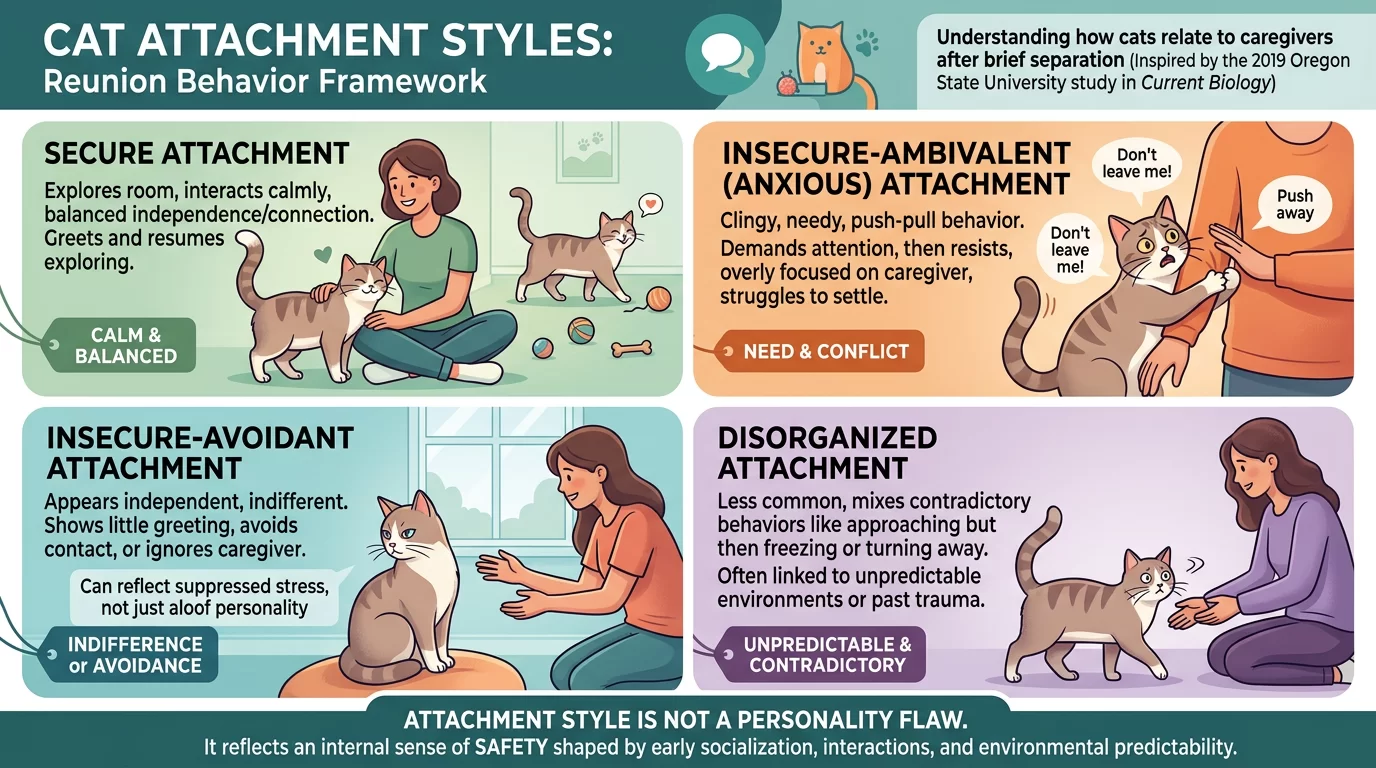
Here are the main styles researchers identified:
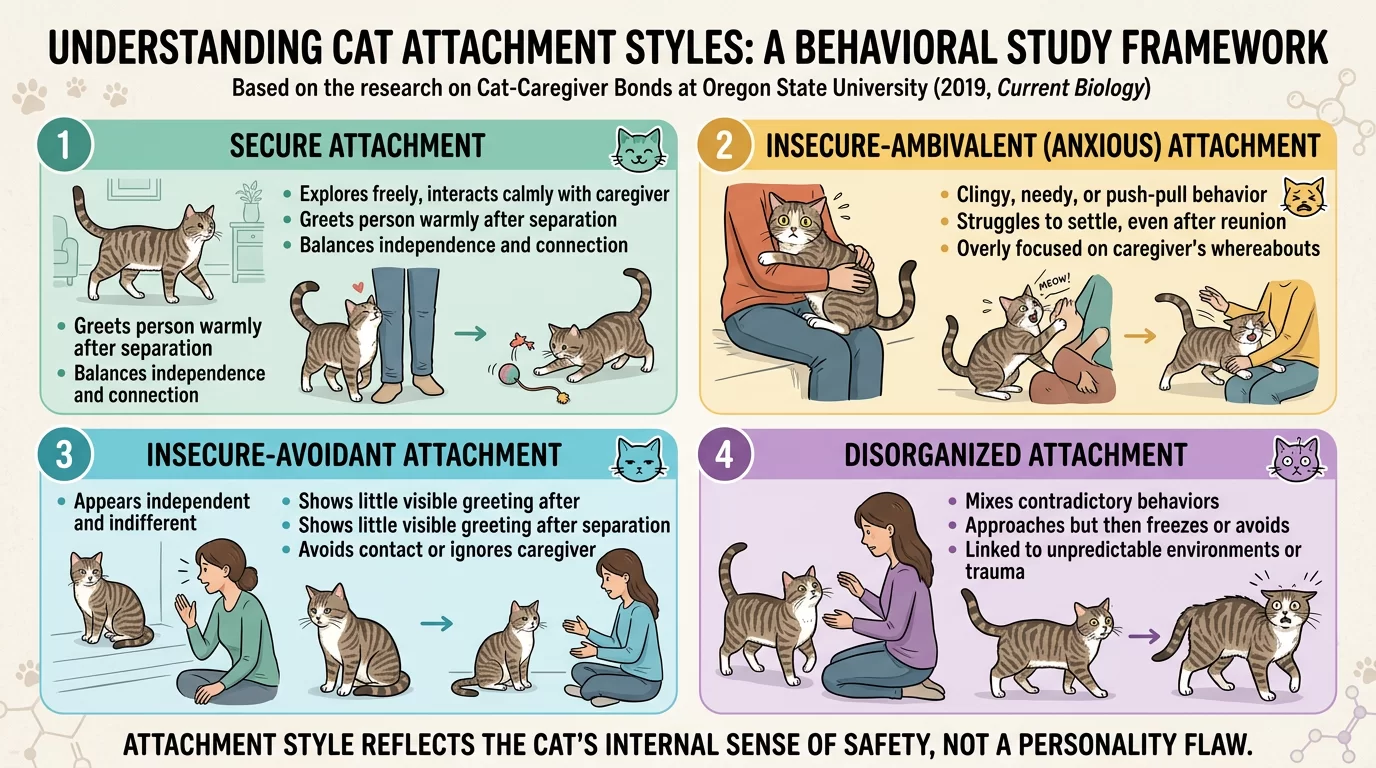
- Secure attachment: The cat explores the room, interacts with the caregiver, and shows a calm balance between independence and connection. After a short separation, the cat greets the person and returns to exploring. This is the most common pattern in house cats.
- Insecure-ambivalent (or anxious) attachment: The cat shows clingy, needy, or push-pull behavior. They may demand attention, then resist it, or remain overly focused on the caregiver’s whereabouts, struggling to settle even after reunion.
- Insecure-avoidant attachment: The cat may appear independent to the point of indifference. They show little visible greeting, avoid contact, or ignore the caregiver after separation. This isn’t the same as a naturally aloof cat personality — it can reflect suppressed stress or a lack of reliance on the person for comfort.
- Disorganized attachment: Less commonly described in cats, this style mixes contradictory behaviors, like approaching but then freezing or suddenly turning away. It is often linked to unpredictable environments or past trauma.
It is important to know that attachment style is not a personality flaw. It reflects the cat’s internal sense of safety in the relationship, shaped by early socialization, daily interactions, and the predictability of the home environment.
Healthy Bond or Hidden Stress: How to Tell
Not all clingy behavior means anxiety, and not all independent behavior means an insecure bond. The key difference lies in whether the cat can use the caregiver as a base for relaxed, normal behavior — eating, playing, resting, and exploring — rather than staying in high alert or withdrawal.
This table can help you sort through what you’re seeing:
| Healthy bonded behavior | Behavior that may need attention |
|---|---|
| Your cat follows you but can still relax on their own. | Your cat seems unable to settle unless they are touching you or watching you. |
| Your cat greets you warmly, then goes back to a favorite perch. | Your cat vocalizes repeatedly, paces, or pants when you leave the room. |
| Your cat eats, drinks, and uses the litter box normally. | Your cat loses appetite, overeats, or has litter box accidents only when alone. |
| Your cat seeks affection but accepts when you’re busy. | Your cat demands constant contact and becomes distressed or destructive if denied. |
| Your cat hides occasionally but comes out for food and interaction. | Your cat hides most of the day, flinches at normal sounds, or overgrooms to the point of fur loss. |
| Your cat adjusts to a new person or schedule within a few days. | Your cat remains withdrawn or on edge for weeks after a minor change. |
Understanding this difference is critical because secure attachment isn’t about a cat being stuck to your side. It’s about the cat feeling safe enough to be curious, to play, and to rest deeply even when you aren’t in the same room.
Signs Your Cat Feels Securely Attached to You
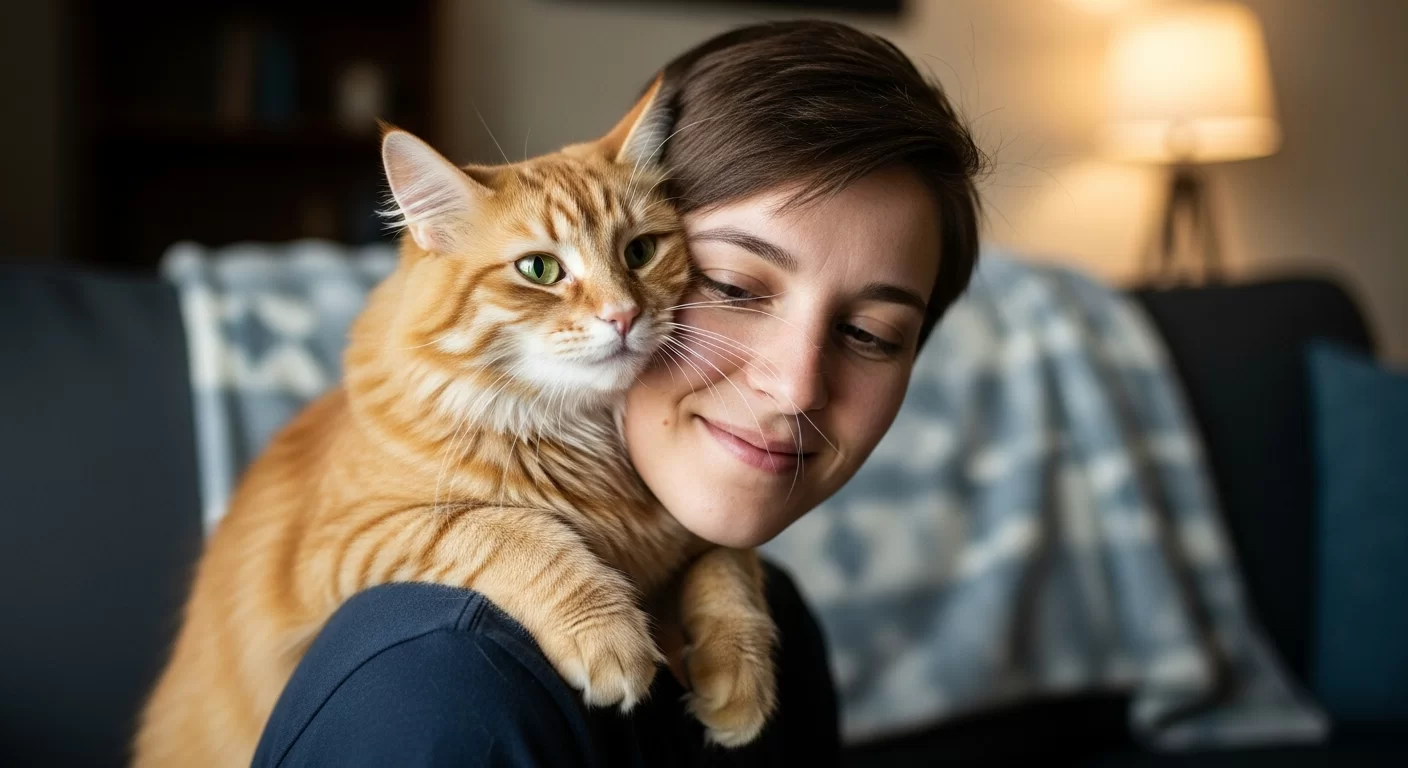
- They greet you with an upright tail and relaxed body language. The tail-up approach is a friendly signal. A secure cat may chirp, rub against your legs, or simply walk over to check in.
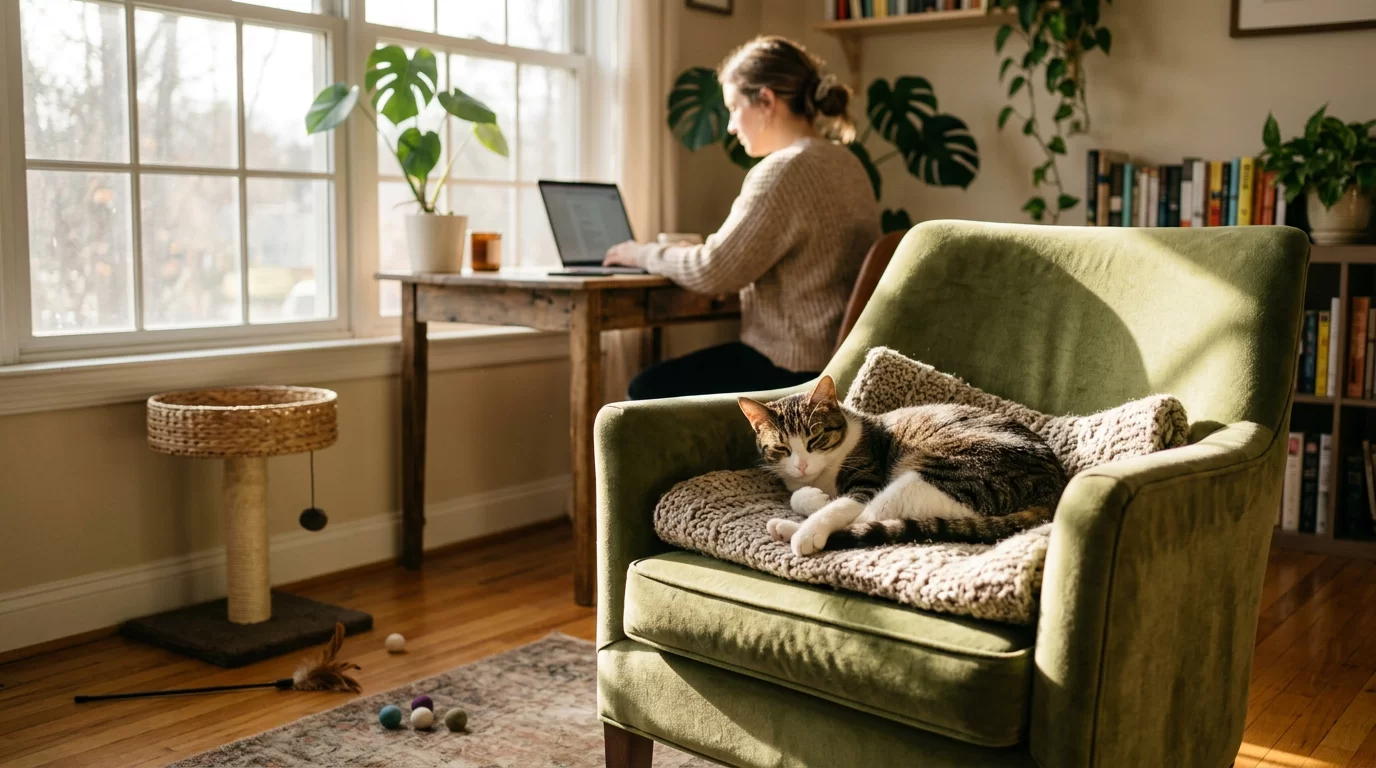
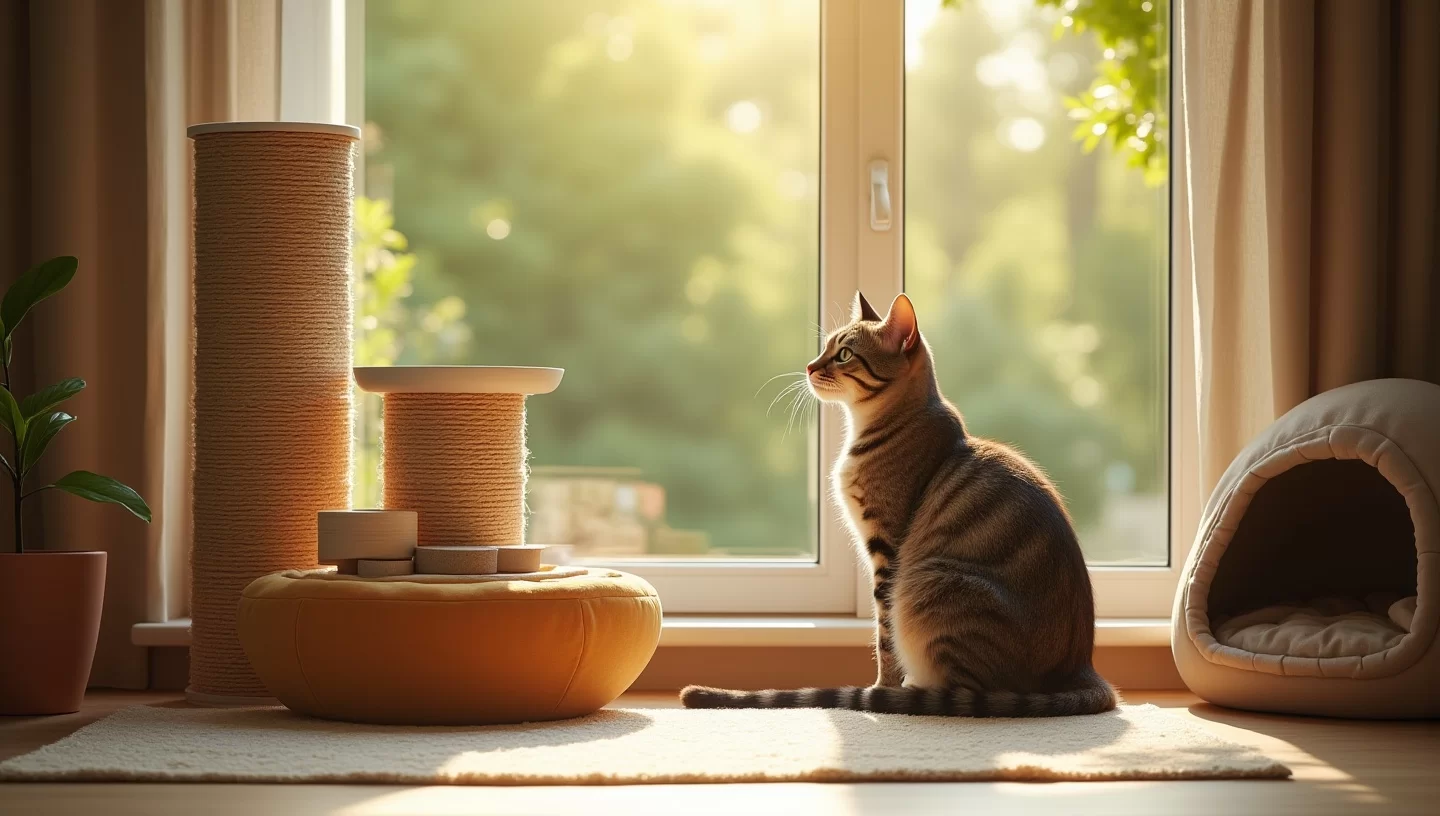
- They explore their environment with confidence when you’re nearby. If your cat sniffs new objects, watches birds, or moves around without startling easily while you’re in the room, that’s a sign of feeling safe.
- They blink slowly at you and turn their back. The cat slow blink is a recognized relaxation signal. Turning their back or showing you a vulnerable body part signals trust, not rejection.
- They bring you “gifts” like toys (or less welcome offerings). Bringing objects can be a social behavior rooted in the bond, not just instinct. It often reflects you being part of their core social group.
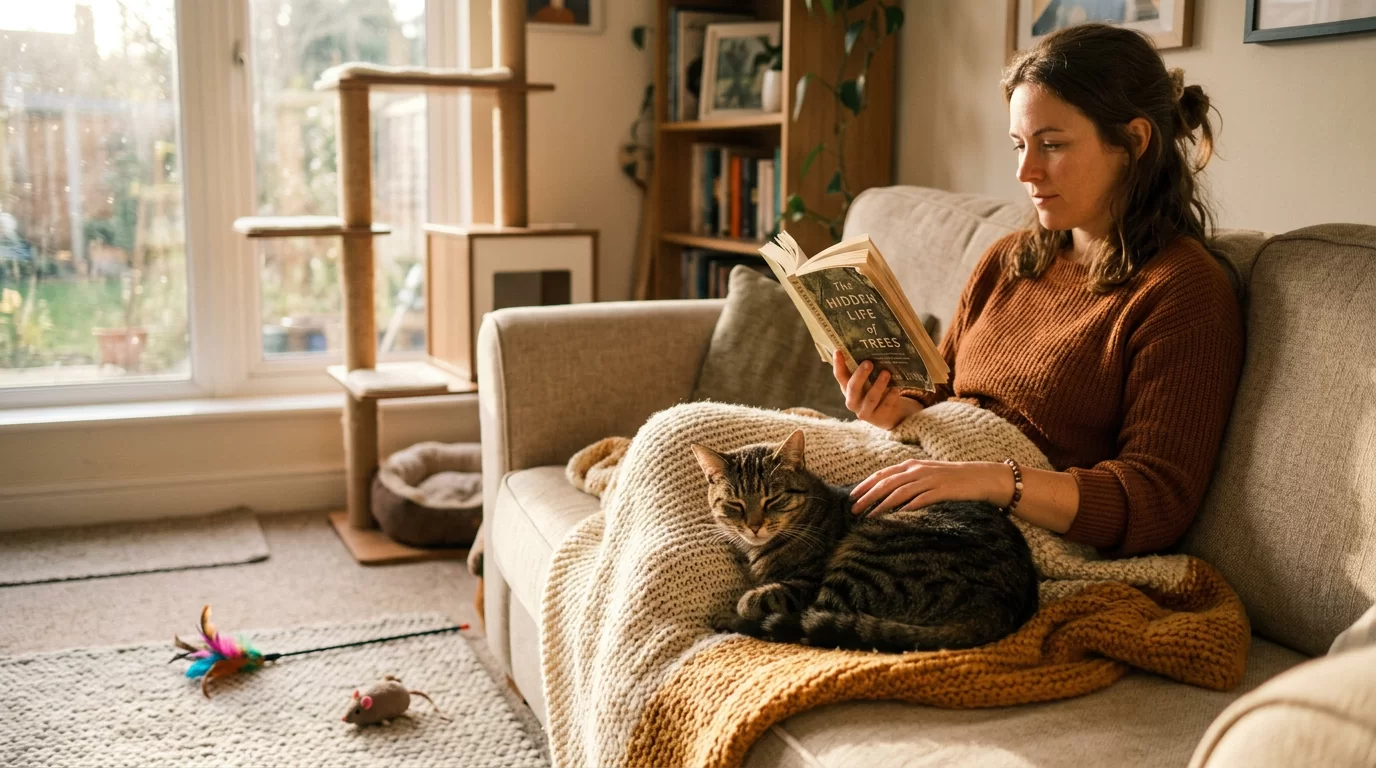
- They sleep deeply in your presence. Cats in unfamiliar or anxious environments often sleep lightly. A cat who sprawls, snores, or twitches in REM sleep while you’re nearby is showing a high level of security.
- They accept handling on their terms but don’t panic if you miss a cue. A securely attached cat may still not love belly rubs, but they’ll give clear signals and trust you to back off — without getting aggressive or fearful.
- They seek comfort from you after a scary event. If a loud noise or visitor startles them and they run toward you or quickly recover near you, that’s a sign they use you as a safe base.
- They play independently and with you. A secure cat alternates between solo play and interactive games. They don’t need you to be the constant source of entertainment.
- They eat without hesitation around you. Eating is a vulnerable activity. A cat who eats calmly in your presence, even with some background noise, is showing trust.
When the Behavior Deserves a Closer Look
Sometimes what looks like an attachment style shift is actually a cat telling you something is wrong. Physical illness, pain, cognitive changes in older cats, and environmental stress can all create behavior that mimics anxious or insecure attachment. The ASPCA notes that separation-related distress in cats can include excessive vocalization, urination outside the litter box, and destructive behavior — but these signs can also have medical roots.
Pay attention if you notice a sudden change. A cat who was once confident and now won’t leave your side, or a typically social cat who hides and refuses contact, is not just “becoming more attached” or “becoming more aloof.” This could point to:
- Pain or discomfort from dental disease, arthritis, or an injury.
- Thyroid issues, kidney disease, or other internal conditions that change behavior.
- Sensory decline, especially in older cats, causing insecurity and clinginess.
- A recent move, new pet, new baby, schedule disruption, or even heavy construction noise in the area.
- Lack of mental stimulation or environmental enrichment, leading to over-reliance on the owner for all engagement.
The Cornell Feline Health Center emphasizes that any marked change in eating, drinking, litter box habits, grooming, or social behavior warrants a veterinary checkup. Never assume behavior changes are purely emotional or attachment-related. A veterinarian can rule out medical causes before you focus on behavior modification.
Gentle Ways to Help Your Cat Feel Safe
Even if your cat tends toward an anxious attachment style, you can help them build greater security over time. The goal is not to eliminate affection or closeness, but to help the cat feel confident enough to choose calm independence when it’s right for them.
- Keep daily rhythms predictable. Feeding, play, and quiet time at roughly the same times each day help an anxious cat’s nervous system settle. Predictability builds security.
- Create vertical and hiding zones. Cat trees, window perches, and open-shelving hideaways give cats safe observation spots. They don’t have to be on you to feel safe; they just need secure territory.
- Use interactive play, not just cuddles. Wand toys and puzzle feeders let you bond through instinctive behavior. Short, successful play sessions build confidence and reduce hyper-attachment born from boredom.
- Reward calm alone time. If your cat settles on a perch or bed while you’re across the room, quietly place a small treat nearby. You’re reinforcing the idea that being comfortable apart is positive.
- Don’t punish clinginess or shove them away. Gently redirect to a soft bed or puzzle toy instead. Punishment increases anxiety and can make attachment problems worse.
- Introduce changes gradually. If you must travel, change schedules, or bring in a new person or pet, build up exposure in small, positive steps. A sudden shift can trigger insecure behavior in a cat who was previously secure.
- Work with a professional when needed. If your cat’s anxious, avoidant, or clingy behavior is disrupting their quality of life — or yours — a certified feline behavior consultant or veterinary behaviorist can design a plan that fits your specific situation.
The 2019 Oregon State University study on cat attachment reminds us of something important: cats are socially flexible, and their attachment styles can be influenced by the quality of the relationship over time. Even a cat with insecure patterns can build more security in a calm, responsive home.
If your cat is eating well, using the litter box normally, seeking affection without panic, and able to settle on their own, their attachment is likely part of a healthy bond. Keep supporting that bond with patience, gentle play, and predictable care. If clinginess appears suddenly, or if you notice appetite changes, weight loss, hiding, overgrooming, or litter box problems, don’t wait — schedule a veterinary visit. Behavior is one of the clearest ways cats communicate, and paying attention to attachment patterns is a way of listening more closely to what they need.