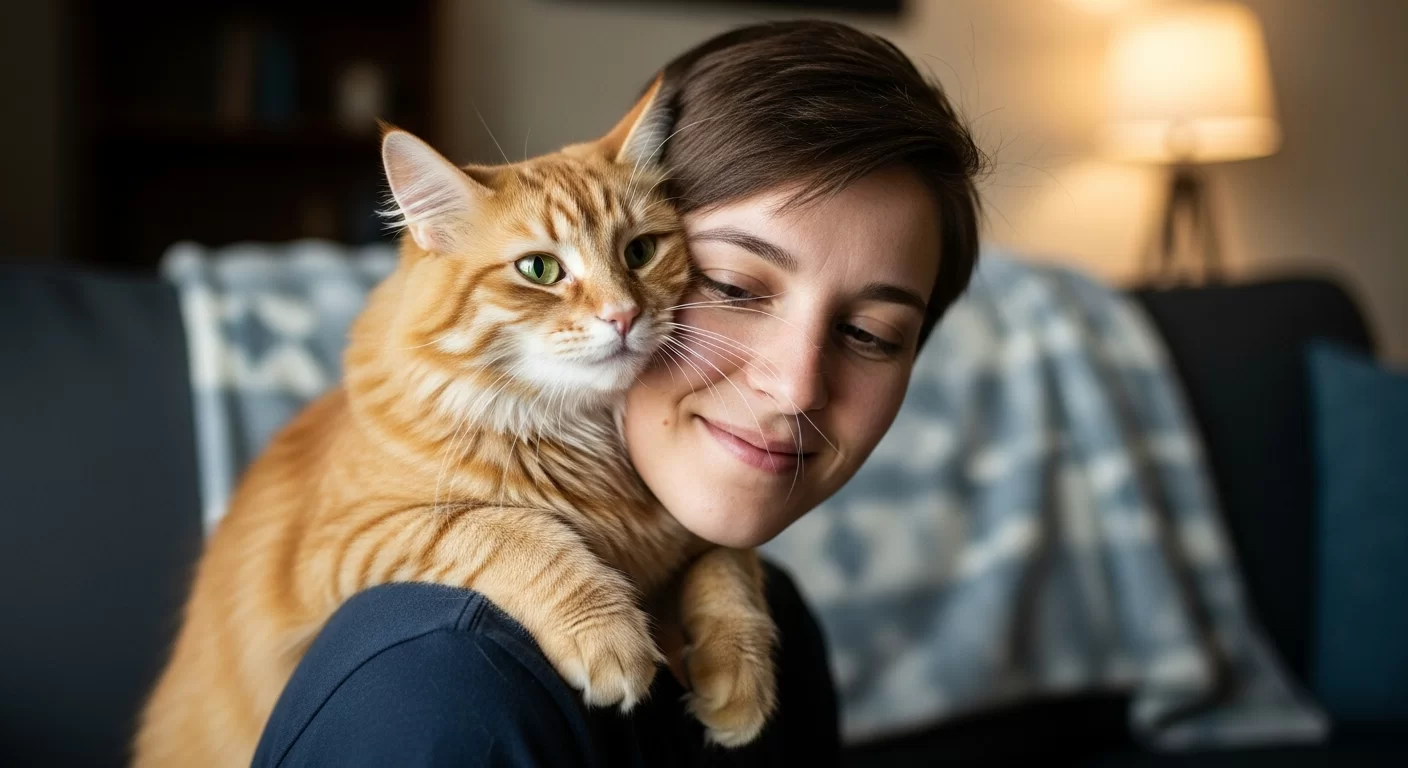
Many cat owners cherish the bond they share with their feline companions. That warm feeling when a cat curls up on a lap or greets them at the door reinforces a deep mutual connection. But sometimes, that devotion crosses a line. A cat that shadows every step, cries when left alone, or refuses to eat unless the owner is present may be experiencing more than simple affection. Understanding the difference between a securely attached cat and an over-attached one matters for the animal’s well-being. Excessive dependence can lead to stress, behavioral issues, and even health problems. With more people working from home and spending extended time with their pets, cases of hyperattachment have become more common. Recognizing the signs early allows owners to take steps that keep the relationship loving—without making either party miserable.
In This Article
• What Does Healthy Cat Attachment Look Like?
• Signs of Over-Attachment in Cats
• What Causes a Cat to Become Overly Attached?
• When Over-Attachment Becomes a Problem
• How to Help an Overly Attached Cat
• When to Consult a Veterinarian or Behaviorist
What Does Healthy Cat Attachment Look Like?
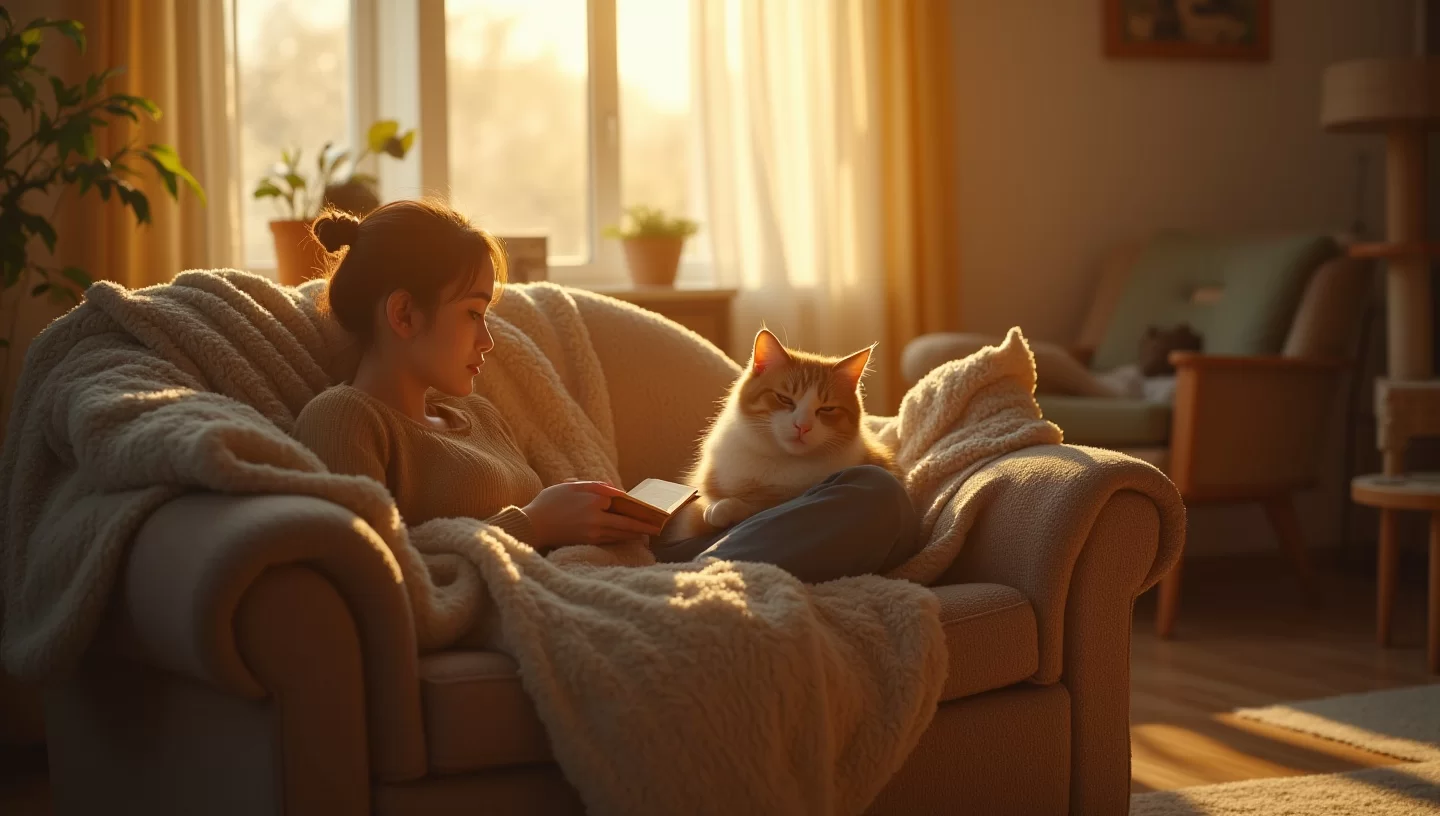
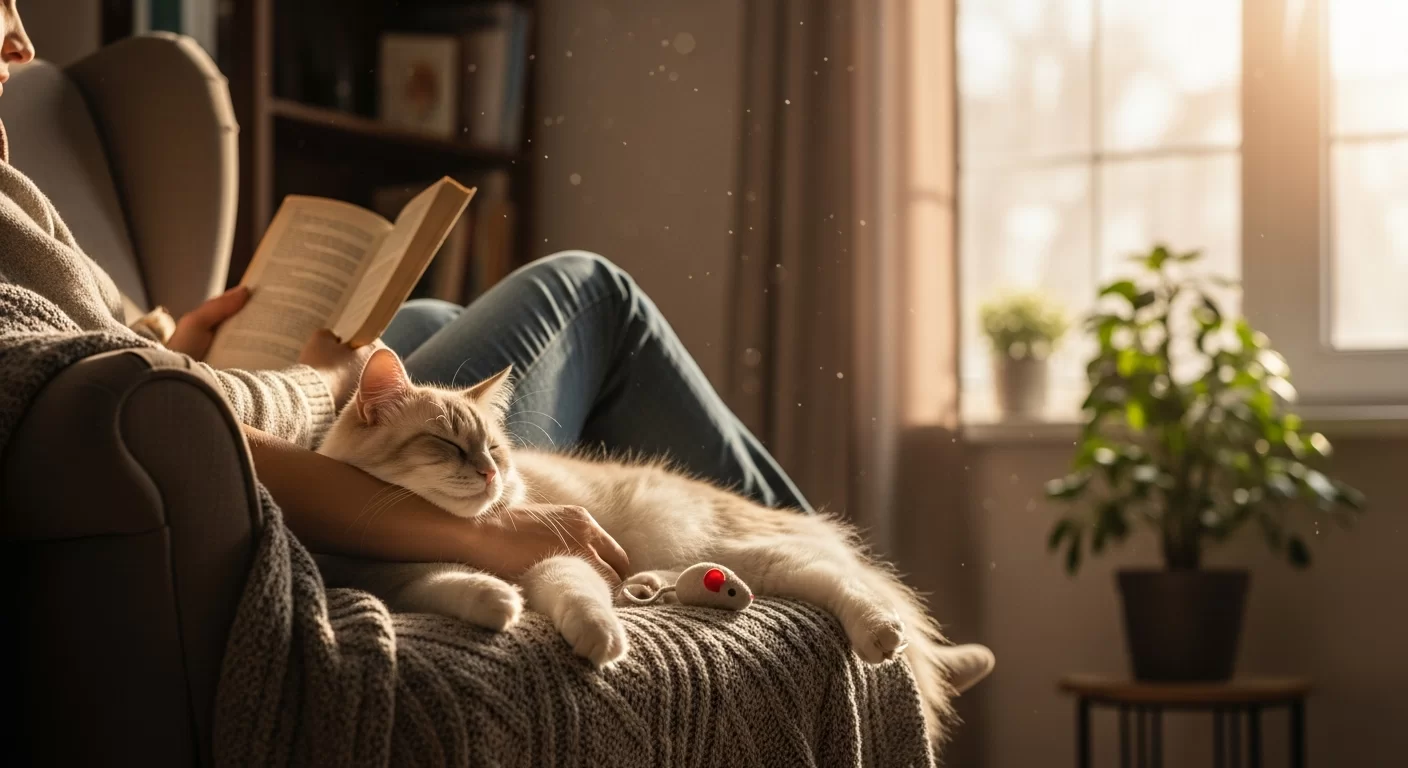
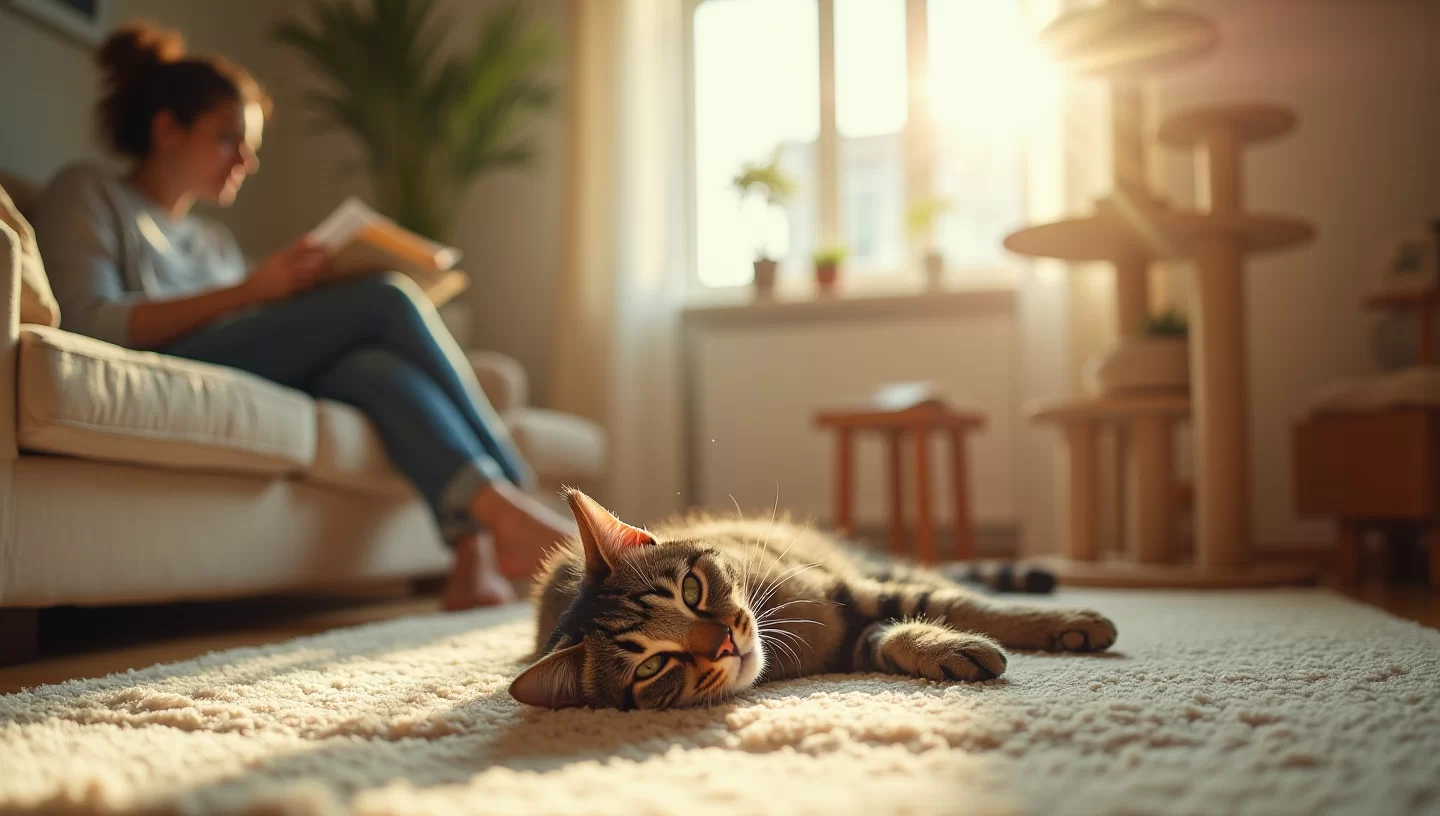
A securely attached cat feels safe with its owner but maintains independence. This cat may follow the owner from room to room occasionally, but also enjoys solo napping in a sunny spot or playing alone with a toy. It greets the owner at the door with a relaxed tail and a soft meow, then wanders off to continue its day. When left alone, a healthy cat eats normally, uses the litter box, and engages with enrichment toys or window watching. The cat can tolerate short separations without distress and returns to the owner for affection on its own terms.
Attachment in cats is not a one-size-fits-all concept. Research conducted by animal behaviorists at Oregon State University found that about 65% of cats form a secure attachment to their owners—similar to the pattern seen in human infants and dogs. The remaining 35% display insecure attachment, which can manifest as ambivalence, avoidance, or clinginess. This study, published in Current Biology in 2019, helps explain why some cats seem overly dependent while others appear aloof.
Signs of Over-Attachment in Cats
Over-attached cats show behaviors that go beyond normal companionship. These signs typically involve persistent distress when the owner is absent or attempts to separate. Common indicators include:
- Constant following: The cat trails the owner from room to room, even to the bathroom, and appears distressed if a door closes.
- Vocalization: Excessive meowing, yowling, or crying when the owner is out of sight or preparing to leave.
- Destructive behavior: Scratching doors, howling, or eliminating outside the litter box specifically when the owner is away (often a sign of separation anxiety).
- Refusal to eat alone: The cat will only eat when the owner is present or hand-fed.
- Excessive grooming: Over-licking paws or fur to the point of baldness, sometimes triggered by the stress of anticipated separation.
- Pacing or restlessness: Circling, pacing, or appearing unable to settle without the owner nearby.
- Withdrawal from other activities: Loss of interest in toys, other pets, or normal exploration.
A helpful comparison:
| Normal Attachment | Over-Attachment |
|---|---|
| Follows occasionally, can be left alone for hours without distress | Follows constantly, panics when left alone even briefly |
| Greets owner then returns to own activities | Greets owner and remains glued, won't engage in independent play |
| Eats reliably whether owner is home or away | Refuses food or only eats with owner present |
| Tolerates short separations calmly | Vocalizes, destroys property, or eliminates inappropriately when separated |
What Causes a Cat to Become Overly Attached?
Changes in household routine also trigger clinginess. A cat that suddenly has more owner time—such as during a remote work shift, retirement, or after a move—can become accustomed to constant attention. When that attention becomes less available, the cat may react with anxiety. Similarly, the loss of another pet or a family member can cause a cat to cling to the remaining owner as a source of security.
Breed predispositions exist as well. Siamese, Burmese, and other Oriental breeds are known for forming intense bonds and may be more prone to over-attachment. However, any cat can develop these behaviors if the environment supports them.
Medical issues sometimes masquerade as attachment problems. Hyperthyroidism, pain from arthritis, vision or hearing loss, and cognitive dysfunction in older cats can cause increased vocalization and following. Ruling out physical causes is an essential first step.
When Over-Attachment Becomes a Problem
Over-attachment becomes a problem when it interferes with the cat’s quality of life or the owner’s daily functioning. A cat that cannot be left alone for work or errands may develop separation anxiety, which can lead to stress-related illnesses such as feline idiopathic cystitis (FIC), chronic gastrointestinal upset, or compulsive disorders like overgrooming.
For the owner, an overly attached cat can create guilt, frustration, or even limit lifestyle choices. Owners may avoid leaving the house, change travel plans, or feel anxious about their cat’s distress. This dynamic is not healthy for either party.
Severe cases may require intervention. The ASPCA notes that separation anxiety in cats is real and treatable, but it often goes unrecognized because the signs are mistaken for simple clinginess. Without treatment, the problem can escalate. Cats have been known to injure themselves trying to escape confinement when left alone, or to stop eating and drinking entirely.
How to Help an Overly Attached Cat
Start by creating a predictable routine. Feed, play, and provide attention at the same times each day. Predictability reduces anxiety because the cat learns when to expect interaction and when to expect alone time.
Encourage independent play. Provide puzzle feeders, treat-dispensing toys, or automated laser toys that engage the cat without requiring human presence. Rotate toys to maintain novelty. Cat trees, window perches, and safe outdoor access (via a catio) also help.
Practice short departures. Leave the house for five minutes, then return without making a fuss. Gradually increase the duration over days and weeks. Use a calming aid like a synthetic pheromone diffuser (Feliway) in the room where the cat stays. Some cats respond well to calming treats or supplements containing L-theanine or chamomile, but consult a veterinarian first.
Do not reinforce anxious behavior. If the cat cries, wait for a moment of quiet before giving attention. Rewarding clingy behavior with cuddles can reinforce the cycle. Instead, offer affection when the cat is calm and independent.
Create a safe space. Designate a room with the cat’s bed, litter box, food, water, and enrichment. During departures, leave a piece of worn clothing with the owner’s scent. White noise or classical music can mask outside sounds and provide comfort.
When to Consult a Veterinarian or Behaviorist
If the over-attachment persists despite consistent efforts, or if the cat shows signs of self-harm, aggression, or severe distress, professional help is warranted. A veterinarian should first rule out medical causes, especially in older cats. Blood work, thyroid testing, and a physical exam can identify underlying conditions.
If the cat is medically healthy, a board-certified veterinary behaviorist (DACVB) or a certified cat behavior consultant can design a tailored behavior modification plan. In some cases, anti-anxiety medications such as fluoxetine or clomipramine may be prescribed for short-term or long-term use. These medications are not a cure but can make behavior modification more effective.
Online resources like the American College of Veterinary Behaviorists (ACVB) and the International Association of Animal Behavior Consultants (IAABC) provide directories to find qualified professionals.
Cats are wonderfully complex creatures, and a strong bond with their owner is something to celebrate. When that bond tips into distress, it is a sign that the cat needs help, not a reflection of a failing relationship. With the right approach, a cat can learn to feel secure even when alone, allowing both owner and pet to enjoy a deeper, more balanced connection—one that honors the cat’s nature while respecting the realities of human life.