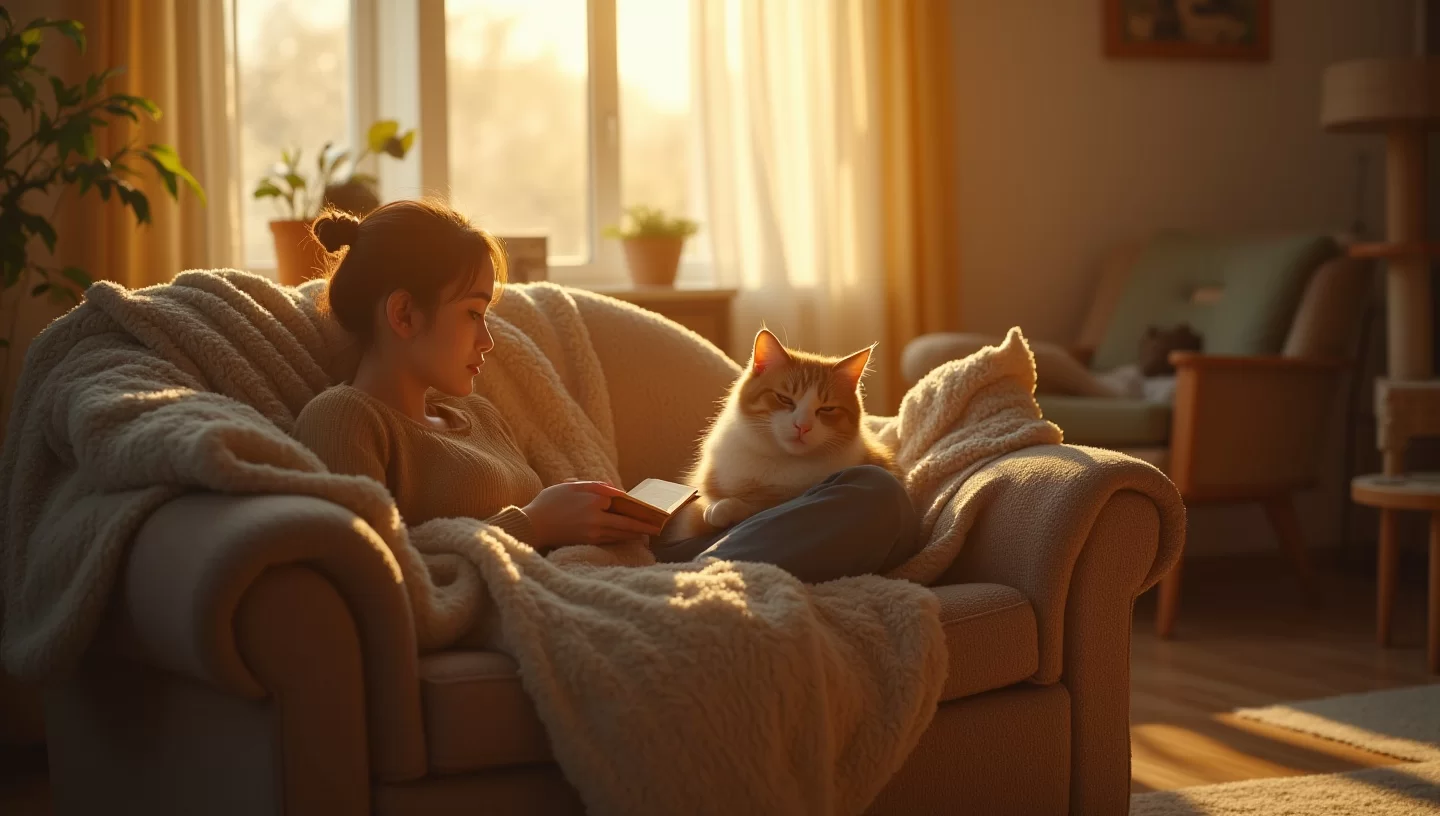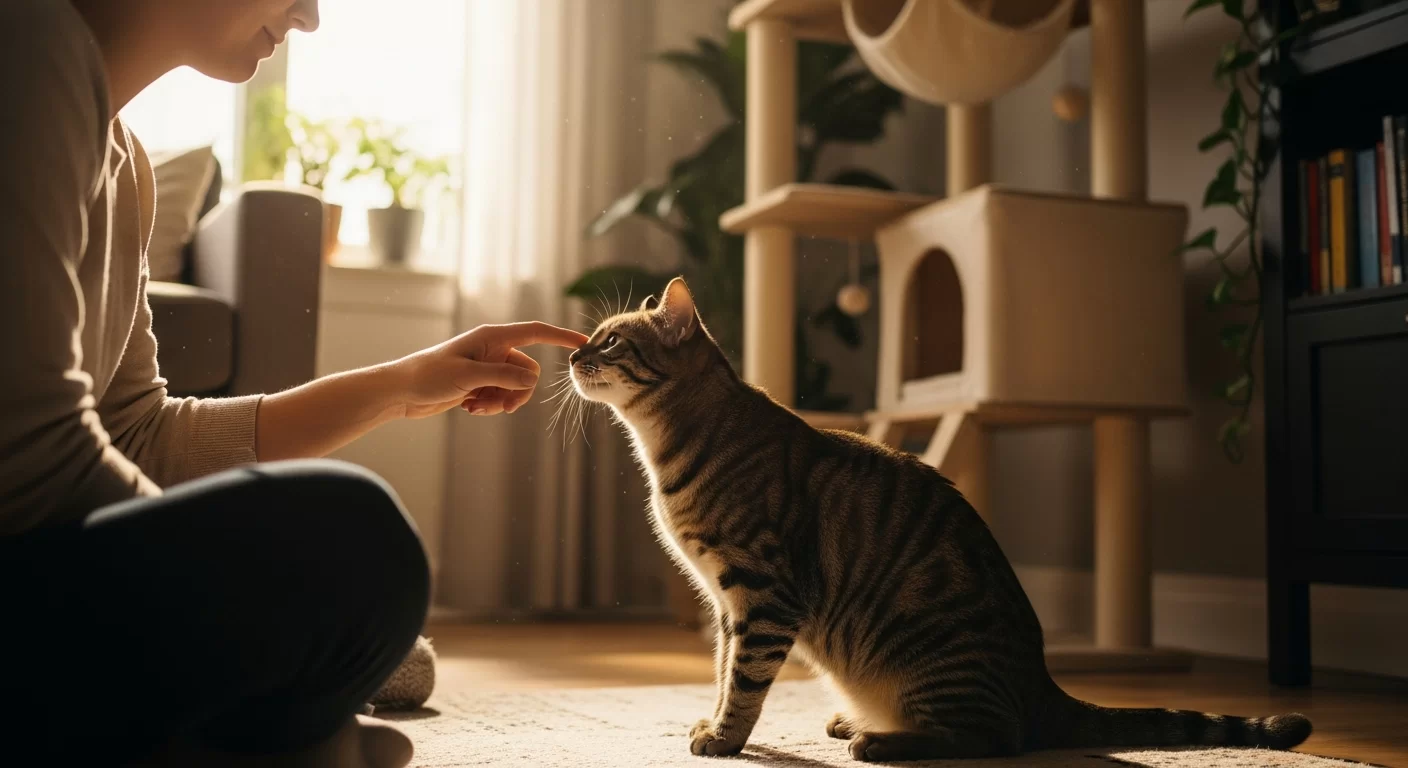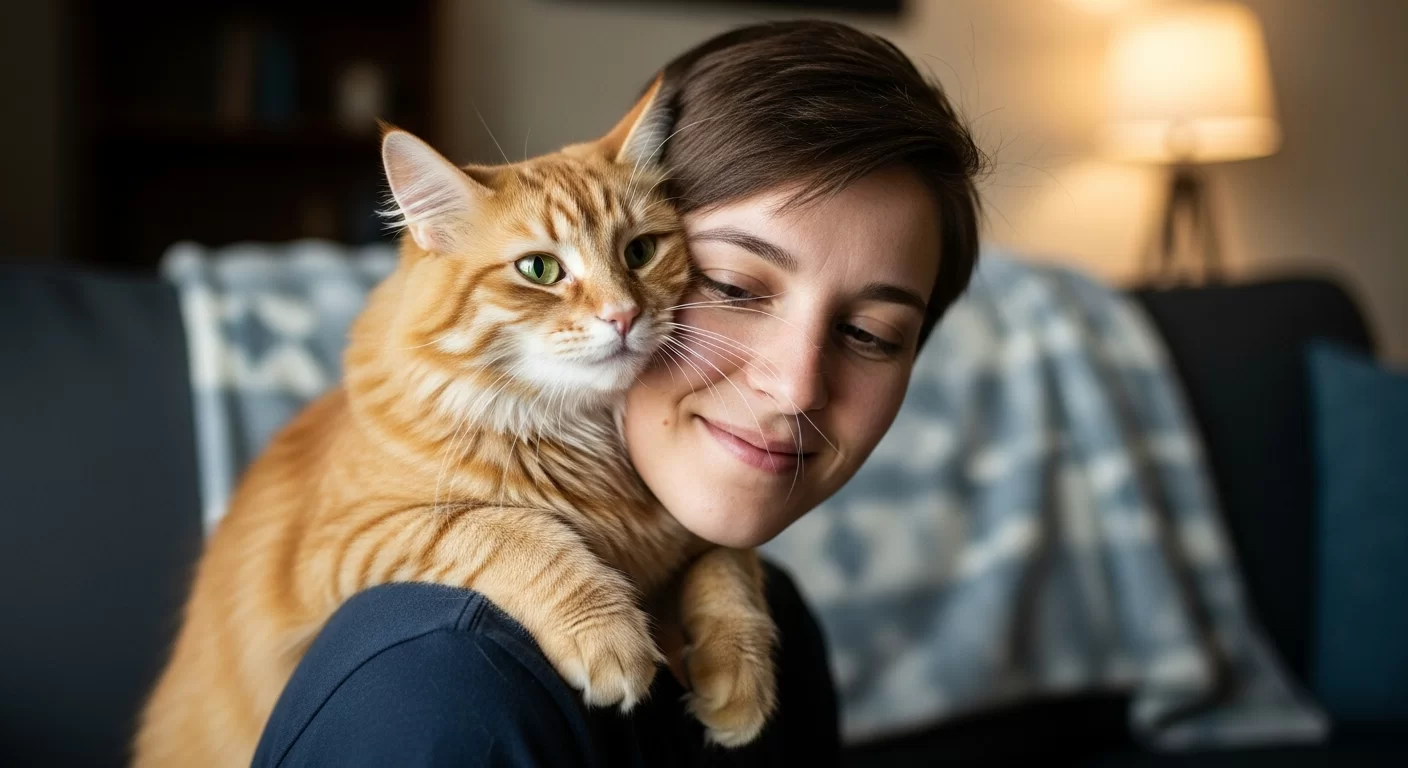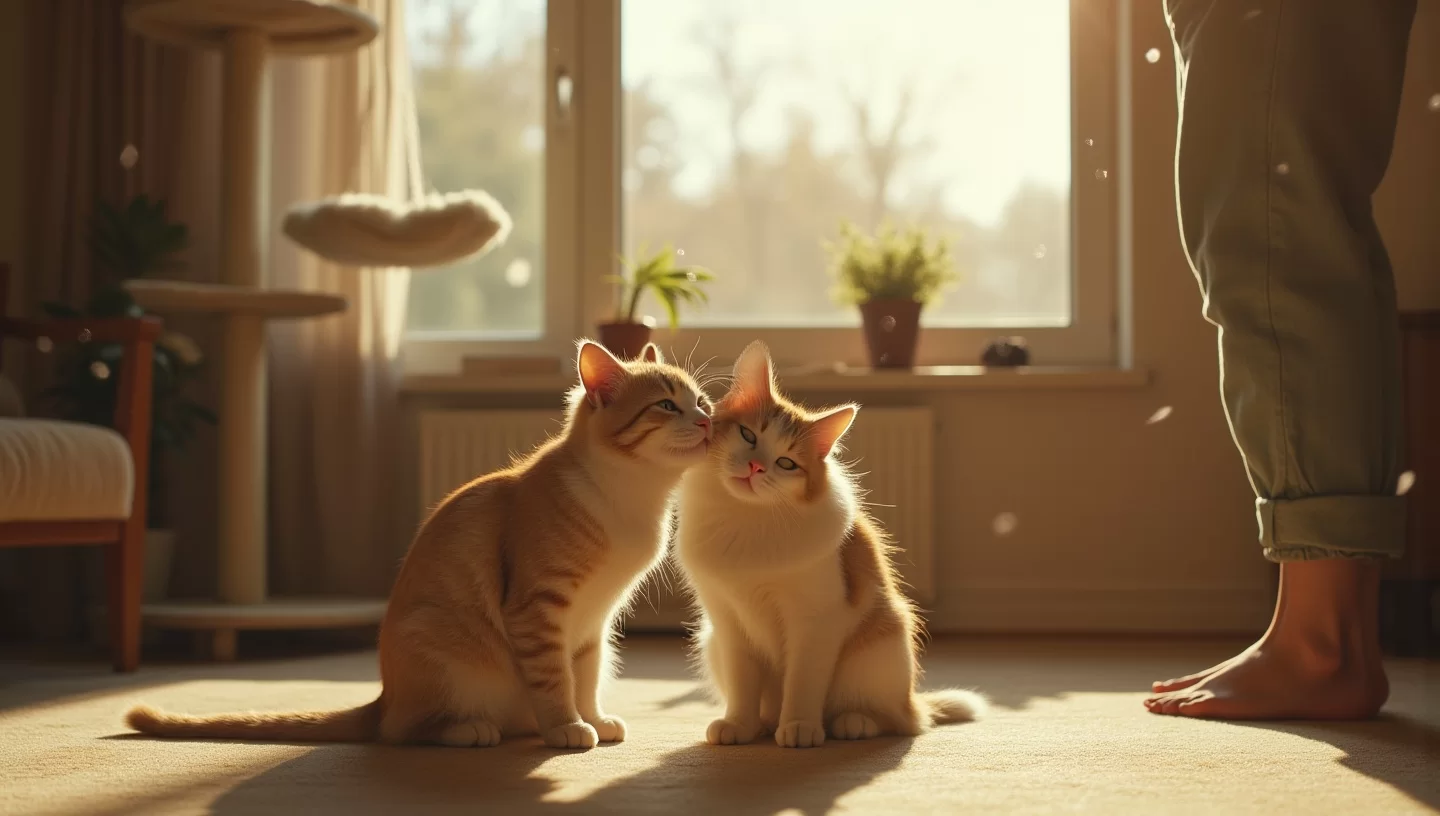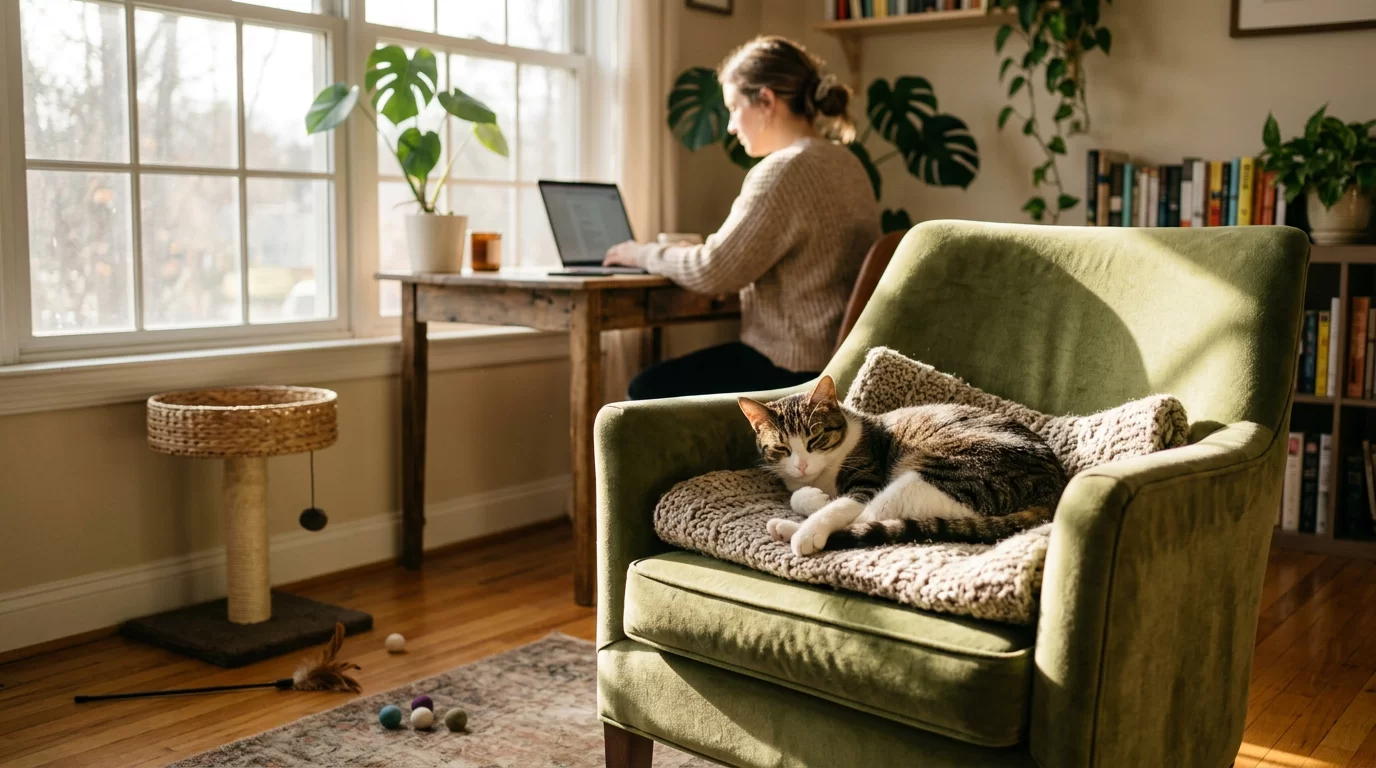
Cats that follow their owners from room to room, sleep on their laps, and greet them at the door are often described as affectionate. But when the same behaviors include pacing, excessive meowing when left alone, or refusal to eat unless the owner is present, the line between loving devotion and anxious dependence blurs. Many cat owners struggle to distinguish a truly affectionate cat from one that is clingy due to stress, insecurity, or even an underlying health condition. Misreading these signals can lead to reinforcing unwanted behaviors or missing a medical problem. Understanding the difference matters not only for the cat’s well‑being but also for the owner’s peace of mind.
In This Article
- Why “Clingy” and “Affectionate” Are Often Confused
- The Quickest Way to Tell If a Cat Is Being Affectionate or Clingy
- Behavioral Signs That Point to Genuine Affection
- Behavioral Signs That Point to Clinginess or Insecurity
- How a Cat’s History and Personality Influence Attachment Style
- When Clinginess Signals an Underlying Health Issue
- What to Do If Your Cat’s Clinginess Is Causing Problems
- How to Nurture Healthy Affection Without Encouraging Dependence
Why “Clingy” and “Affectionate” Are Often Confused
The same physical actions—purring, rubbing, kneading, following—can be signs of either secure affection or anxious attachment. Cats are subtle communicators, and owners naturally project human emotions onto feline behavior. A cat that constantly seeks lap time may simply enjoy warmth and companionship, or it may be trying to self‑soothe because it feels unsafe when alone. The confusion deepens because many cats become more demonstrative with age, after a move, or when the owner’s schedule changes. What looks like love could be a cry for security. Recognizing the difference requires looking beyond the surface behavior and evaluating context, frequency, and the cat’s emotional state when not receiving attention.
The Quickest Way to Tell If a Cat Is Being Affectionate or Clingy
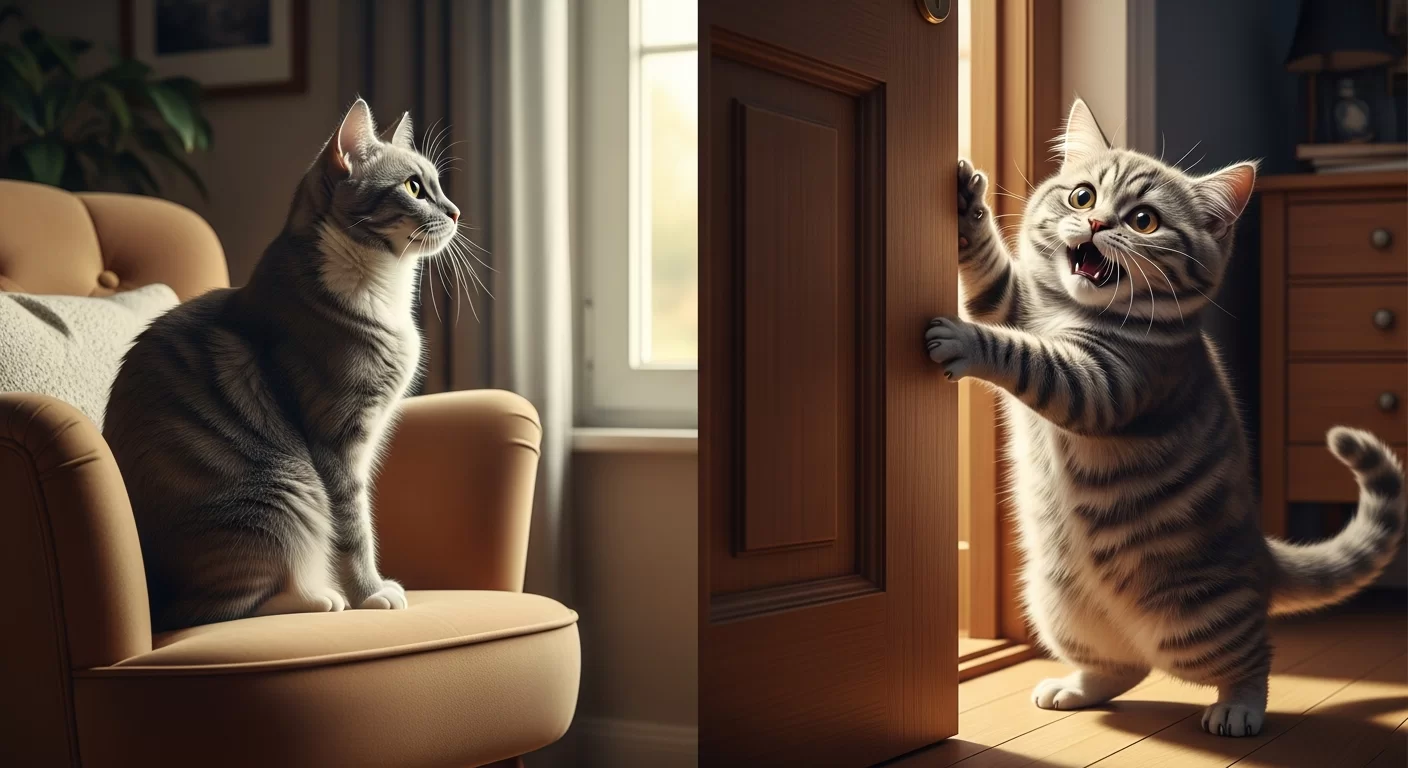
Affectionate cats seek interaction but also tolerate independence, while clingy cats show signs of distress when the owner leaves or when attention is withdrawn. A simple test is to deliberately leave the room for a few minutes and observe the cat’s reaction. An affectionate cat may wait calmly or go about its own activities. A clingy cat may cry, scratch at the door, pace, or stop playing. Another clue is whether the cat accepts attention from other household members or only fixates on one person. If the behavior is selective and the cat remains relaxed when given space, it is likely affectionate. If the cat appears panicked or desperate, clinginess is a more accurate label.
Behavioral Signs That Point to Genuine Affection
Genuine affection in cats is typically voluntary, reciprocal, and context‑appropriate. A cat that approaches for petting, purrs, kneads, and then walks away without distress is showing trust, not neediness. Affectionate cats often display slow blinks, head bunting, and tail quivers—behaviors that release oxytocin and strengthen the human‑cat bond. They may sleep near the owner but not necessarily on top of them, and they are willing to engage in play or exploration independently. The key is flexibility: the cat can enjoy closeness but does not require it to feel safe. According to the American Association of Feline Practitioners (AAFP), such behaviors indicate a secure attachment, which is associated with lower stress hormone levels in cats.
| Behavior | Affectionate Cat | Clingy / Insecure Cat |
|---|---|---|
| Approach for petting | Voluntary, may leave after a few minutes | Persistent, follows the hand, demands more |
| Reaction to owner leaving | Calm, may watch but not vocalize | Excessive meowing, door scratching, destructive behavior |
| Sleeping location | Near owner, but also in other preferred spots | On owner’s body, cries if moved |
| Play independence | Self‑initiates play with toys | Rarely plays alone, only engages with owner present |
| Response to visitors | May greet or hide based on mood | Hides or clings to owner, shows no interest in others |
| Eating behavior | Eats normally when alone | Refuses food if owner is not in the room |
These differences are rarely black‑and‑white; a cat can show mixed signs. However, the overall pattern—particularly the cat’s ability to function without the owner—is the most reliable differentiator.
Behavioral Signs That Point to Clinginess or Insecurity
A clingy cat is fundamentally motivated by anxiety rather than affection. Common indicators include following the owner so closely that the cat risks being stepped on, vocalizing excessively when separated, and showing signs of distress such as panting, trembling, or over‑grooming when alone. Some clingy cats refuse to use the litter box unless the owner is nearby, or they become destructive when left alone. The key distinction is that the behavior intensifies when the owner is out of sight. Cornell Feline Health Center notes that separation‑related issues in cats are underdiagnosed but real, often manifesting as excessive vocalization or inappropriate elimination. A clingy cat may also be hypervigilant, startling at sounds and always positioning itself in a spot where it can see the owner.
Another red flag is possessive behavior—hissing at other pets or people who approach the owner. While a cat can be affectionate and territorial, true affection does not require guarding the owner. If the cat seems unable to relax unless touching the owner, and becomes agitated when the owner moves even a few feet away, the root cause is likely insecurity rather than love.
How a Cat’s History and Personality Influence Attachment Style
A cat’s early life experiences heavily shape whether it develops secure or anxious attachment. Kittens that are handled gently and consistently during the socialisation window (2–9 weeks) are more likely to grow into confident, affectionate adults. Those separated from their mother too early, orphaned, or exposed to trauma may develop clingy behaviors as a coping mechanism. The International Cat Care organization emphasizes that hand‑reared kittens often have difficulty regulating their emotions and may become overly reliant on humans.
Personality also plays a role. Some cats are naturally more “velcro” by temperament, especially breeds like Siamese, Burmese, and Ragdolls, which were selectively bred for human‑oriented behavior. In those breeds, constant company is a breed trait, not necessarily a sign of anxiety. Owners should consider the cat’s breed background and early history before labelling behavior as problematic. A pedigree cat that shadowed the owner since kittenhood is likely affectionate; a rescued cat that developed the same behaviour after a stressful event may need more support.
When Clinginess Signals an Underlying Health Issue
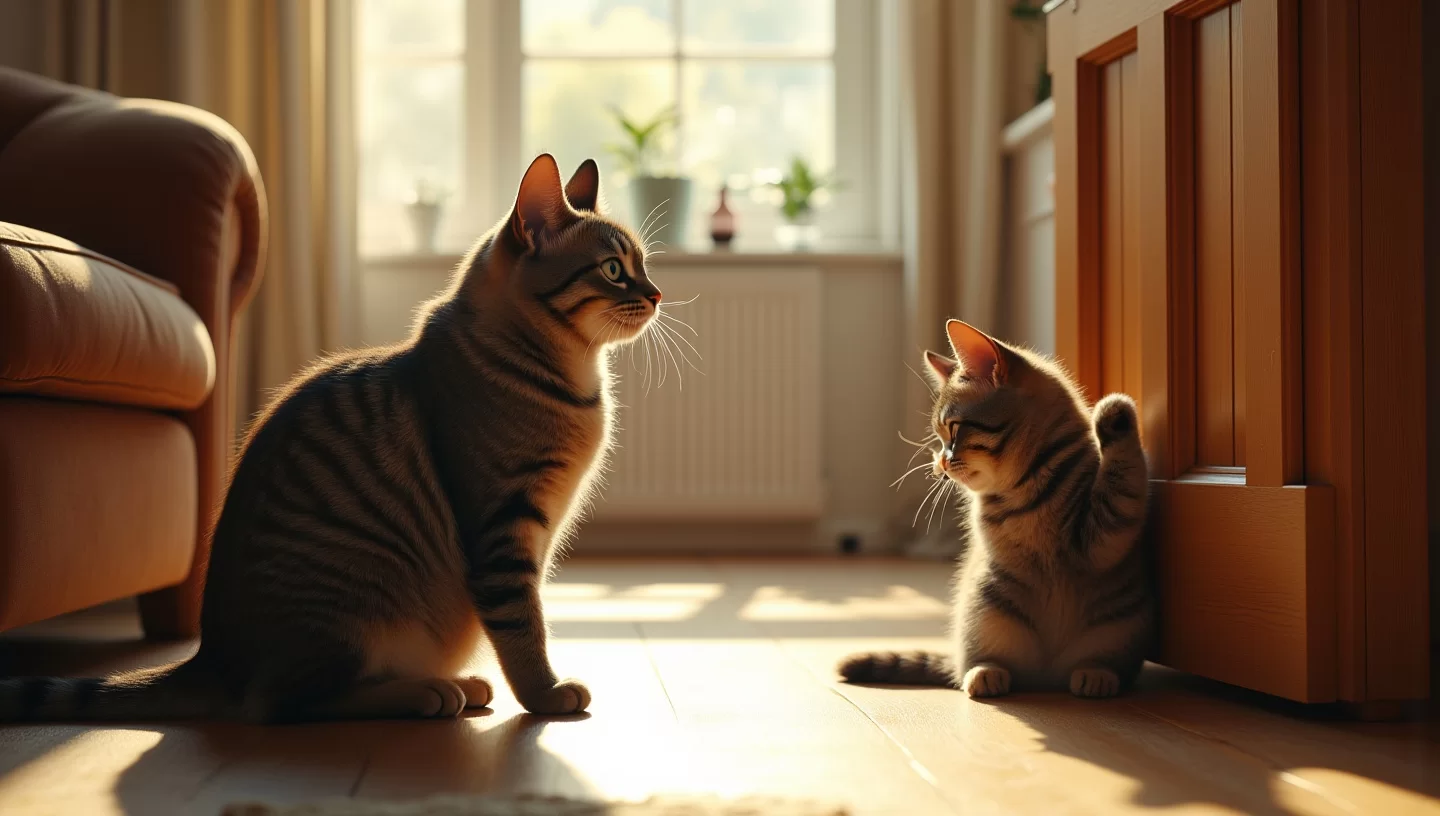
Additionally, medical conditions that cause hunger or thirst—such as diabetes or kidney disease—can lead to a cat that constantly circles the owner, not for affection but in hopes of food or water. A veterinarian can rule out these issues through blood work and a thorough assessment. Owners should note whether the clinginess is paired with other symptoms like weight loss, vomiting, increased vocalization, or stiffness. If so, health problems should be investigated before attributing the behavior to anxiety.
What to Do If Your Cat’s Clinginess Is Causing Problems
When a cat’s clingy behavior disrupts sleep, work, or household harmony, a structured approach is needed. First, ensure the cat’s environment is enriched: multiple perches, hiding spots, interactive toys, and a predictable daily routine reduce anxiety. Pheromone diffusers (e.g., Feliway) can help lower stress levels. Gradual desensitization to separation is the core treatment. Start by leaving the room for 30 seconds, then return while the cat remains calm. Slowly increase the duration over weeks, rewarding quiet independence with a treat.
For severe cases, consulting a veterinary behaviorist is recommended. A certified behaviorist (such as those listed by the American College of Veterinary Behaviorists) can design a custom plan that may include counter‑conditioning, environmental modifications, and, if necessary, medication. Owners should avoid punishing the cat for clinging, as this heightens anxiety. Instead, ignore attention‑seeking meowing and reward calm moments. Food puzzles and puzzle feeders can occupy the cat’s mind and encourage solo activity.
How to Nurture Healthy Affection Without Encouraging Dependence
Ensuring a cat feels secure while maintaining healthy boundaries involves intentional interaction. Set aside dedicated play and cuddle times each day so the cat knows it will get attention consistently. Before leaving the house, engage the cat in a vigorous play session followed by a small treat; this mimics a natural hunt‑eat‑sleep cycle and often leaves the cat content to rest while the owner is gone. Providing a comfortable, elevated bed near a window can give the cat a safe spot to watch the world without needing physical contact.
Owners should also avoid responding to every meow or nudge. If a cat demands attention when the owner is working, ignoring the behavior (no eye contact, no talking) and rewarding only quiet, independent moments teaches the cat that calmness pays off. The goal is not to reduce affection but to shift the cat from anxious dependence to confident closeness. A cat that feels secure in its environment and in its relationship with its owner will continue to show love—just without the desperate edge.
Every cat has its own language of love, and the difference between clinginess and affection often comes down to a single question: does the cat feel safe when the owner is not there? An affectionate cat enjoys companionship but remains self‑assured. A clingy cat needs the owner’s presence to regulate its own sense of safety. By observing the behaviour in context, considering the cat’s history and health, and responding with patience rather than frustration, owners can strengthen the bond while respecting the cat’s emotional needs. Whether the goal is to soothe an anxious feline or simply to understand a loving one, the effort pays back in trust and peace—for both human and cat.