Caring for a cat with chronic anxiety can feel like a full-time emotional labor. The constant pacing, midnight yowling, inappropriate elimination, or redirected aggression don't just wear on the cat—they wear on the person who loves them. Over time, the accumulated stress of managing a hypervigilant feline can morph into something deeper: caregiver burnout. This condition, well-documented among human healthcare providers and pet parents alike, leaves owners feeling exhausted, resentful, and sometimes even questioning their bond with the animal they adore. When a cat’s stress reaches a breaking point, the owner’s coping resources often break too. Recognizing this cycle and learning how to interrupt it is essential not only for the cat’s well-being but for the owner’s mental health.
In This Article
•The Hidden Toll of Caring for an Anxious Cat
•Recognizing Caregiver Burnout in Cat Owners
•Why Cat Anxiety Escalates—and What It Means for You
•When to Seek Professional Help for Your Cat’s Stress
•Practical Strategies to Break the Burnout Cycle
•Long-Term Self-Care While Supporting a Stressed Cat
The Hidden Toll of Caring for an Anxious Cat
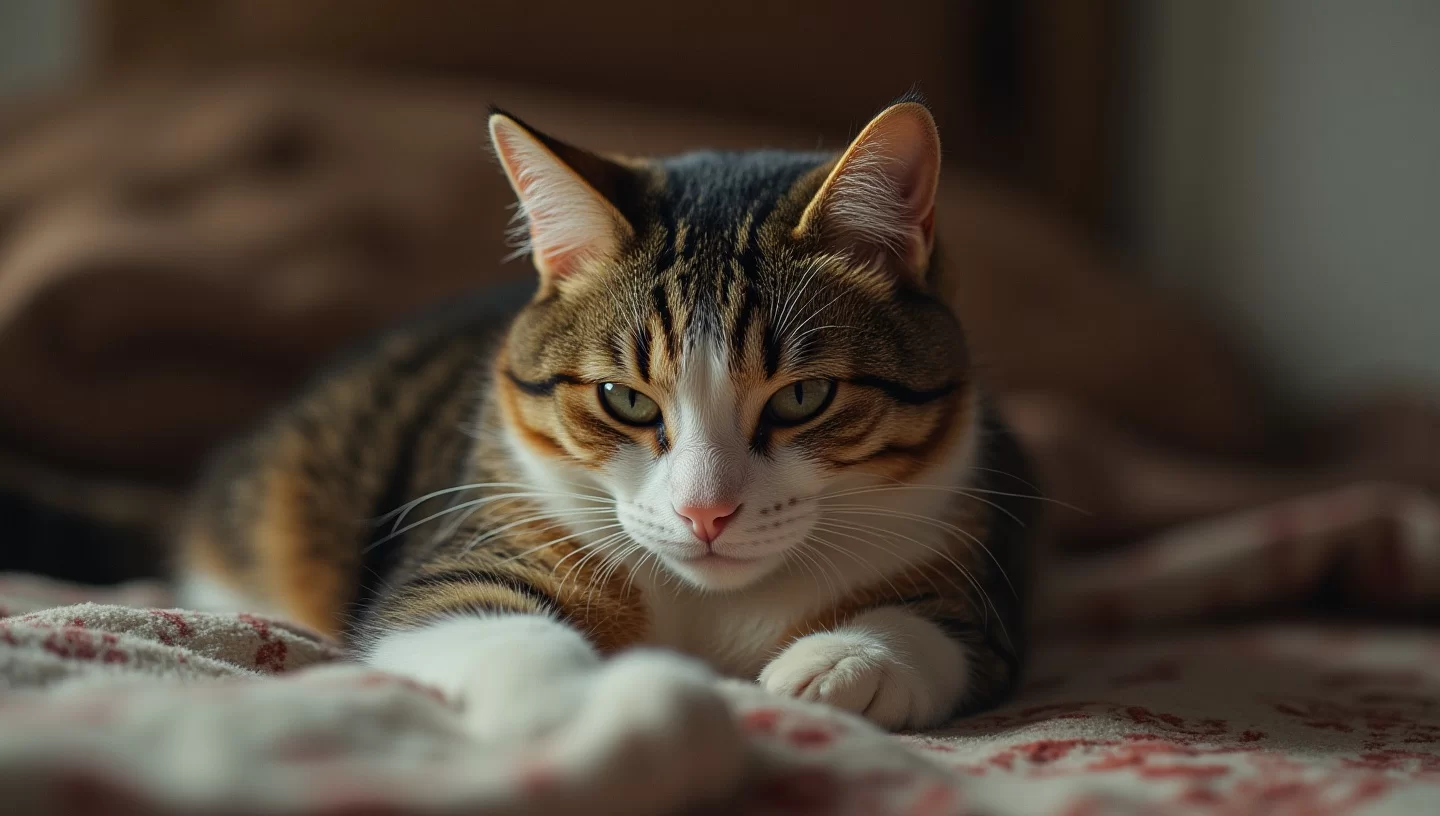
Caregiver burnout in the context of feline anxiety is often mistaken for simple frustration or a bad patch. But the reality is more layered. Owners of anxious cats routinely sacrifice sleep, redirect their own schedules around the cat’s triggers, and absorb the emotional fallout of a pet that cannot regulate its own nervous system. The American Veterinary Medical Association has noted that behavioral issues are among the top reasons cats are surrendered to shelters, and chronic anxiety is a major driver behind that statistic. The toll is not just emotional—it can also be financial, as repeated veterinary visits, behavior consultations, and environmental modifications add up.
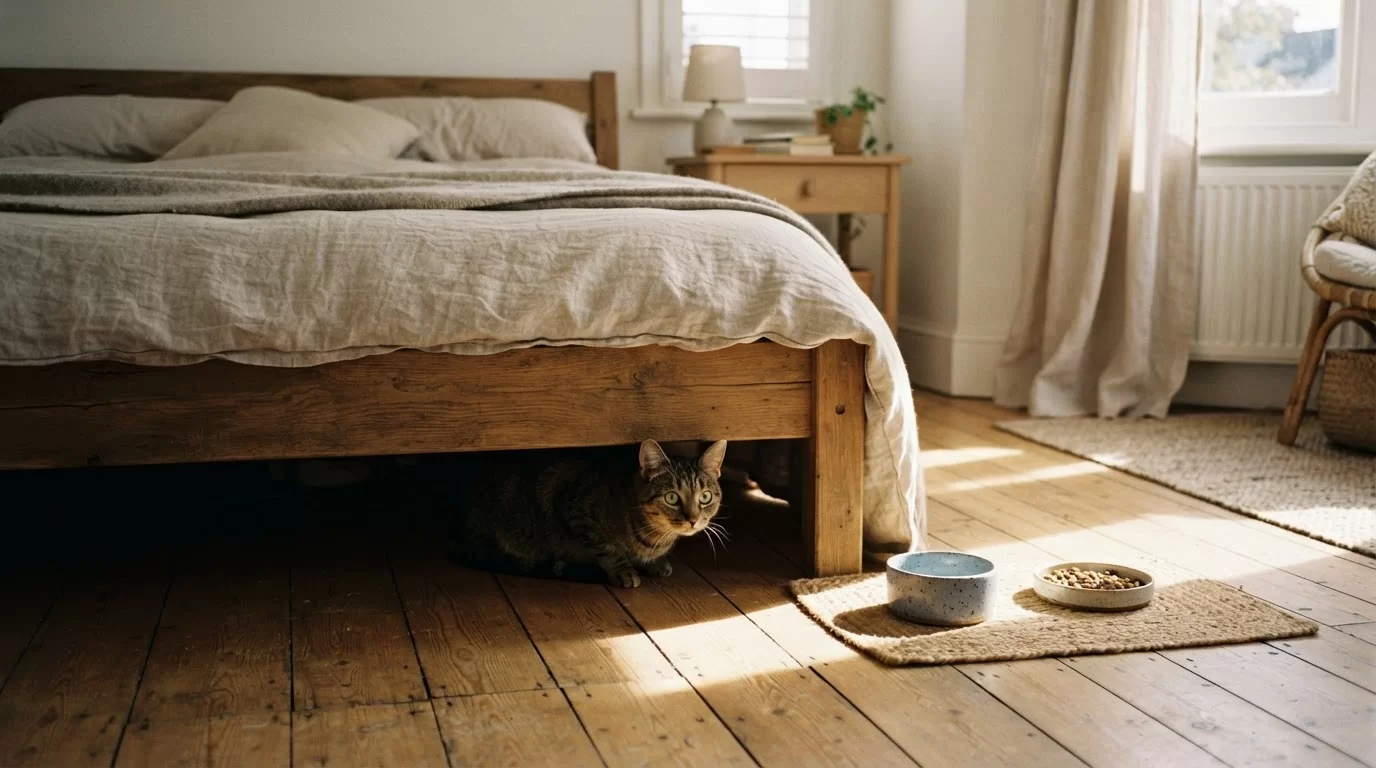
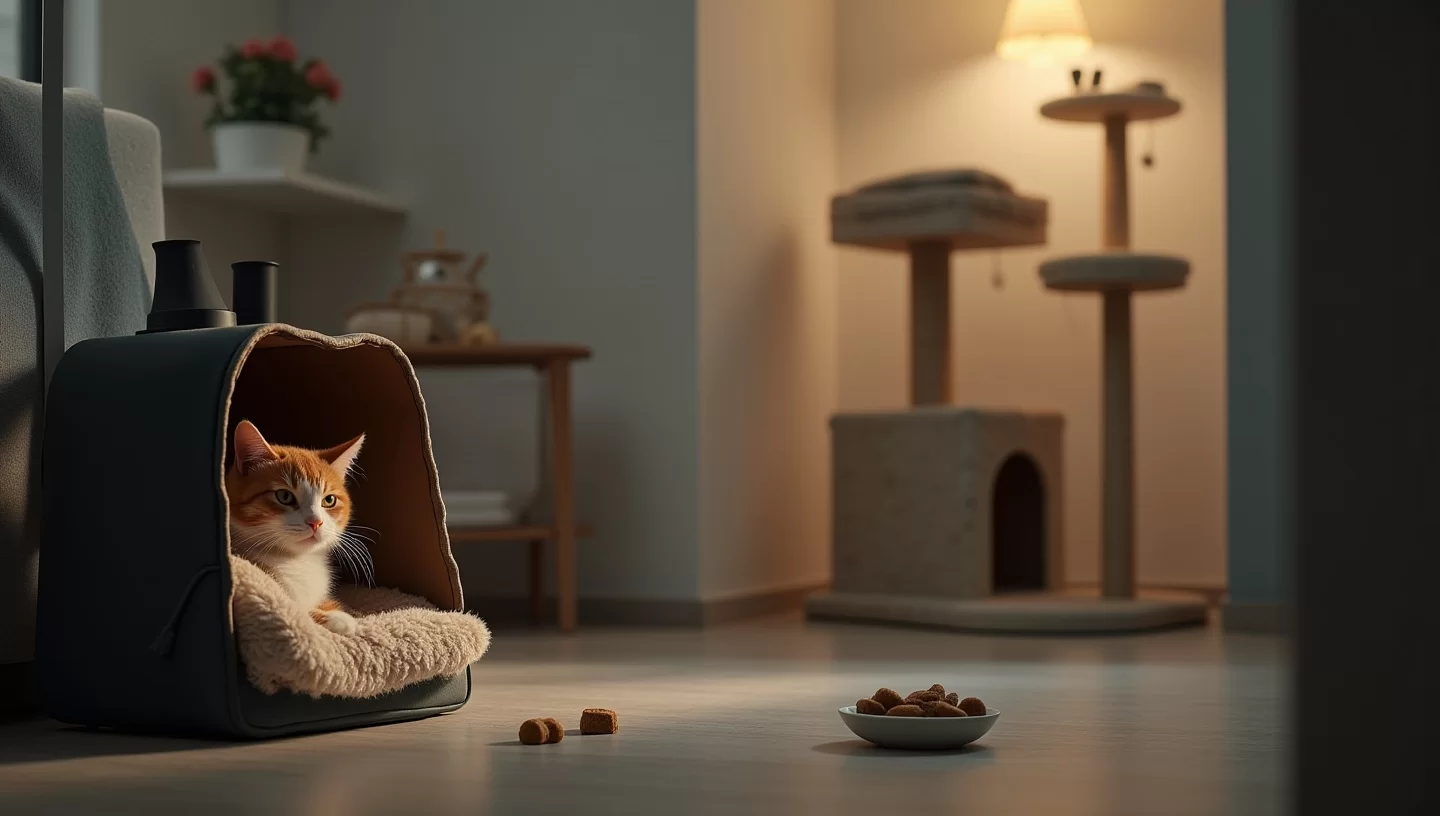
A cat that hides for hours, refuses to eat unless alone, or sprays walls in response to a passing dog is not being “difficult.” It is communicating distress. And the person who interprets that distress daily, often without clear solutions, can begin to feel helpless. That helplessness, when sustained, leads to burnout.
Recognizing Caregiver Burnout in Cat Owners
Caregiver burnout manifests differently than ordinary pet-owner stress. Common signs include:
- A sense of dread when the cat enters the room
- Irritation or anger toward the cat for behaviors that previously elicited sympathy
- Avoiding time at home because of the emotional weight
- Physical symptoms such as headaches, fatigue, or disrupted sleep linked to worry about the cat
- Guilt for feeling resentful, followed by deeper guilt for considering rehoming
These symptoms mirror those seen in human caregivers of chronically ill family members. The caretaker’s own needs become secondary to the animal’s demands, and the relationship tilts from companionship into a one-directional duty. Recognizing these feelings as burnout rather than failure is the first step toward recovery.
Why Cat Anxiety Escalates—and What It Means for You
Understanding why a cat’s anxiety can reach a breaking point helps owners depersonalize the behavior. Anxiety in cats often has layered triggers: environmental change (moving, new pets, construction noise), medical issues (hyperthyroidism, urinary tract disease, arthritis), or a mismatch between the cat’s natural instincts and the home environment. When those triggers are not identified or addressed, the cat’s stress response intensifies. The cat may stop using the litter box, become aggressive, or engage in compulsive grooming.
The owner, in turn, may react by tightening control—more confinement, more punishments, more vigilance. This usually backfires. The cat senses the owner’s frustration and becomes more anxious, creating a feedback loop. The solution lies in breaking that loop, not by ignoring the cat’s stress, but by managing the owner’s response to it.
When to Seek Professional Help for Your Cat’s Stress
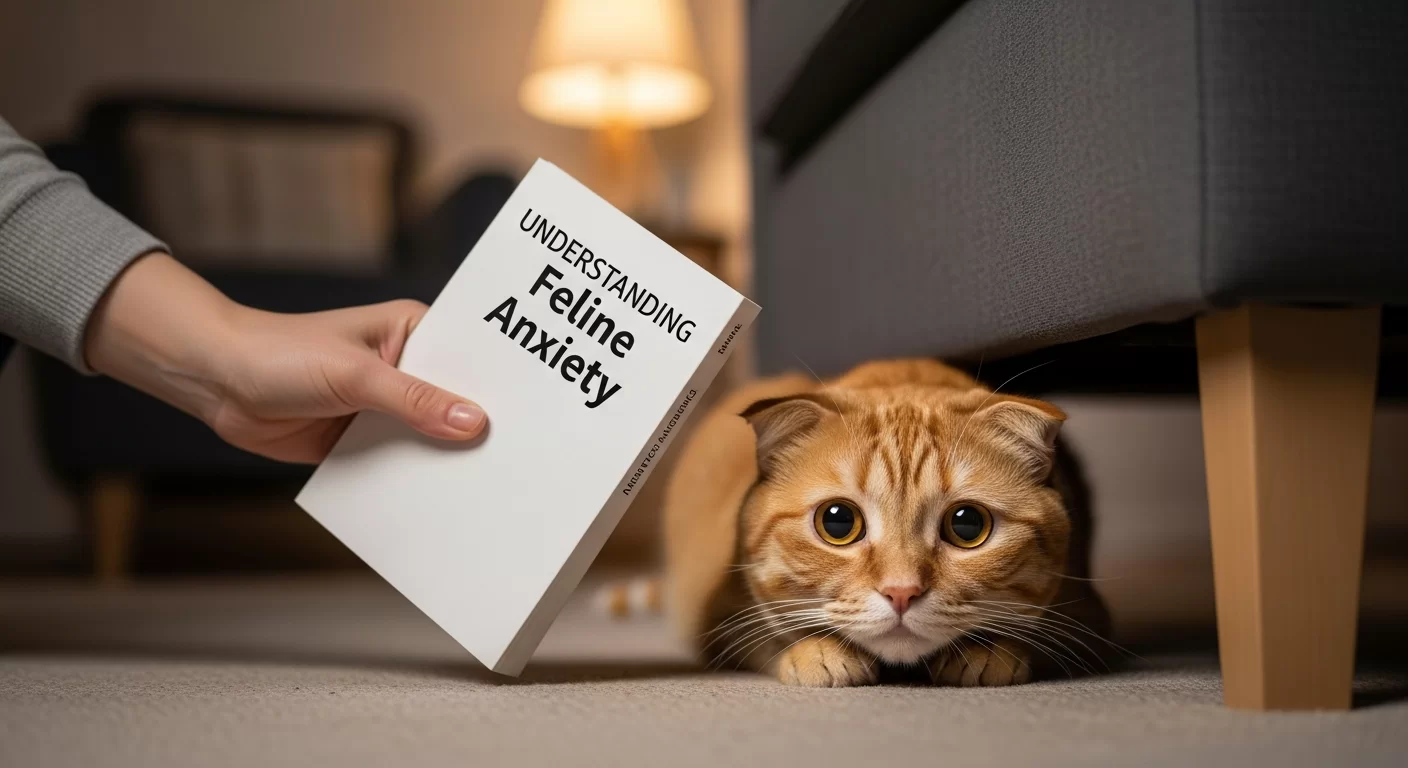
No amount of owner resilience can replace professional intervention when a cat’s anxiety is severe. Consulting a veterinarian should always be the first step, because medical conditions such as chronic pain or hyperthyroidism can mimic or exacerbate anxiety. Once medical causes are ruled out, a board-certified veterinary behaviorist or a certified feline behavior consultant can design a targeted plan.
Signs that professional help is necessary include:
- The cat has injured itself or a person due to fear or aggression
- The cat has stopped eating or drinking for more than 24 hours
- Litter box avoidance becomes persistent despite environmental changes
- The owner is experiencing significant distress or considering surrender
In many cases, a combination of behavior modification, environmental enrichment, and medication (such as fluoxetine or gabapentin) can dramatically improve the cat’s quality of life—and by extension, the owner’s.
Practical Strategies to Break the Burnout Cycle
Coping with caregiver burnout requires strategies that address both the cat’s needs and the owner’s limits. These are not quick fixes, but sustainable adjustments.
Set boundaries with compassion. It is acceptable to close the bedroom door at night even if the cat scratches. It is acceptable to hire a pet sitter for a few hours each week. The cat does not require 24/7 attention; it requires a consistent, predictable routine. Prioritizing the owner’s sleep and personal time is not selfish—it prevents the burnout that could eventually lead to abandoning the cat entirely.
Focus on control, not cure. Many anxious cats cannot be “cured” of their temperament. The goal shifts from eliminating all anxiety to managing it within a tolerable range. This reduces pressure on the owner. Small victories—such as the cat using a pheromone diffuser or eating a meal without hiding—become wins.
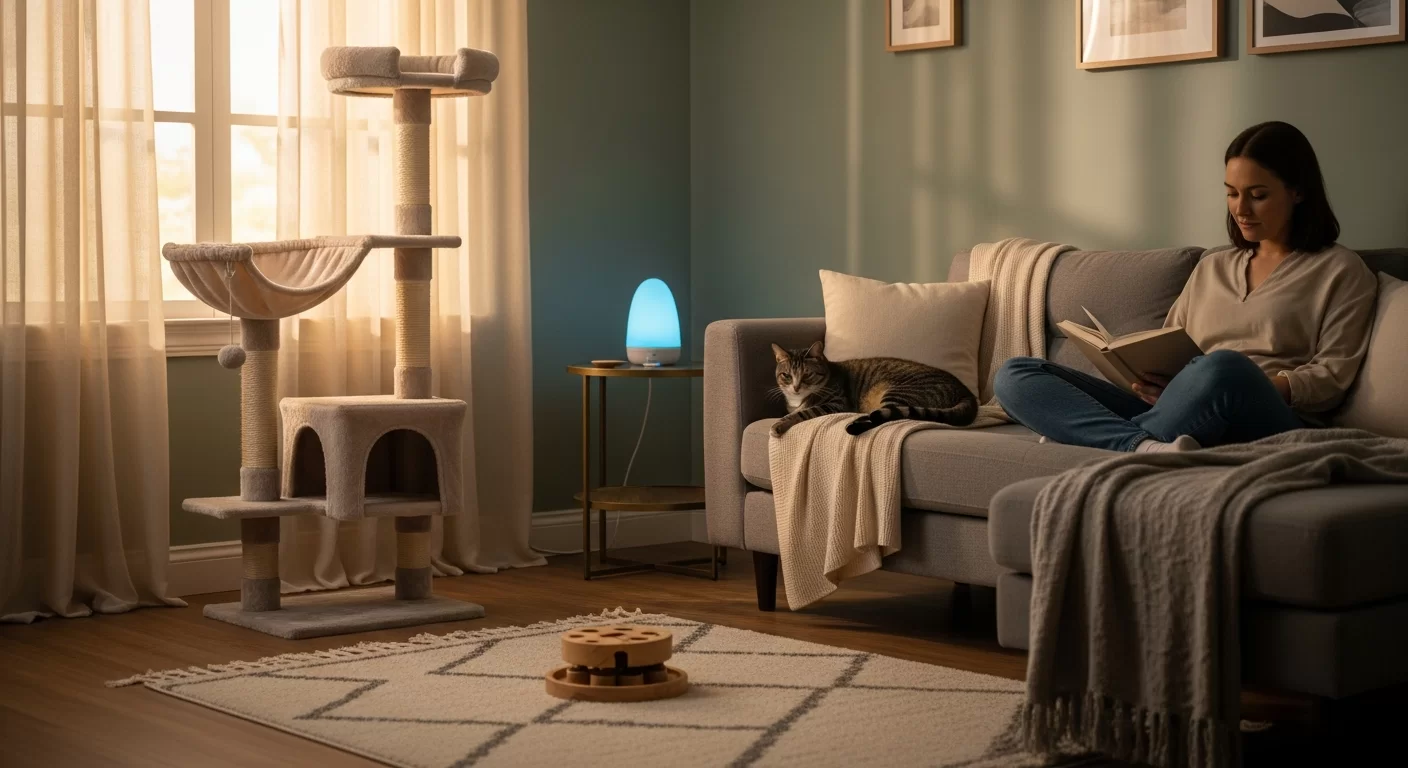
Use environmental tools strategically. Feliway diffusers, puzzle feeders, vertical space (cat trees, shelves), and sound masking (calming music or white noise) can lower baseline stress without demanding extra effort from the owner. These tools work best when introduced gradually and consistently.
Create a support network. Online forums, local cat behavior groups, or a therapist familiar with pet-related grief and stress can provide validation. Burnout thrives in isolation. Sharing experiences with others who understand the unique challenges of caring for a high-needs cat can lighten the emotional load.
Consider the following comparison of common environmental modifications and their impact on owner effort:
| Modification | Owner Effort | Typical Cost | Expected Benefit for Cat |
|---|---|---|---|
| Feliway diffuser | Low (plug in monthly) | ~$25–35/month | Reduce urine marking, hiding |
| Cat tree near window | Moderate (assembly) | $50–150 one-time | Provide escape, observation post |
| Puzzle feeder | Low (daily refill) | $10–30 each | Reduce boredom, slow eating |
| Sound masking (piano or classical) | Low (play from phone) | Free–$10 app | Dampen outside noises |
| Behavior consultation | High (multiple sessions) | $150–400 per session | Customized plan for severe anxiety |
Long-Term Self-Care While Supporting a Stressed Cat

There is also value in reframing the situation. The cat’s anxiety is not the owner’s fault. It is a health condition, and like any chronic condition, it demands patience and adaptation. Many owners report that once they stopped blaming themselves or the cat, the emotional load became more manageable. The bond can survive—and even deepen—when both parties are given room to be imperfect.
For owners at the end of their rope, rehoming is sometimes the most compassionate option, not a sign of failure. Shelters and rescue organizations with experience in behavioral cases can find environments better suited to a cat’s specific needs. That decision, while painful, can be the ultimate act of care for both human and cat.
Caregiver burnout in feline anxiety is real, but it is not a dead end. With the right combination of veterinary support, environmental adjustments, and honest self-care, owners can find a new equilibrium—one where both the cat and the human have room to breathe.