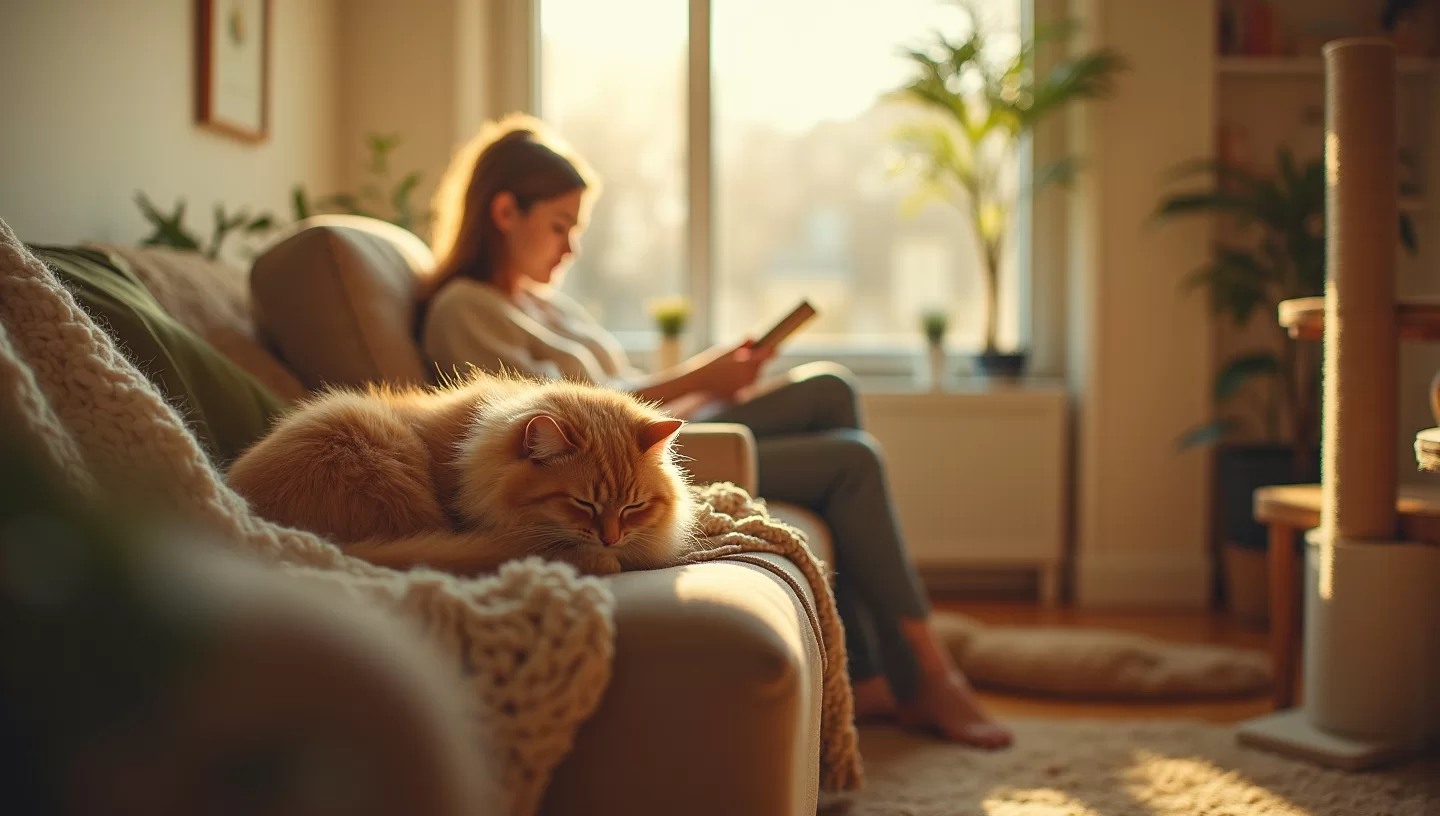
Cats can help with anxiety in a way that’s more nuanced than a simple “yes.” For many people, the presence of a cat provides calm companionship—gentle touch, predictable routines, and comforting “background” behavior that can soften stress. That matters in a world where anxiety is increasingly common and many households are looking for low-pressure, home-based support. Still, cat ownership isn’t a substitute for therapy or medical care, especially when anxiety is severe, persistent, or tied to panic, trauma, or depression.
Research on human-animal interaction suggests that companionship with animals can influence stress and emotional wellbeing for some people. However, cats don’t all respond the same way to handling, and not every cat relationship feels soothing. The best outcomes usually come from matching the cat’s temperament and the owner’s needs—creating a low-stress environment where affection feels safe, not forced.
In This Article
- Do Cats Really Help With Anxiety?
- How Cat Companionship Can Affect Stress
- When a Cat’s Behavior Helps (and When It Doesn’t)
- Common Anxiety Triggers for Cat Owners—and Their Cat-Related Causes
- Practical Ways to Use a Cat for Calmer Days
- Long-Term Thinking: Building a Safe, Supportive Bond
Do cats really help with anxiety?
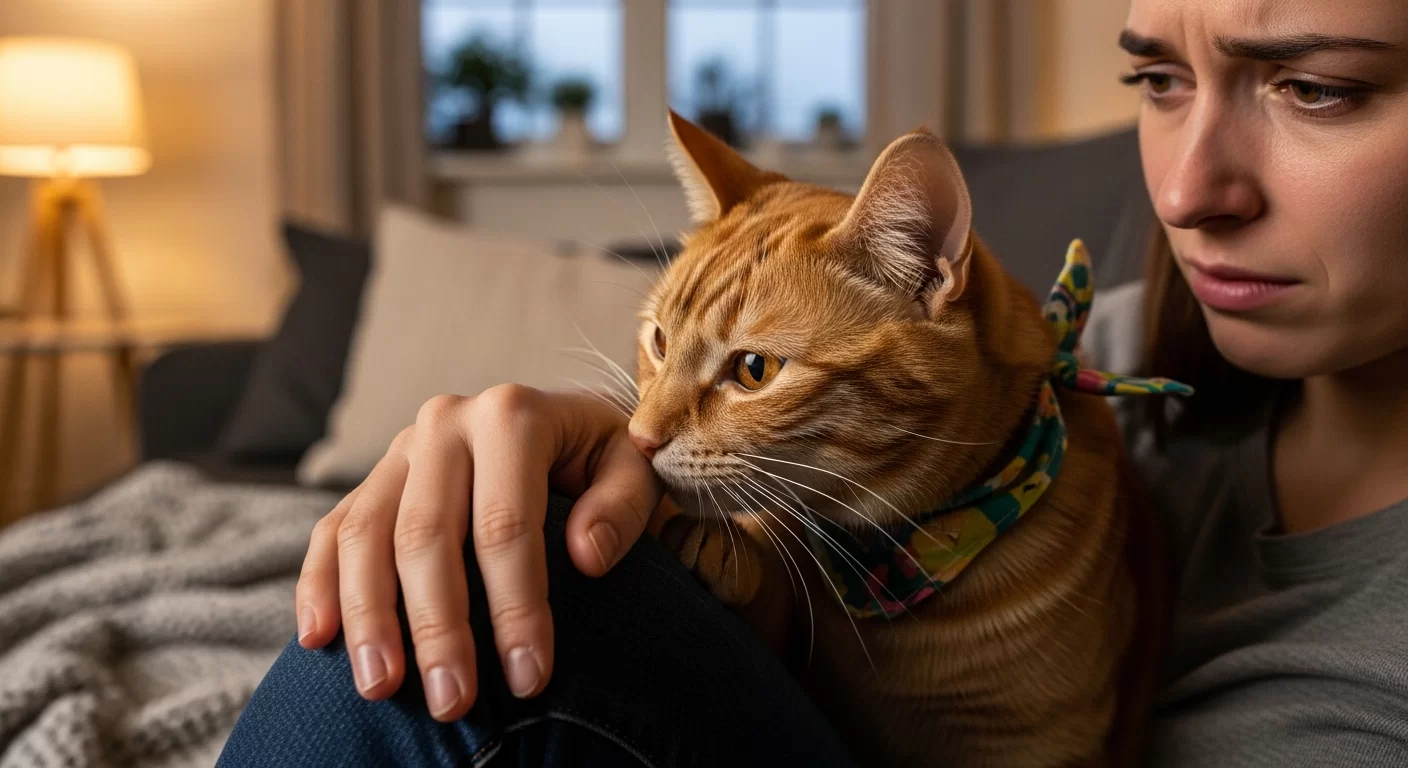
Cats are often described as “low drama,” but their impact on anxiety depends on how they interact with their person and how the person’s nervous system responds to that interaction.
A few common scenarios play out in real homes:
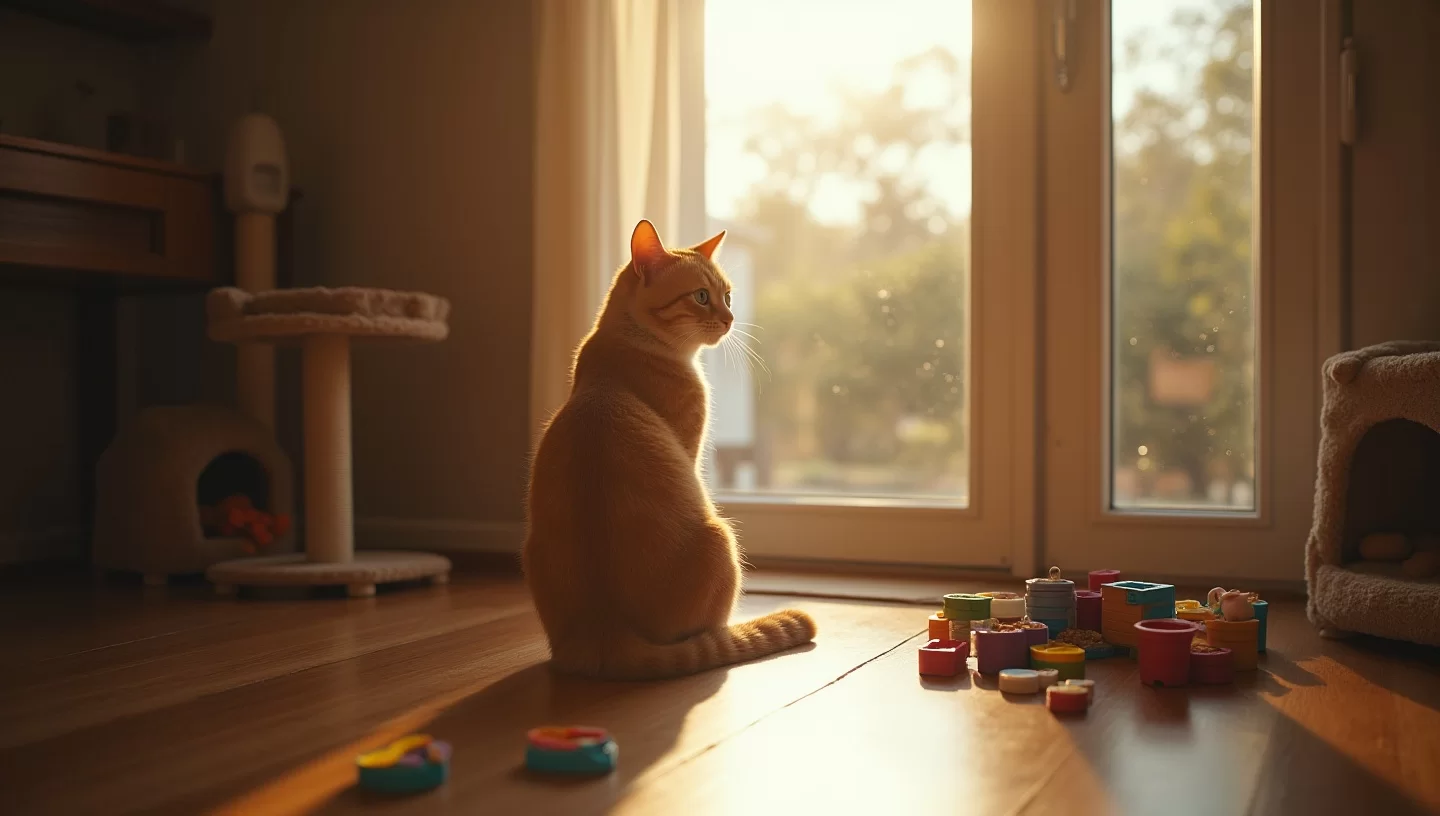
- Steady, nonverbal comfort: Watching a cat loaf, purr, or settle nearby can be grounding—especially after an exhausting workday.
- Touch-based reassurance: Some cats enjoy gentle petting or curling up next to their favorite person, creating a predictable calming routine.
- Structure through caregiving: Feeding schedules, litter box routines, and short play sessions can reduce the feeling of being overwhelmed.
Still, anxiety is complex. Anxiety may come from health conditions, sleep disruption, medications, relationship stress, or trauma triggers. In those cases, a cat may help emotionally, but the underlying issue needs proper assessment. Cornell’s feline health resources also highlight how cats thrive on routine and environmental stability—factors that can indirectly benefit both cats and the humans living with them. Cornell Feline Health Center
How cat companionship can affect stress
While cats don’t “treat” anxiety the way a clinician would, several pathways can make a difference:
1) Calming cues and consistent presence
Cats often provide quiet companionship rather than constant stimulation. For anxious people, that can mean fewer emotional spikes—less chaos, fewer demands, and more room to breathe.
2) Purring and physical closeness
Purring is strongly associated with contentment in cats. Many people find the sound and warmth of a cat’s body soothing. (Not all cats purr on demand, and some prefer less handling—so forcing closeness can backfire.)
3) Reduced loneliness
Loneliness can worsen anxiety symptoms. A cat’s companionship can create an emotional anchor, especially for people living alone.
4) Human-animal interaction research signals possible benefits
Studies in the broader field of human-animal interaction have found links between animal companionship and measures like stress reduction or improved emotional wellbeing for some people. The key nuance: effects vary by animal type, individual personality, and how safe and positive the interaction feels. This is why a cat that consistently feels “safe” is often more beneficial than one that sparks fear or frustration.
For general guidance on cat care and wellbeing, resources like International Cat Care emphasize that cats respond strongly to environment and stressors—an essential foundation for a calm household.
When a cat’s behavior helps (and when it doesn’t)
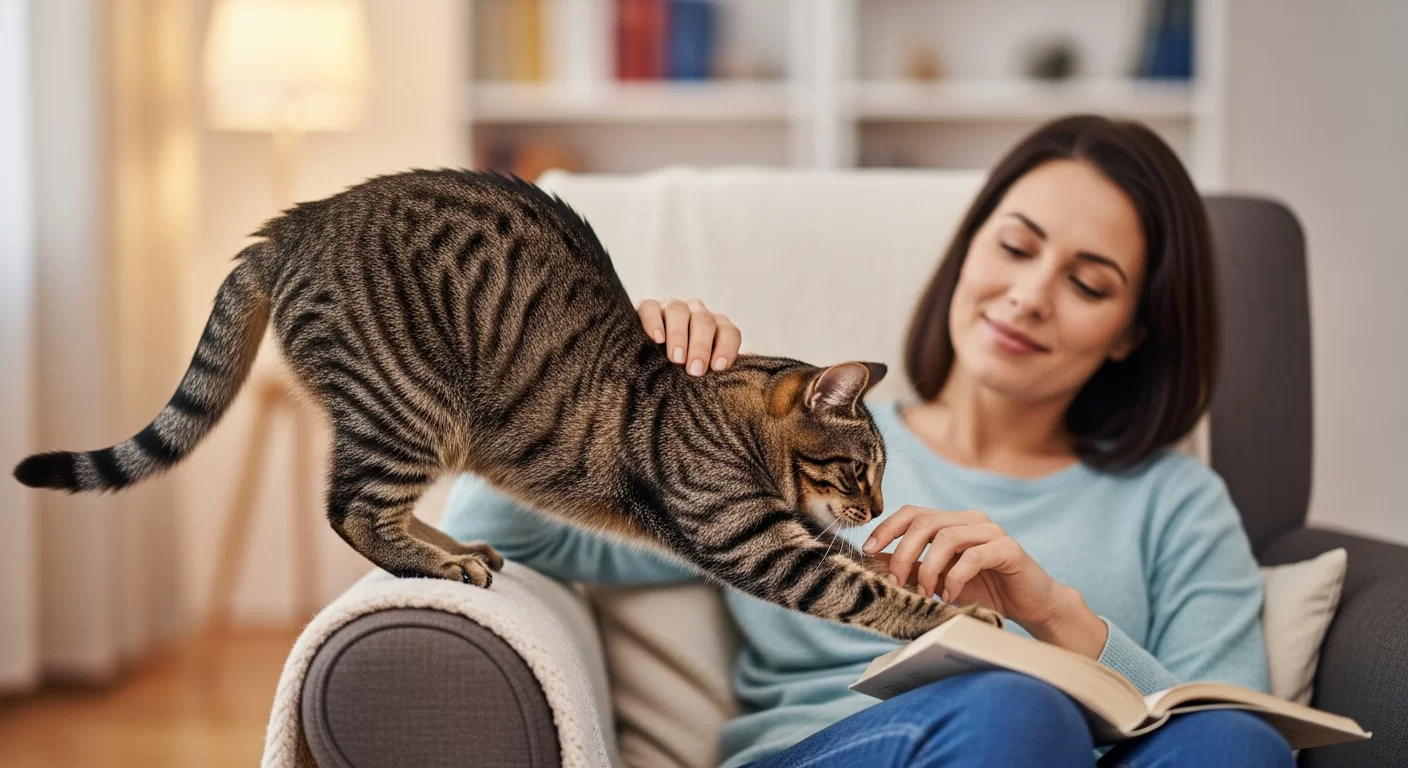
Cats can be calming, but anxiety can also be fueled by certain cat behaviors—especially in homes where the cat is stressed or understimulated.
Behaviors that often feel supportive
- Approaching voluntarily (rather than startling)
- Relaxed body language (soft eyes, slow blinks, comfortable posture)
- Predictable rhythms (mealtimes and rest periods that are fairly consistent)
- Gentle seeking behavior like napping nearby or head-butting softly
Behaviors that commonly increase stress
- Overstimulation or sudden swatting during petting
- Late-night vocalizing that disrupts sleep (sleep deprivation can worsen anxiety)
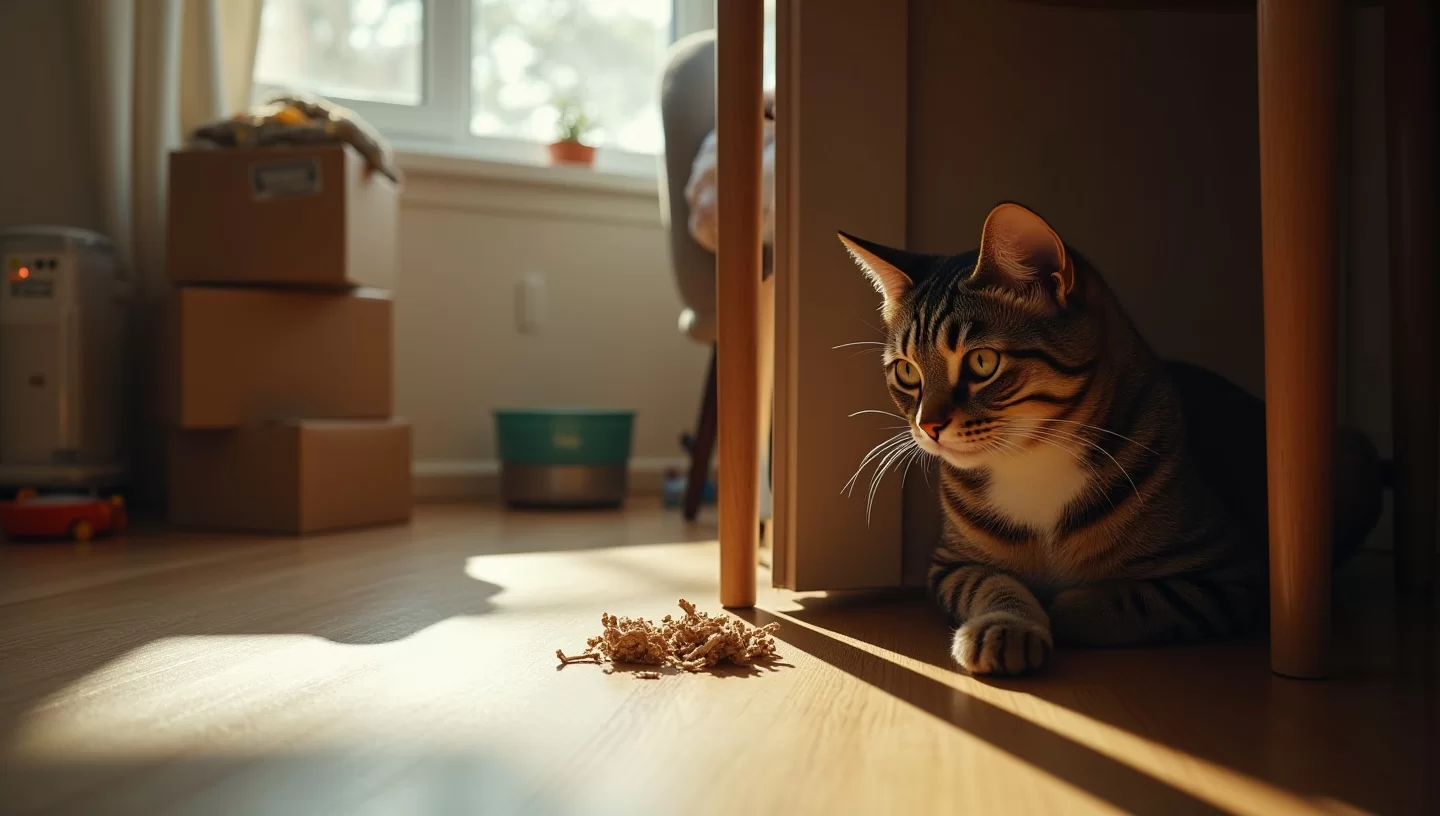
- Destructive or chaotic behavior tied to boredom, conflict, or unmet needs
- Fearful hiding paired with anxiety about “what’s wrong” with the cat
A stressed cat can create a stressed person. If anxiety shows up as irritability, rumination, or agitation whenever the cat is acting out, that’s a clue the environment needs adjustment—more enrichment, better routine, or potentially a veterinary or behavior check.
Common anxiety triggers for cat owners—and cat-related causes
Cat-related issues can indirectly worsen anxiety even when the intention is “comfort.”
Sleep disruption
A common pattern: anxious people already struggle with sleep, and a cat that becomes active at night can turn that into a daily stress loop. If nighttime yowling or pacing is consistent, addressing the root cause matters (age, pain, cognitive changes, boredom, or hunger). The Merck Veterinary Manual discusses how behavior changes can be tied to medical issues—pain and illness can be major drivers of agitation. Merck Veterinary Manual
The “litter box worry” spiral
If anxiety makes every small change feel like a medical emergency, litter box behavior becomes a major trigger. Cats may avoid the box when stressed, ill, or if it’s not clean enough for their preferences.
If there’s any sign of straining, blood, frequent attempts in the box, or unusual vocalizing with urination/defecation, urgent veterinary advice is warranted—urinary issues in cats can become serious.
Relationship stress: incompatible affection styles
Some cats are affectionate and steady. Others tolerate petting briefly and prefer personal space. Anxiety can worsen when affection feels unpredictable. The goal is to make interaction predictable and safe for both.
Practical ways to use a cat for calmer days
The most effective approach is to build a “low-demand calm” routine—one that supports nervous system regulation rather than chasing constant contact.
1) Pair comfort with consent
Instead of initiating every interaction, allow the cat to choose. A good rule: pet when the cat approaches or when the cat is already relaxed. If ears flick back or the tail whips, stop—respecting boundaries prevents stress for the cat and the owner.
2) Create a predictable daily rhythm
Cats tend to do well with routine, and routine can be grounding for humans too:
- consistent feeding times (as feasible)
- regular short play sessions
- a quiet wind-down area
International Cat Care’s behavioral guidance often emphasizes meeting cats’ natural needs (hunting, exploration, scratching) to reduce stress. International Cat Care
3) Improve the environment before adding “pressure”
If anxiety coincides with the cat acting out, enrichment often helps more than “trying harder.”
- scratching posts placed where the cat already chooses to scratch
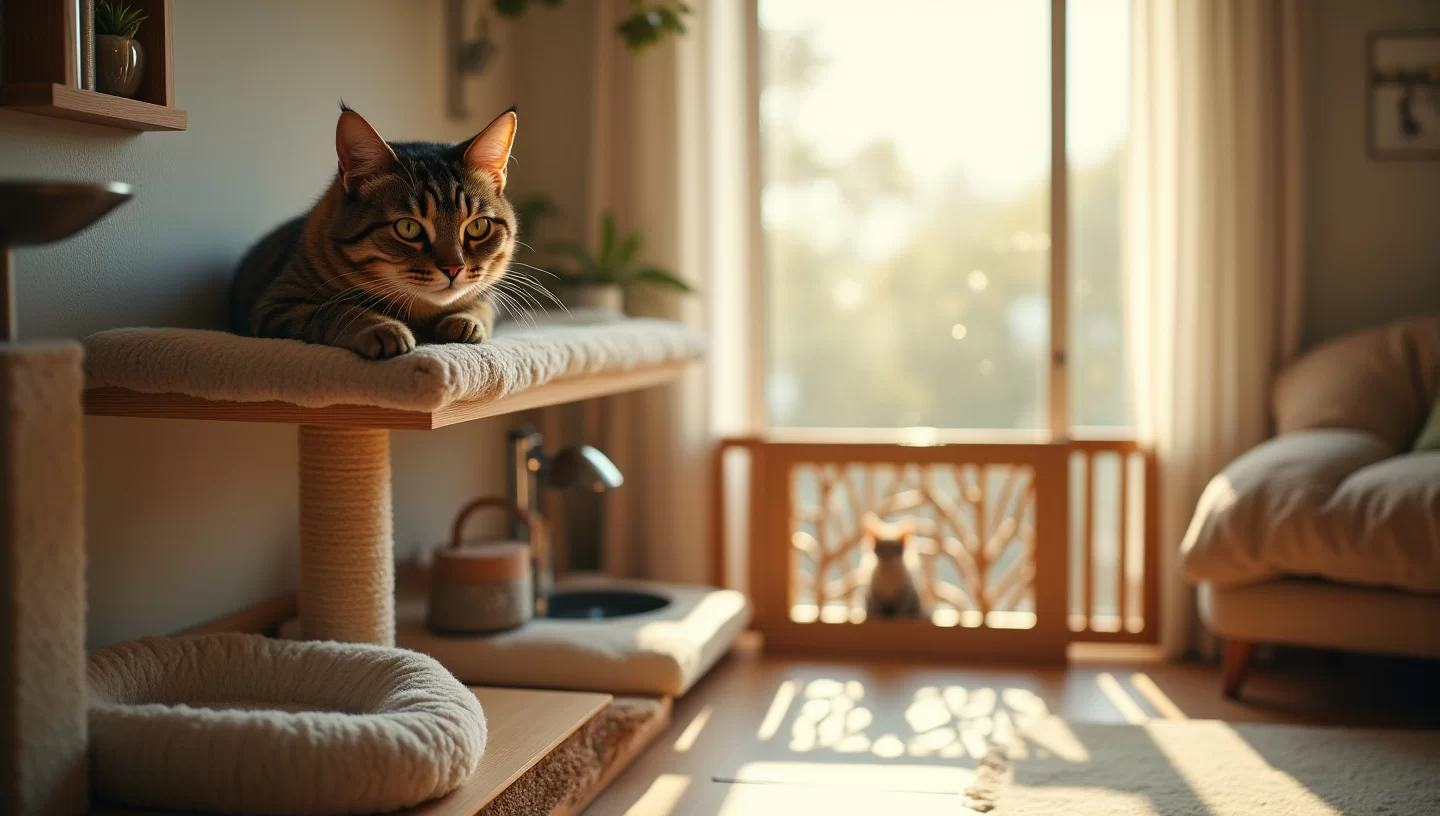
- perches near windows for observation
- interactive toys used in short sessions
4) Use scent and safe spaces strategically
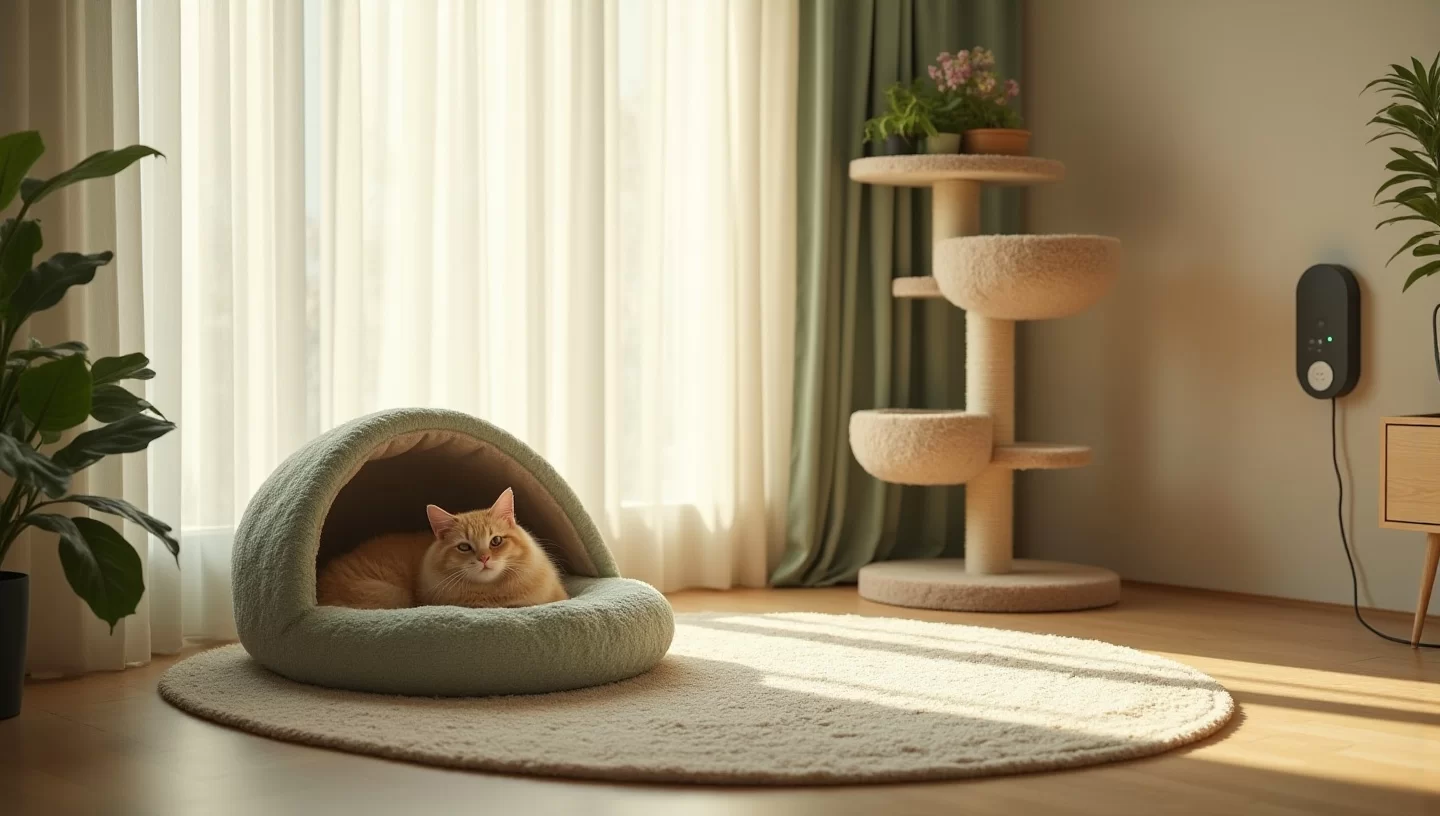
A stable sleeping spot, familiar bedding, and consistent scent can make the home feel safer for the cat. When the cat is less stressed, the household atmosphere usually follows.
5) Consider professional support when anxiety is more than “stress”
If anxiety includes panic attacks, intrusive thoughts, avoidance behaviors, or persistent symptoms impacting work, relationships, or sleep, a mental health professional can provide targeted support. A cat can be part of a coping plan—like structured grounding or companionship—but shouldn’t replace evidence-based treatment.
Long-term thinking: building a safe, supportive bond
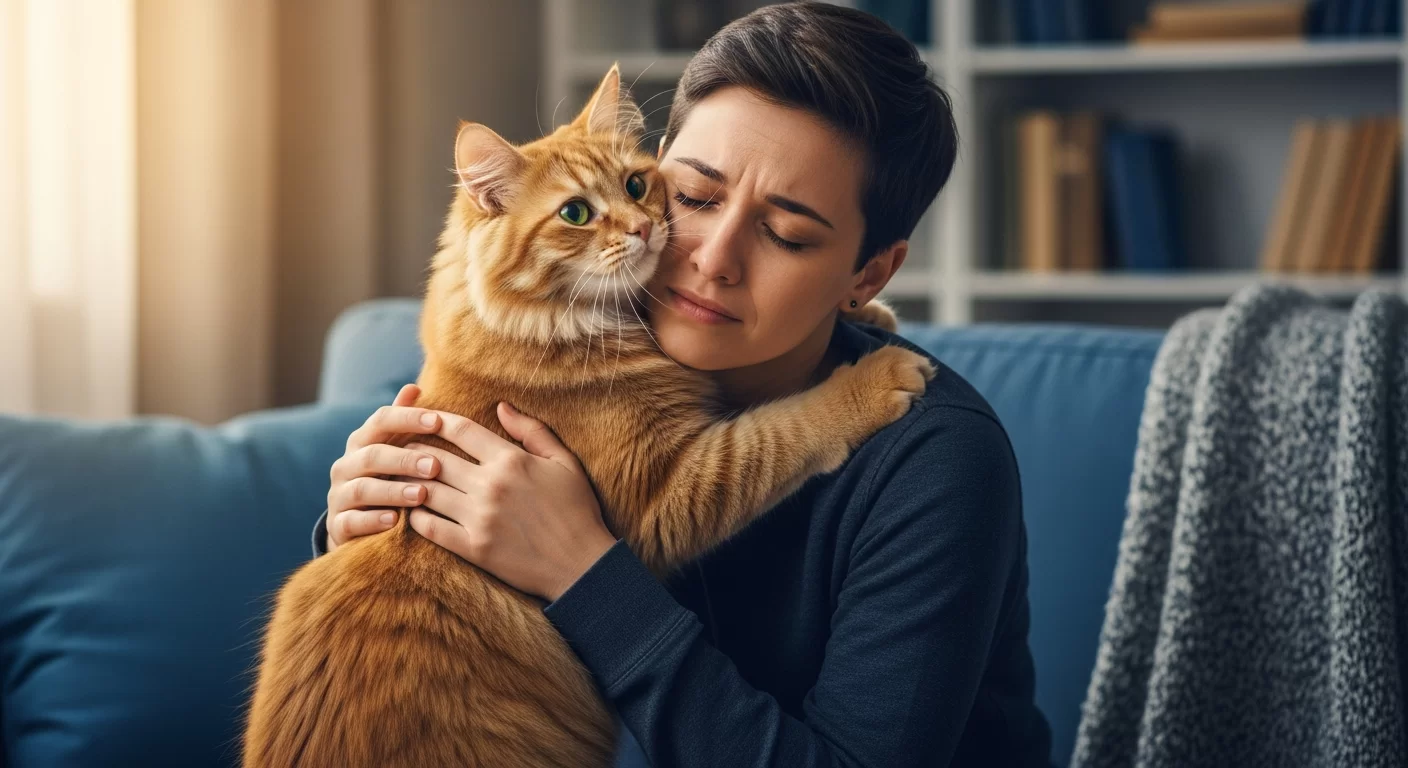
Over time, many cat-owner anxiety stories shift from “My cat helps” to “My home feels more manageable with my cat.” That tends to happen when both cat and person learn each other’s cues—when affection, play, and rest become consistent.
A practical long-term approach includes:
- Health-first mindset for behavior changes: If the cat’s behavior is new or worsening, veterinary care is the safest first step. Pain and illness can mimic behavioral “attitude.”
- Gentle, measurable adjustments: Keep changes small—new feeding schedules, new enrichment, or rearranged furniture done gradually.
- Respect differences in temperament: Some cats are naturally soothing. Others need time and support to feel secure. Choosing a cat that fits household dynamics matters, and so does giving the cat a settling period.
For broader guidance on anxiety-related wellbeing and stress management, mental health organizations consistently emphasize evidence-based care and coping routines. In the same spirit, the most helpful “cat method” is usually the one that reduces chaos in the home and improves safety cues for both species.
Cats can offer meaningful comfort for some people living with anxiety, primarily through companionship, predictability, and calming human-animal interaction cues. The real determinant is fit: the cat’s temperament, the interaction style, and whether the cat’s own needs (health, enrichment, routine) are being met. When anxiety is severe or persistent, professional support remains essential. With thoughtful care, though, many households find that a relaxed cat doesn’t just share space—it helps the day feel less sharp and more livable.