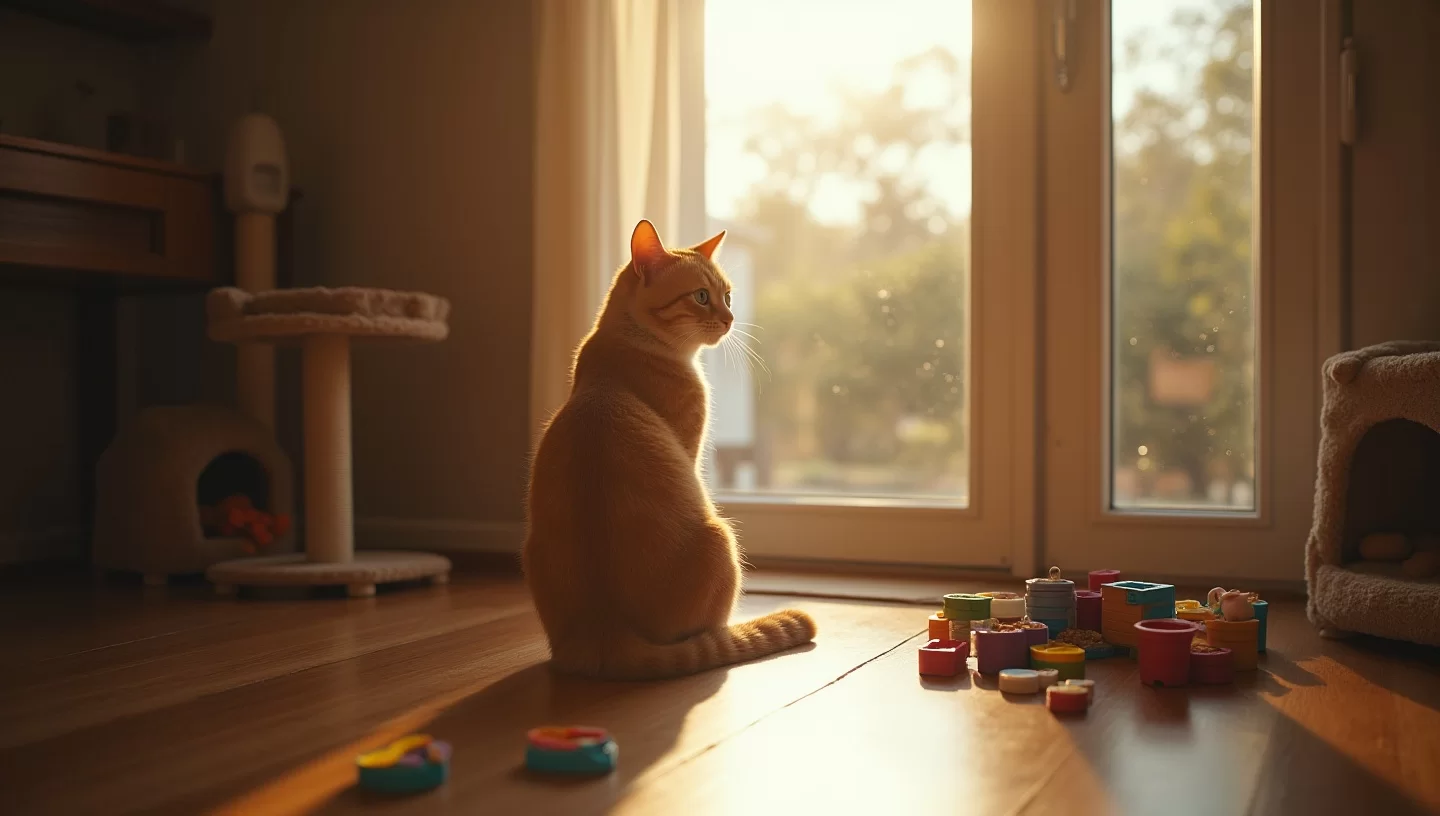
Cats can develop separation-related stress, and for some, it looks a lot like separation anxiety in dogs. While cats are often described as independent, many form strong attachments to their people, routines, and environments. When those anchors change, some cats respond with clinginess, vocalizing, destructive scratching, overgrooming, or changes in litter box habits. In a home where remote work, hybrid schedules, travel, and long commutes often change the rhythm of the day, these signs can become more noticeable.
The challenge is that cat behavior is easy to misunderstand. A cat hiding, meowing at the door, or urinating outside the box may not be “being difficult.” Those behaviors can be signals of distress, boredom, medical issues, or a combination of both. Understanding the difference matters because the right response can improve a cat’s comfort and prevent a small stress problem from becoming a bigger one.
In This Article
•Do Cats Get Separation Anxiety?
•Common Signs of Separation-Related Stress in Cats
•Why Cats Develop Separation Anxiety
•How It Differs from Medical or Behavior Problems
•What Helps a Cat Feel More Secure
•When to Call a Veterinarian or Behaviorist
Do cats get separation anxiety?
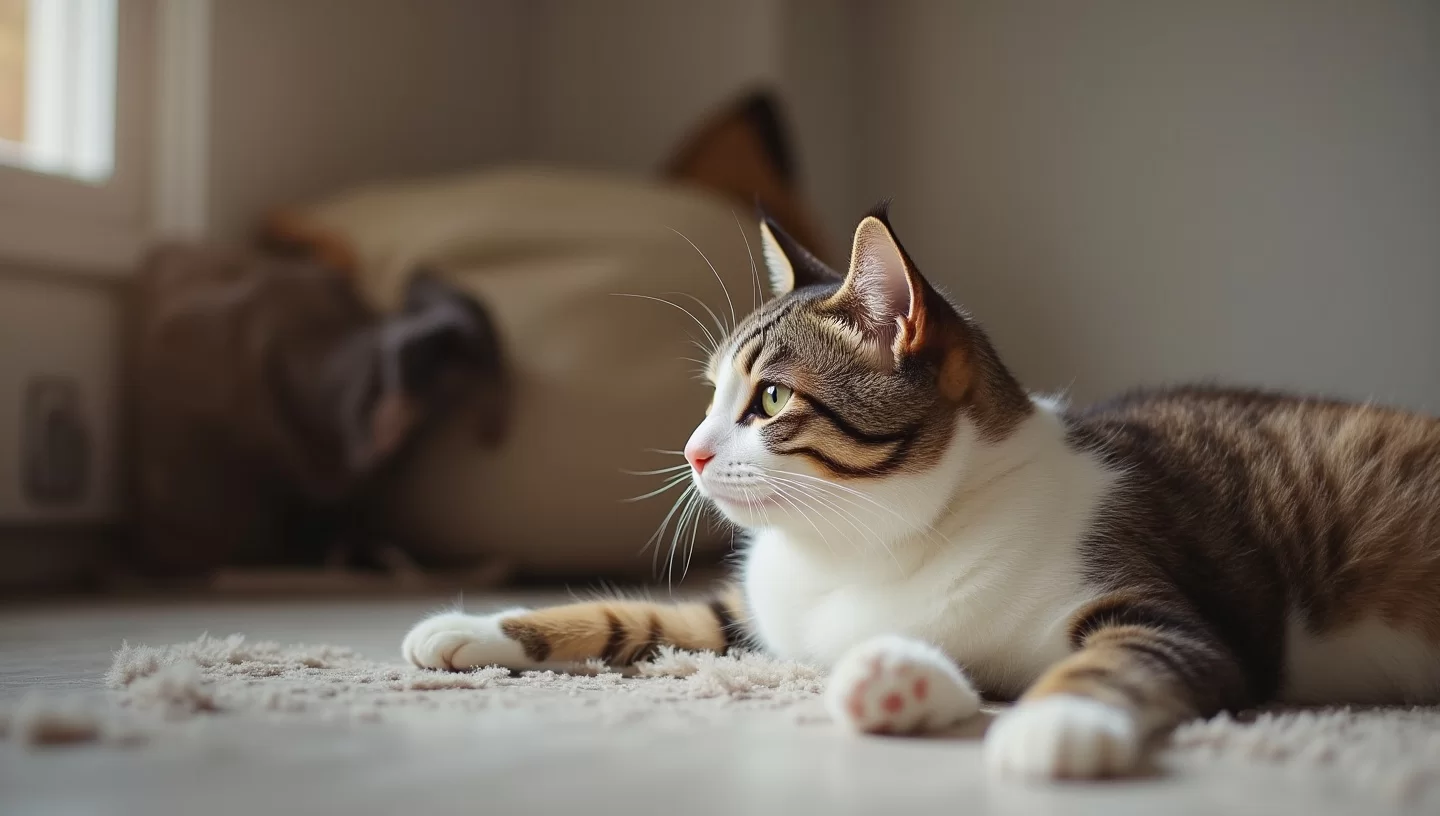
Yes, cats can experience separation anxiety or separation-related distress, although veterinarians and behaviorists often use the broader term “separation-related behavior” because cats do not always show the same pattern seen in dogs. Some cats become visibly upset when a person leaves, especially a primary caregiver or the person who feeds them, plays with them, or provides the most interaction.
A cat with separation anxiety may act fine while a person is home, then become distressed after departure. Others begin showing signs before the exit routine even ends. The most common triggers include changes in schedule, a sudden absence due to travel or hospitalization, rehoming, a new household member, or an event that makes the home environment feel less predictable.
In practical terms, the question is not whether cats can miss people. They clearly can. The more useful question is whether the cat’s response to that absence is becoming stressful or disruptive.
Signs that a cat may be struggling when left alone
Cats do not all express stress the same way. Some become loud, while others become unusually quiet. A few may seem attached at one moment and withdrawn the next. Common signs include:
- Excessive meowing, yowling, or crying after a person leaves
- Following a person from room to room before departure
- Clinginess or heightened demand for attention
- Destructive scratching, especially around doors or windows
- Elimination outside the litter box
- Overgrooming or licking that leaves thin fur or bald spots
- Loss of appetite when alone or shortly after a person returns
- Pacing, restlessness, or staring at doors and windows
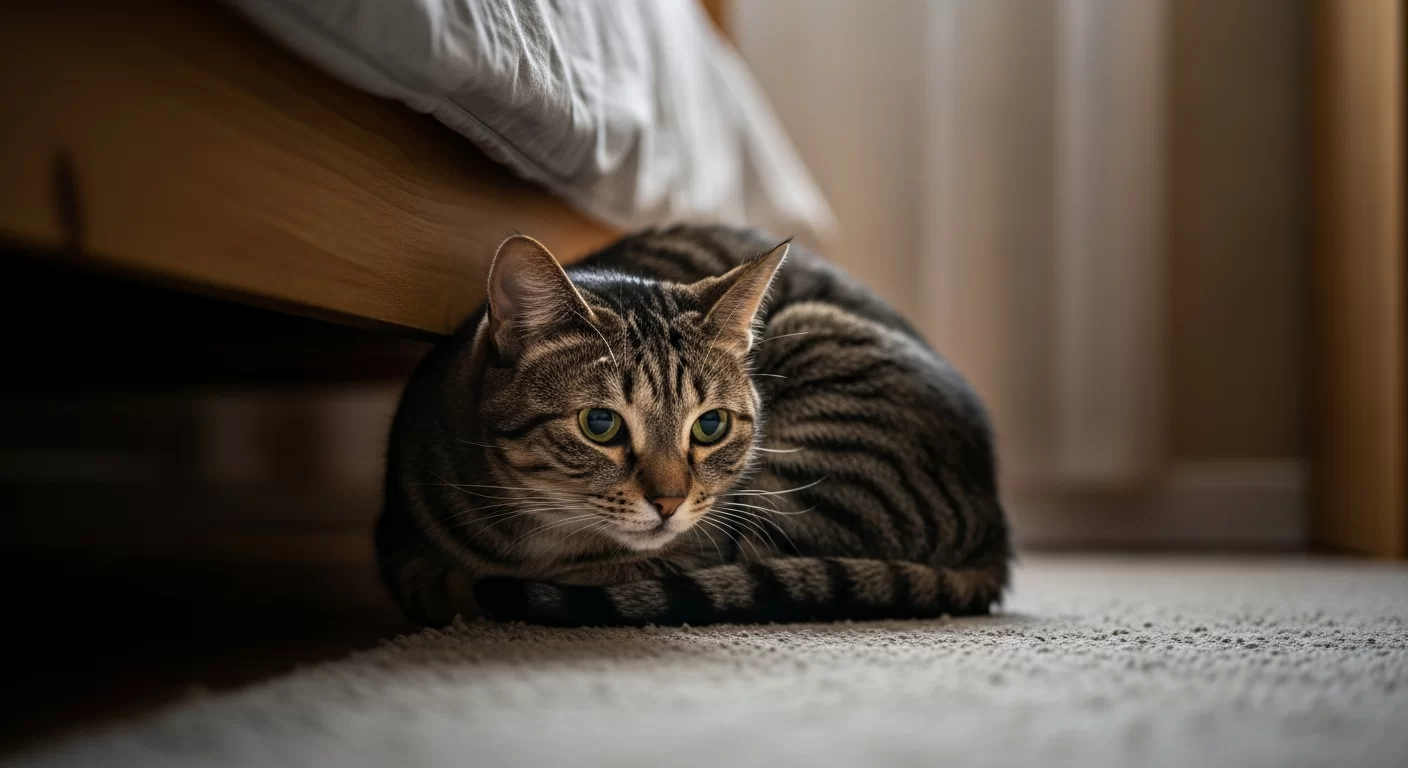
- Hiding more than usual
- Changes in sleep patterns
A helpful distinction: a cat that only meows briefly at the door may be showing normal protest. A cat that repeatedly soils the home, injures skin through grooming, or seems distressed every time a household member leaves deserves a closer look.
Quick answer: what separation anxiety in cats often looks like
| Common sign | What it can mean |
|---|---|
| Loud vocalizing | Protest, distress, or attention-seeking |
| Inappropriate urination | Stress, medical issue, or litter box aversion |
| Overgrooming | Anxiety, skin irritation, or pain |
| Destructive scratching | Stress relief, marking, or boredom |
| Clinginess before departure | Anticipation of being left alone |
Why some cats develop separation anxiety
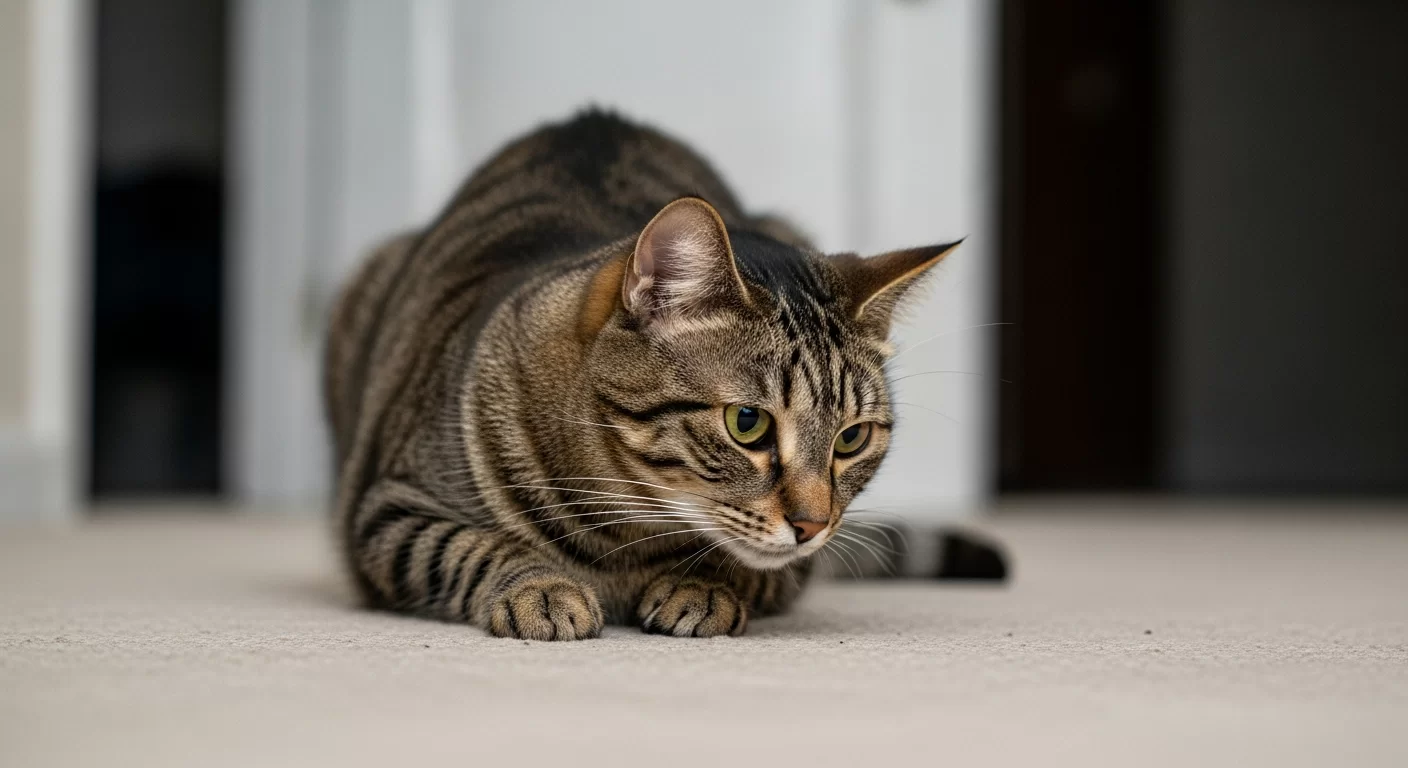
Cats are creatures of habit. Predictable feeding times, familiar scents, and stable routines help them feel safe. When those routines change, stress can build. Several factors may contribute:
Strong attachment to one person
Some cats bond intensely with a single caregiver. This is especially common in homes where one person feeds the cat, plays more often, or spends the most time at home.
Early life experience
Kittens that were weaned too early, lacked socialization, or had unstable early environments may be more prone to stress later.
Sudden changes in the household
Moving, a new pet, a baby, relationship changes, visitors staying long-term, or a shifted work schedule can all unsettle a cat.
Limited mental and physical stimulation
Indoor cats need outlets for hunting behavior, climbing, scratching, and exploration. Boredom can amplify anxious behavior.
Past loss or disruption
A cat that has experienced abandonment, surrender, or repeated environmental change may be more sensitive to being alone.
Medical discomfort
Pain, urinary problems, digestive issues, or thyroid disease can make a cat appear anxious or more reactive. That is one reason behavioral change should never be dismissed without considering health.
Separation anxiety vs. other cat problems
Not every “anxious” behavior comes from separation. Cats can develop litter box issues, vocalization, or grooming changes for different reasons, including illness. A vet exam helps rule out common medical causes before treating the behavior as anxiety.
| Behavior | Possible separation stress | Possible medical or environmental cause |
|---|---|---|
| Urinating outside the box | Yes | Urinary tract disease, arthritis, box aversion |
| Excessive grooming | Yes | Fleas, allergies, skin pain, anxiety |
| Crying or vocalizing | Yes | Hunger, cognitive changes, pain, attention-seeking |
| Hiding | Yes | Stress, illness, noise, new pets, fear |
| Aggression on return | Sometimes | Overstimulation, pain, redirected stress |
If the behavior appears suddenly, worsens quickly, or involves the litter box, a veterinary visit should come first.
What helps a cat feel more secure
Keep departures and arrivals low-key
A dramatic goodbye can heighten anticipation. Calm, predictable exits often help. The same goes for homecomings: quiet greetings are usually better than high-energy reunions.
Build a predictable daily rhythm
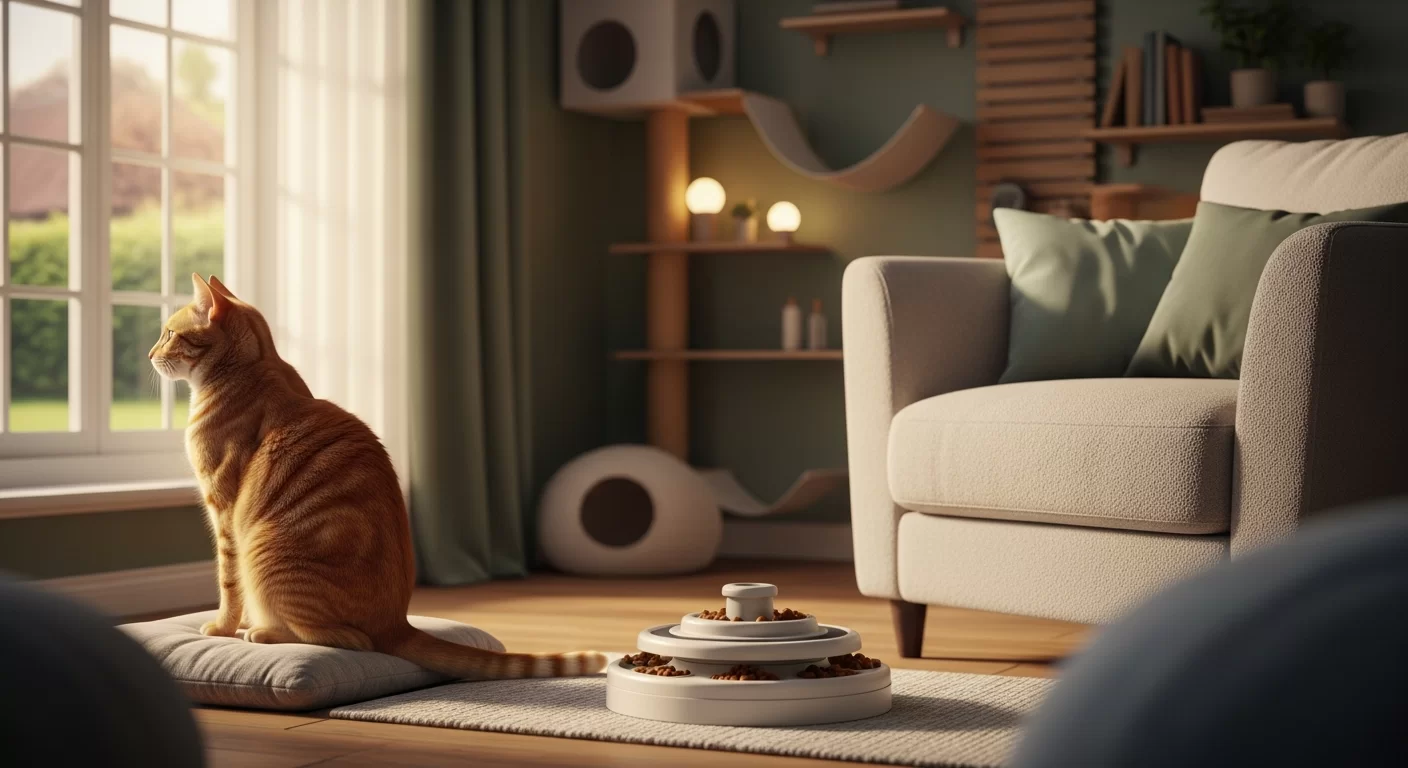
Cats often relax when meals, play, and rest happen on a regular schedule. Automated feeders can help maintain consistency if work hours vary.
Increase enrichment
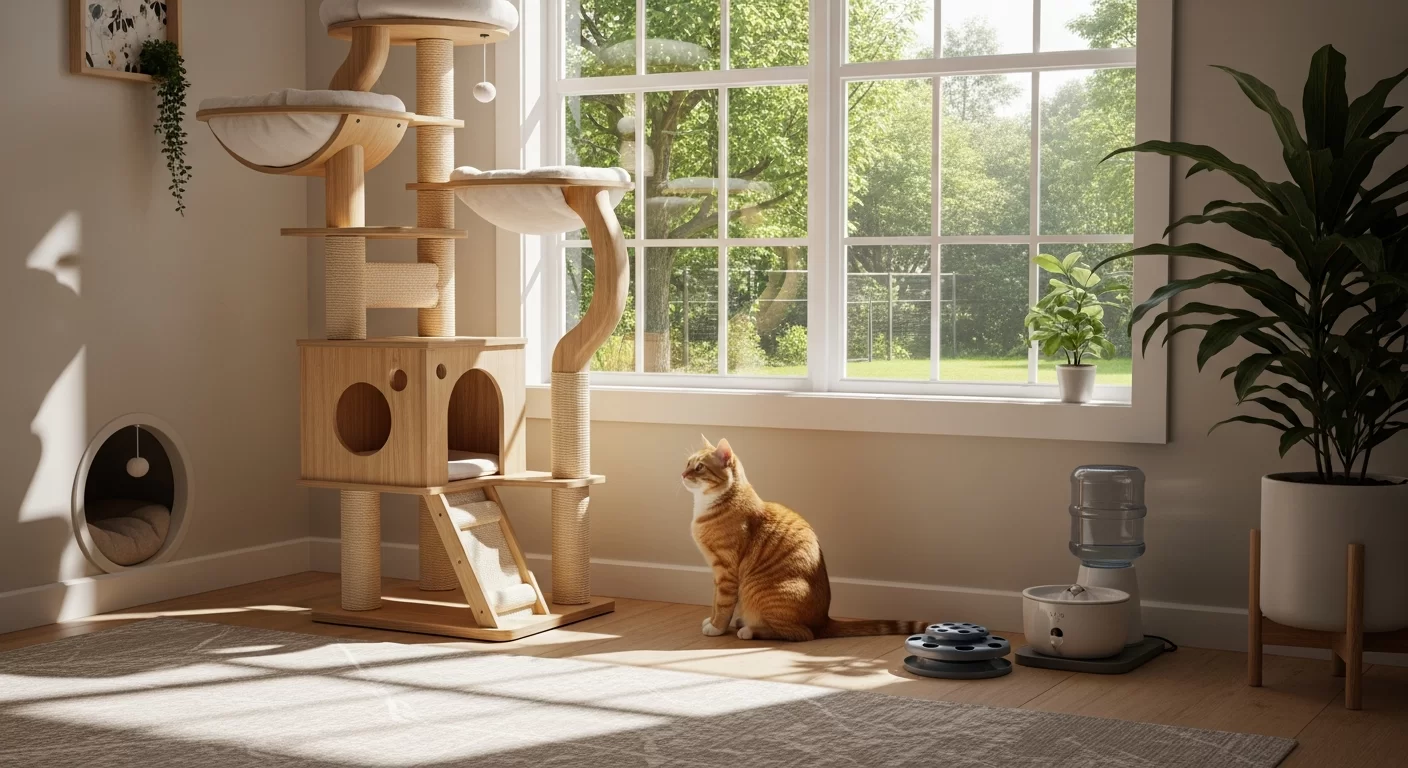
Interactive play before leaving can help release energy and reduce restlessness. Puzzle feeders, treat-dispensing toys, climbing shelves, window perches, and scratching posts give a cat something constructive to do alone.
Create positive associations with alone time
Short absences paired with treats or favorite activities may help a cat learn that being alone is safe. This is especially useful for cats who begin showing signs before the person even leaves.
Use scent and comfort cues
A familiar blanket, worn T-shirt, or cozy resting spot can make the environment feel more stable. Some cats respond well to cat pheromone diffusers marketed to reduce stress.
Avoid sudden schedule changes when possible
If travel or a new work schedule is coming, gradual transitions are usually easier than abrupt ones.
Consider camera monitoring
A pet camera can help confirm whether the cat is distressed when alone or whether the behavior happens only around departure rituals.
When behavior changes need veterinary help
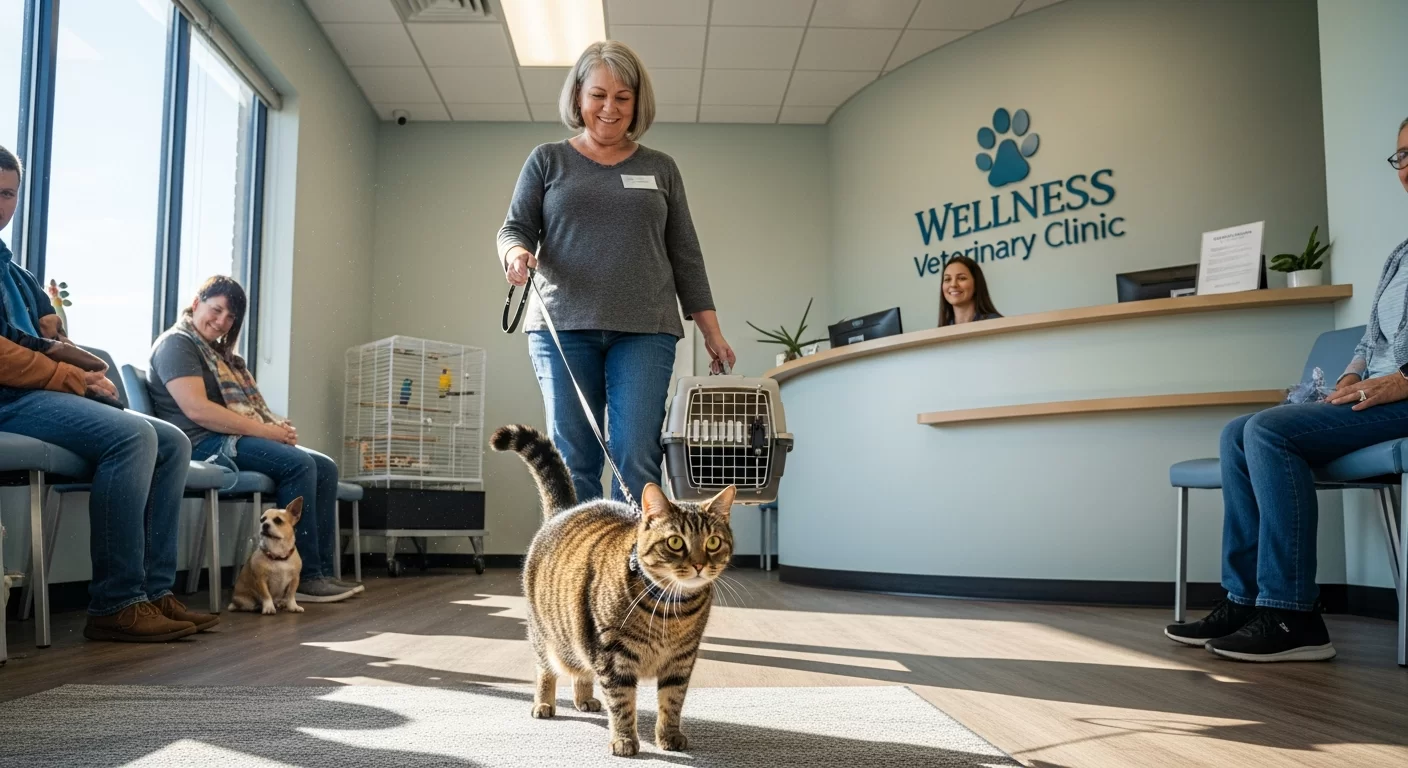
A cat should be seen by a veterinarian if separation-related behavior comes with:
- Urinating or defecating outside the litter box
- Straining to urinate
- Hair loss, sores, or bald patches from grooming
- Refusal to eat
- Sudden aggression
- Weight loss
- Vomiting
- Increased thirst or changes in litter box frequency
- A sudden personality shift
Behaviorists and veterinarians sometimes work together on these cases. In more severe situations, a cat may need a structured behavior plan, environmental changes, or medication prescribed by a veterinarian. Prescription treatment is not the first step for every cat, but it can be appropriate when anxiety is severe or persistent.
Can cats outgrow separation anxiety?
Some cats improve with age and routine, especially when caregivers respond early. Others remain sensitive to change throughout life but become much more manageable with the right setup. The goal is usually not to eliminate every sign of attachment. It is to help the cat feel safe enough to relax when alone.
A cat that waits by the door does not automatically have a problem. Many cats simply notice patterns and anticipate attention. Concern rises when the cat seems distressed, unable to settle, or begins showing behaviors that affect health and daily life.
A thoughtful response often makes a noticeable difference. Stable routines, richer play, and a calmer departure pattern can reduce stress for many cats. When those steps are not enough, a veterinarian can help sort out whether anxiety, pain, or another issue is driving the behavior.