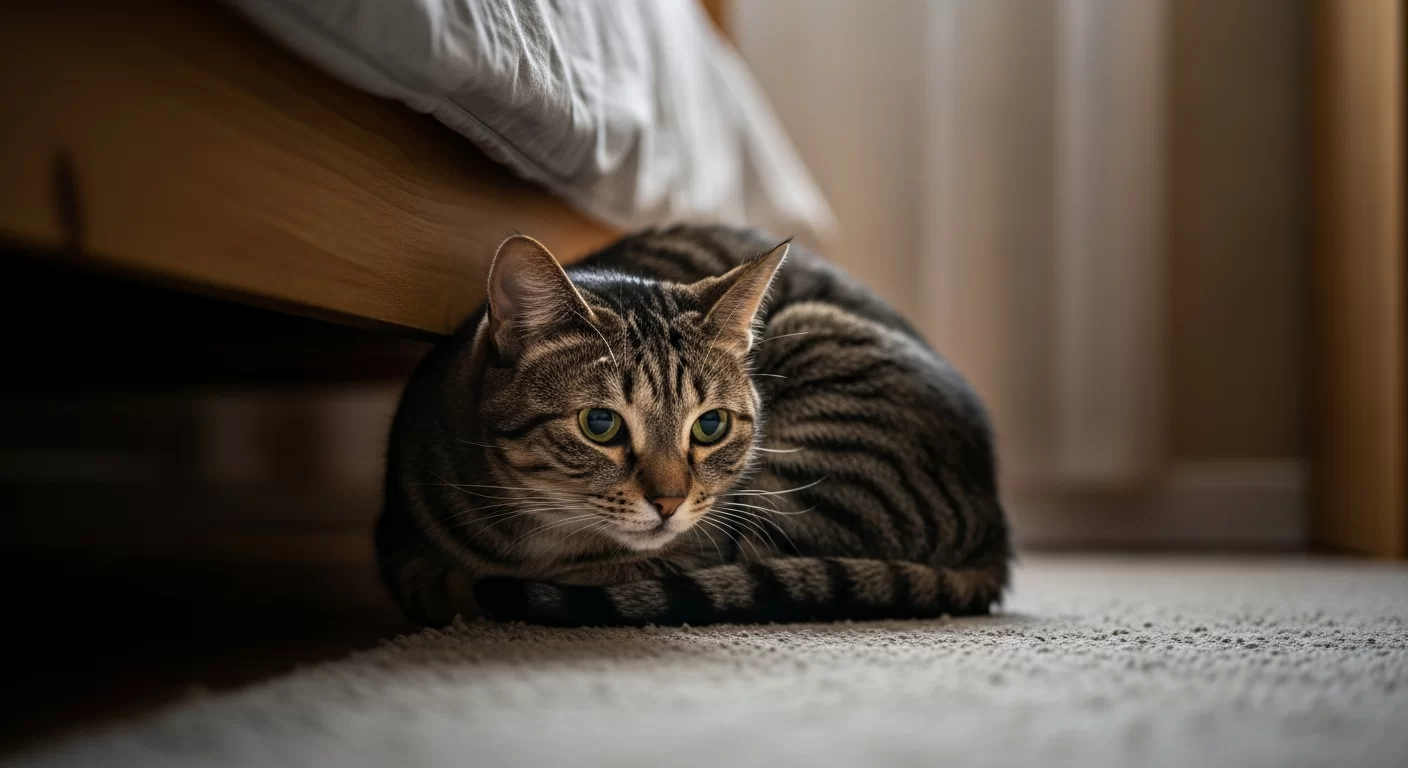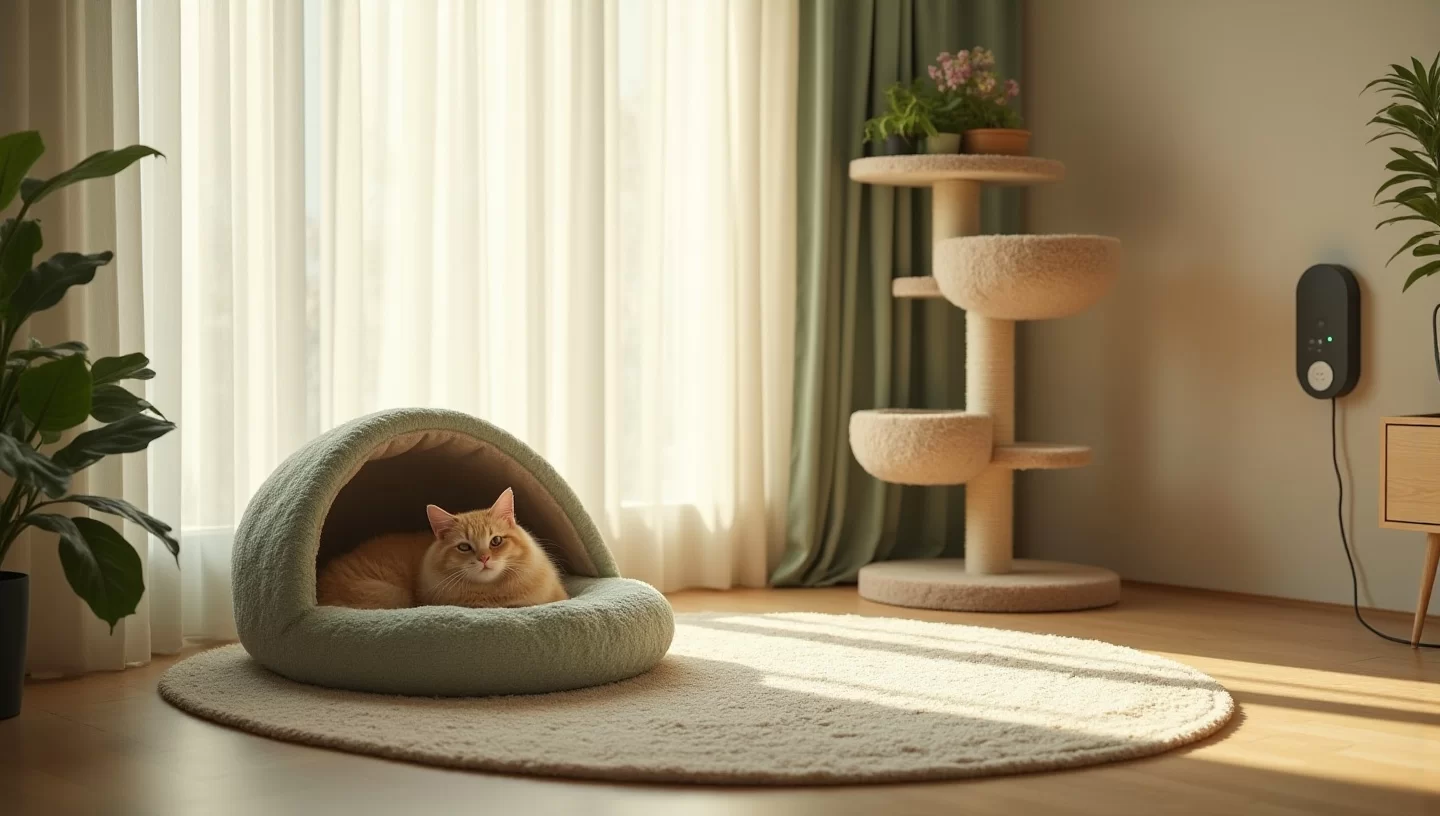
Can cats suffer from anxiety? The short answer is yes, though feline anxiety looks very different from what many people expect. Unlike dogs, who may pace, bark, or pant when stressed, cats tend to signal their distress in quieter, more subtle ways that are easy to miss or misinterpret. A cat hiding under the bed, suddenly avoiding the litter box, or grooming obsessively might not be acting out — they may be struggling with an underlying anxiety issue. With more cats living exclusively indoors and adapting to increasingly busy human households, anxiety-related behaviors have become one of the most common concerns veterinarians and feline behaviorists encounter. Recognizing the difference between a cat who is simply independent and one who is genuinely anxious can make a meaningful difference in their quality of life. Understanding what triggers feline anxiety and how to address it helps cat parents respond with compassion rather than frustration.
In This Article
• What Is Feline Anxiety
• Common Causes of Anxiety in Cats
• Signs and Symptoms Every Cat Parent Should Recognize
• When Anxiety Becomes a Health Concern
• How to Help an Anxious Cat
• Creating a Low-Stress Home Environment
• Professional Help and Treatment Options
• Products That May Support a Calmer Cat
What Is Feline Anxiety
Feline anxiety is a state of heightened alertness or fear that persists beyond an immediate threat. While all cats experience moments of fear — a sudden loud noise, a visit to the vet, an unfamiliar visitor — anxiety becomes a concern when the response lingers or occurs without an obvious trigger. At its core, anxiety in cats involves a prolonged activation of the stress response system. This can affect everything from appetite to sleep patterns to social behavior.
Veterinary behaviorists distinguish between fear, which is a response to a real danger, and anxiety, which is an anticipation of a perceived threat. A cat who runs and hides when a stranger enters the room is experiencing fear. A cat who hides hours before a guest arrives, or who refuses to eat for days after a minor disruption, may be experiencing anxiety.
Anxiety in cats almost always has an underlying cause, even if it is not immediately obvious to the owner. Identifying the root is the first step toward helping the cat feel safe again.
Environmental changes are among the most common triggers. Moving to a new home, rearranging furniture, bringing in new pets, or even changing work schedules can disrupt a cat's sense of security. Cats are territorial animals who rely on familiarity and routine to feel safe. When that predictability disappears, anxiety can follow.
Social dynamics within a multi-cat household also play a major role. Tension between cats that is not overtly aggressive — blocking access to resources, staring, or subtle avoidance — can create chronic stress for one or more cats in the group. The American Association of Feline Practitioners notes that conflict between household cats is one of the most common sources of chronic anxiety seen in veterinary behavior clinics.
Medical conditions can mimic or worsen anxiety. Hyperthyroidism, dental pain, arthritis, and urinary tract infections can all cause behavioral changes that look like anxiety. A cat in pain may become irritable, withdrawn, or aggressive, not because they are anxious, but because they are uncomfortable. This is why a veterinary exam should always be the first step when a cat's behavior changes.
Signs and Symptoms Every Cat Parent Should Recognize
Cats do not express anxiety the same way humans do. Instead, they communicate through changes in behavior, body language, and daily habits.
| Behavior | Possible Anxiety Indicator |
|---|---|
| Urinating or defecating outside the litter box | Stress-related elimination, especially if medical causes are ruled out |
| Excessive grooming, often on the belly or legs | Compulsive self-soothing behavior |
| Hiding more than usual | Avoidance response to perceived threat |
| Aggression toward people or other pets | Fear-based defensive behavior |
| Changes in appetite | Stress can suppress or increase eating |
| Excessive vocalization | Distress call or attempt to communicate unease |
| Pacing or restlessness | Inability to settle due to heightened alertness |
One of the most frequently overlooked signs is a cat who becomes suddenly clingy. A cat who previously enjoyed solitude but now follows their owner from room to room, meowing or demanding attention, may be seeking reassurance. This is especially common after a change in the household or a traumatic event.
When Anxiety Becomes a Health Concern
Chronic anxiety does more than affect a cat's mood. It can have real physical consequences. Prolonged stress suppresses the immune system, making cats more susceptible to illness. It can also contribute to the development of feline idiopathic cystitis, a painful bladder condition that is often triggered or worsened by stress.
Cats experiencing long-term anxiety may also develop compulsive disorders. Repetitive behaviors like tail chasing, fabric sucking, or excessive grooming can escalate to the point of self-injury. These conditions require intervention from a veterinarian or veterinary behaviorist, as they rarely resolve on their own.
A cat who stops eating due to stress is at risk for hepatic lipidosis, a serious liver condition that can develop when a cat goes without food for even a few days. This is particularly dangerous in overweight cats.
How to Help an Anxious Cat
Helping an anxious cat starts with creating predictability. Cats feel safer when they can anticipate what will happen next. Feeding at the same times each day, keeping the litter box in a consistent location, and maintaining a regular play schedule all contribute to a sense of security.
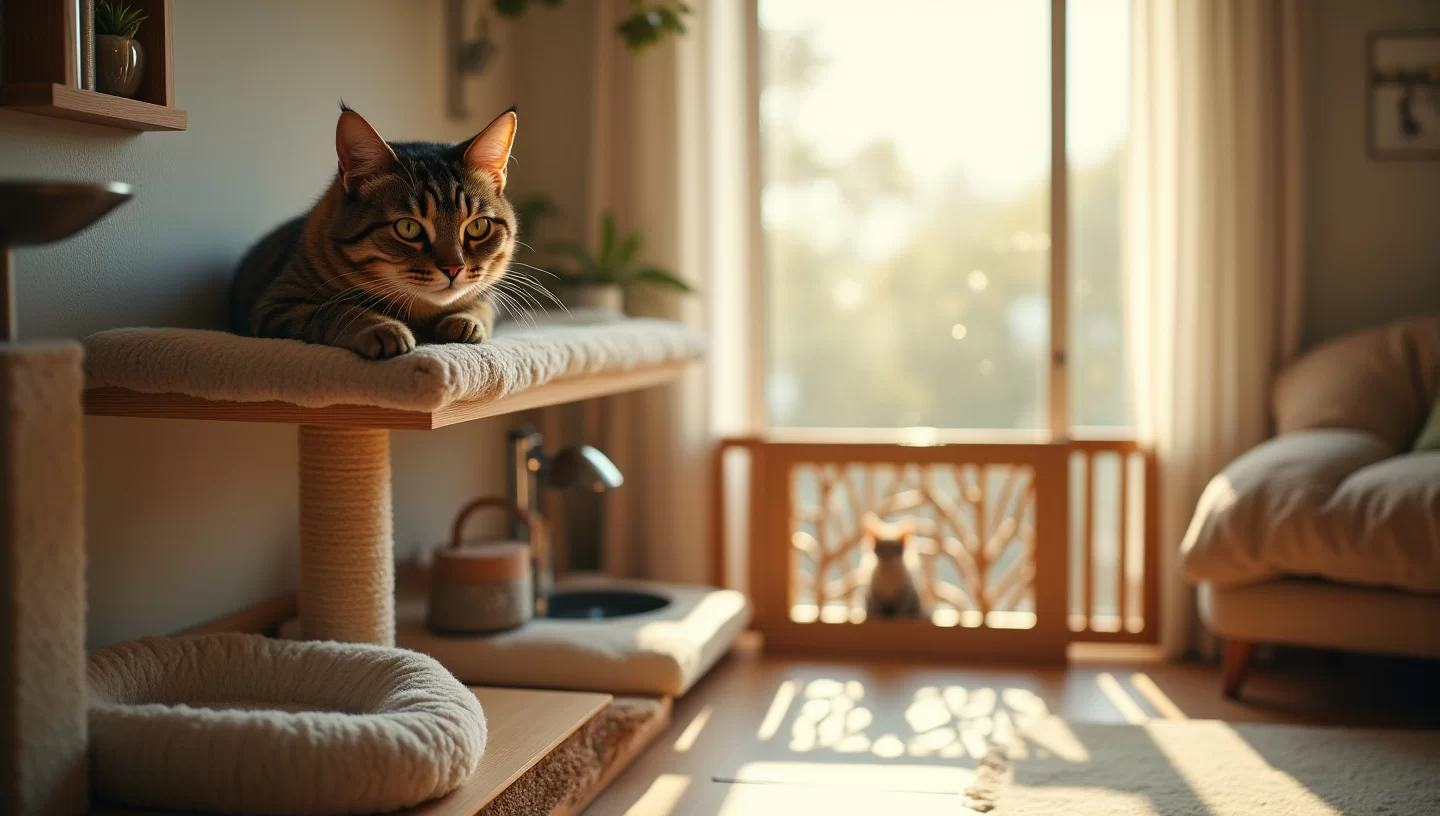
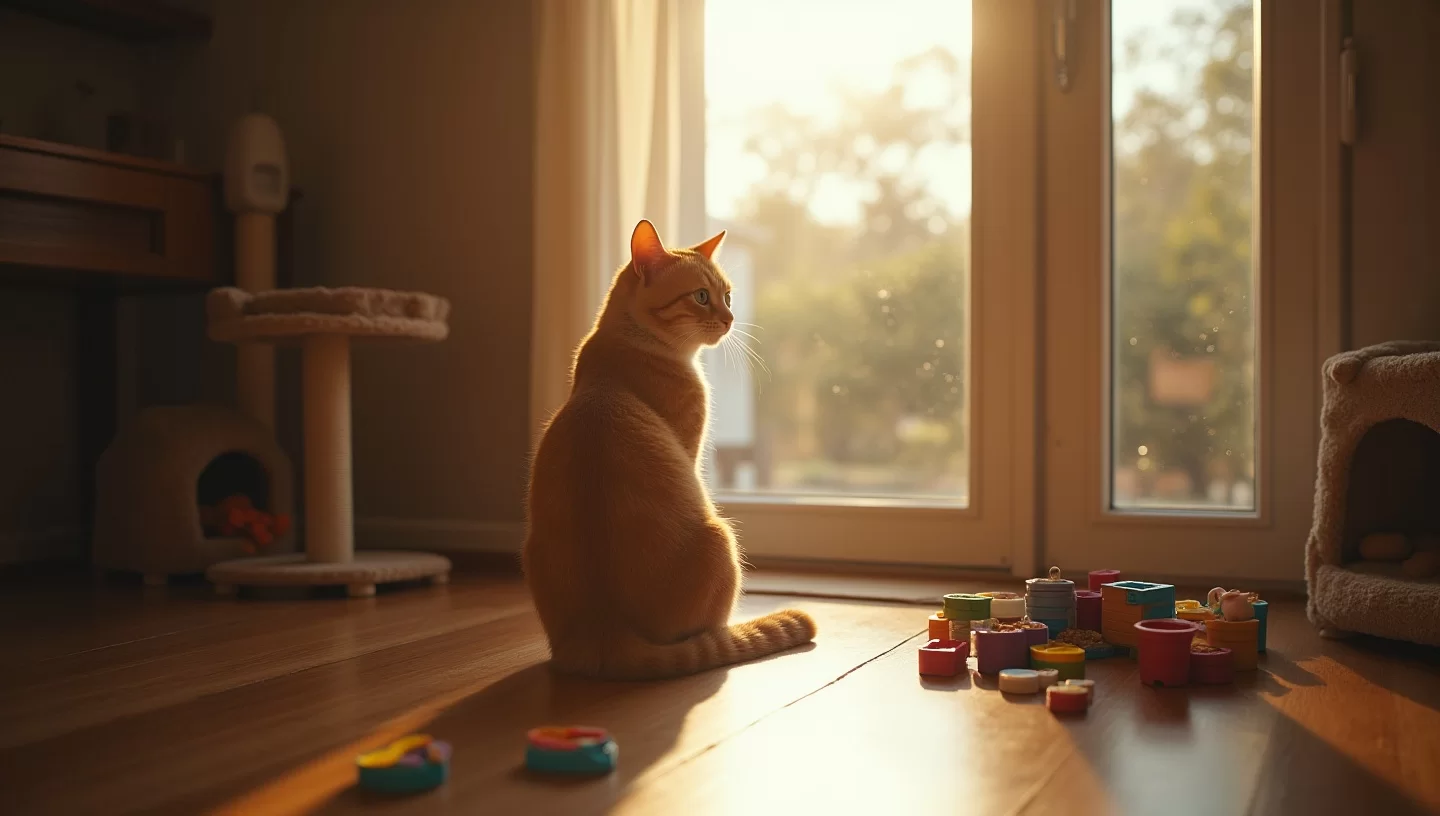
Environmental enrichment is another essential tool. Cats need outlets for their natural behaviors — climbing, scratching, hiding, and hunting. Providing scratching posts, vertical spaces like cat trees or shelves, puzzle feeders, and interactive toys can reduce stress by giving the cat a sense of control over their environment.
For cats experiencing acute anxiety — such as during a move or after a frightening event — calming products may offer temporary relief. Synthetic pheromone diffusers like Feliway mimic the facial pheromones cats use to mark safe territory. Calming treats containing L-theanine or colostrum can take the edge off for some cats, though results vary.
The physical setup of a home can either support or undermine a cat's sense of safety. Key principles include providing multiple resources, ensuring escape routes, and respecting the cat's need for solitude.
In multi-cat households, the rule of thumb is to have one litter box per cat plus one extra, placed in separate locations. Food and water bowls should also be spaced apart and not placed near the litter box. Cats naturally avoid eating where they eliminate, and forcing them to do so can cause stress.
Quiet hiding spots are crucial. A cardboard box with a blanket, a covered cat bed, or even a quiet closet with the door slightly ajar can give an anxious cat a safe retreat. Cats prefer to observe their environment from elevated perches, so window perches or cat trees placed near windows offer both security and stimulation.
Professional Help and Treatment Options
If behavioral changes and environmental adjustments are not enough, professional help should be sought. A veterinarian can rule out medical causes and may recommend a veterinary behaviorist for complex cases.
In some situations, medication is appropriate. Selective serotonin reuptake inhibitors (SSRIs) like fluoxetine, as well as other anxiolytic medications, are sometimes prescribed for cats with moderate to severe anxiety. These are not a first-line treatment, but they can be life-changing for cats whose quality of life is significantly impaired. Medication is most effective when used in combination with environmental modification and behavior modification techniques.
A veterinary behaviorist can also help design a desensitization and counterconditioning plan. This involves gradually exposing the cat to a mild version of the trigger while pairing it with something positive, such as treats or play, so the cat learns to associate the trigger with a good outcome rather than fear.
Products That May Support a Calmer Cat
Several products on the market are designed to support feline emotional well-being. While none replace veterinary care or environmental changes, they can be useful tools in a comprehensive anxiety management plan.
Pheromone diffusers and sprays, such as Feliway, are widely available at pet retailers including Chewy, Petco, and Amazon, with prices typically ranging from $20 to $35 for a diffuser starter kit. Calming collars infused with pheromones or herbal ingredients offer a portable option for cats who tolerate wearing collars.
Calming treats and supplements are another option. Brands like NaturVet, VetriScience, and Zesty Paws offer chews containing ingredients such as L-theanine, thiamine, and chamomile. Prices generally range from $10 to $25 for a container of 60 to 120 treats. These are best used for situational anxiety, such as vet visits or car rides, rather than as a standalone treatment for chronic anxiety.
Weighted blankets designed for cats, calming music playlists, and even feline-specific compression wraps can also provide comfort for some cats. Response to these products is highly individual, so it helps to introduce them gradually and observe the cat's reaction.
Anxiety in cats is real, and it is far more common than many cat parents realize. The good news is that with patience, observation, and the right combination of environmental support and professional guidance, most anxious cats can learn to feel safe again. The goal is not to eliminate every stressor from a cat's life — that is neither possible nor natural. Instead, the goal is to equip the cat with the tools and environment they need to cope with stressors without becoming stuck in a cycle of fear. Paying attention to the subtle signs, ruling out medical issues first, and making thoughtful adjustments to the home environment are all steps that respect the cat's nature while supporting their emotional health.