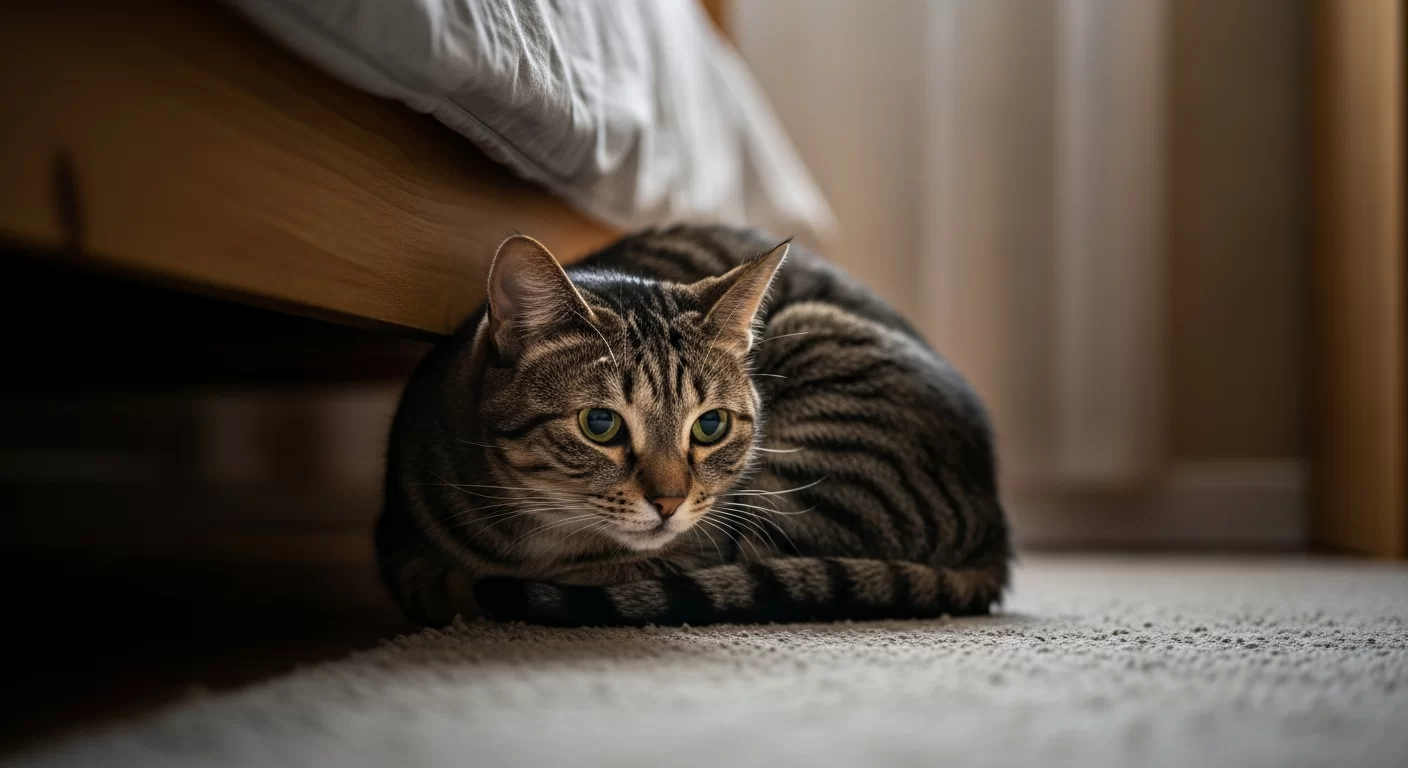
Is your cat suddenly hiding under the bed, hissing at a housemate, or refusing to use the litter box? You might wonder whether she is in physical pain or feeling anxious. This confusion is common because both pain and anxiety trigger similar survival instincts—freezing, fleeing, or fighting. Yet the underlying cause determines what kind of help your cat actually needs. Treating anxiety when pain is present can delay relief and even worsen suffering, while assuming pain when anxiety is driving the behavior may lead to unnecessary stress and medication side effects. Understanding the difference is not just about accuracy; it is about giving your cat the right care at the right time.
In This Article
- The Fastest Way to Tell Pain From Anxiety
- Why These Behaviors Are Often Confused
- Signs That More Often Point to Physical Pain
- Signs That More Often Point to Anxiety
- Where the Two Conditions Overlap
- What Happens When the Wrong Assumption Is Made
- When Veterinary Attention Should Not Wait
The Fastest Way to Tell Pain From Anxiety
Why These Behaviors Are Often Confused
Pain and anxiety share many outward signs because the feline nervous system processes both through similar pathways. According to the International Cat Care organization, a cat in pain may become withdrawn, aggressive, or stop grooming—all behaviors that also appear in anxious cats. The confusion deepens because cats mask pain as a survival instinct; subtle changes like decreased play interest or sleeping in new spots can be misread as “moodiness” or “fearfulness.” Additionally, chronic pain can itself induce secondary anxiety, creating a mixed picture. Without a structured observation, even experienced owners and veterinarians can struggle to separate the two.
Signs That More Often Point to Physical Pain
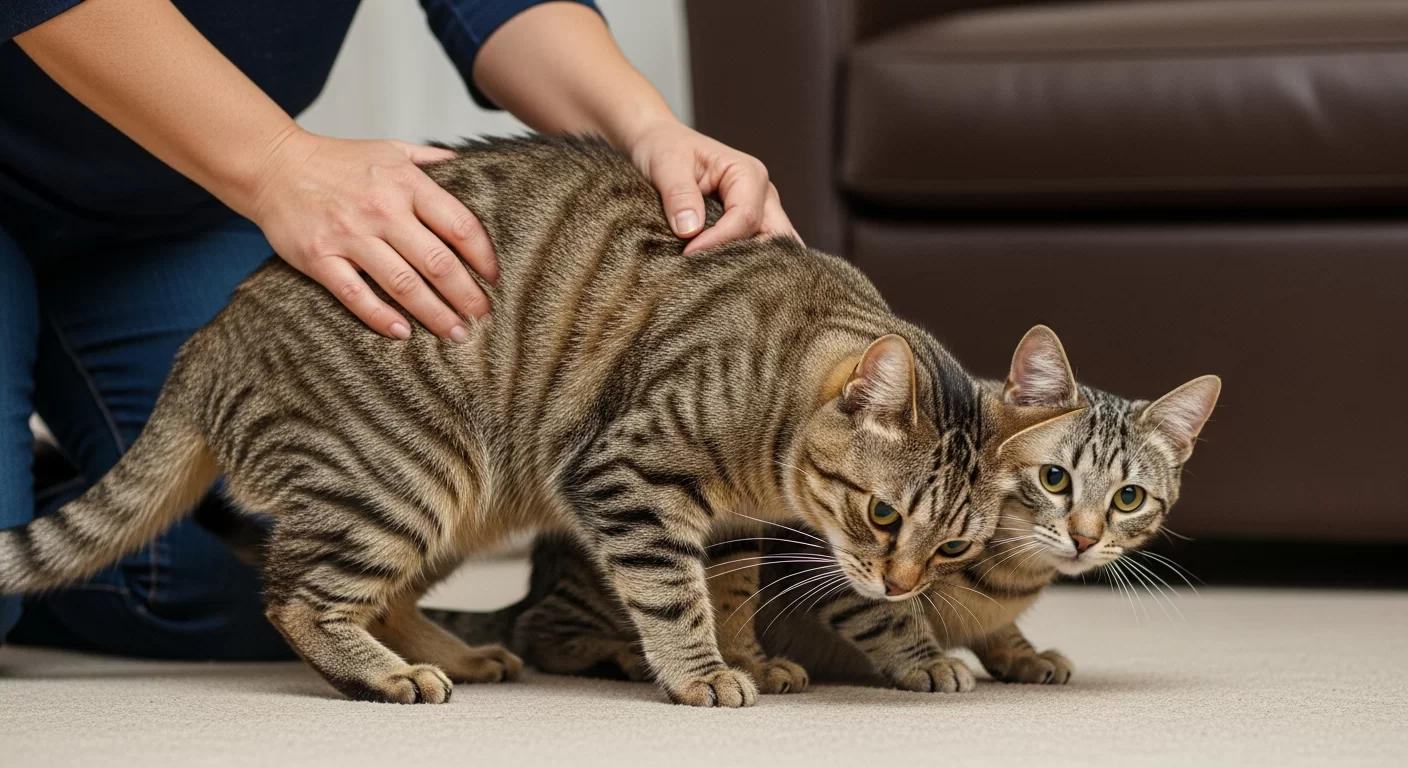
When pain is the primary driver, the cat’s body and movement usually provide the strongest evidence. Look for changes in posture (hunched back, tucked abdomen, head lowered), reluctance to jump, stiffness when rising, limping, or excessive licking at a specific joint or area. The Cornell Feline Health Center notes that facial expressions also shift: a painful cat often squints, has flattened ears, or shows a tense muzzle. Changes in litter box habits—such as urinating outside the box—can indicate arthritis or urinary tract pain. The table below summarizes common signs and their typical association.
| Behavior | More Likely Pain | More Likely Anxiety |
|---|---|---|
| Hiding | Pain-related hiding often occurs in dark, quiet places and lasts for hours. | Anxiety-related hiding is often triggered by specific events (visitors, noise) and recedes when trigger ends. |
| Aggression | Guarding a painful body part; may hiss or swat when touched. | Aggression toward unfamiliar people or animals; may occur during sudden changes. |
| Vocalization | Yowling, groaning, or crying when moving or being handled. | Yowling, meowing, or howling at specific times (e.g., when owner leaves). |
| Grooming changes | Overgrooming a painful area (hot spot); or stopped grooming due to pain. | Overgrooming on flanks or belly (symmetrical) due to stress; or stopped grooming from depression. |
| Litter box issues | Painful to assume posture; avoids box; urinates in easy-access spots. | Stress-related marking or avoidance due to negative experiences (e.g., being startled while using box). |
Interpreting this table requires context: a single sign rarely confirms the cause. For instance, a cat with arthritis may also be anxious about jumping onto a painful surface. Observe multiple behaviors together and note their onset.
Signs That More Often Point to Anxiety
Anxiety in cats often shows itself through repetitive, stress-driven actions that lack a clear physical trigger. Common signs include excessive grooming that leads to bald patches (especially on the abdomen or inner thighs), pacing, restlessness, overeating or undereating, and clinginess or avoidance of familiar people. The American Society for the Prevention of Cruelty to Animals (ASPCA) highlights that anxious cats may also spray urine on vertical surfaces, scratch furniture more intensely, or develop obsessive-compulsive behaviors like tail chasing. Unlike pain, these signs frequently appear in predictable contexts—such as after a move, during a thunderstorm, or when a new pet is introduced. The cat’s body language often includes dilated pupils, a twitching tail, and flattened ears that rotate backward.
Where the Two Conditions Overlap
Some behaviors are so commonly shared that they cannot be used alone to distinguish pain from anxiety. Hiding is the most obvious example: a cat with severe arthritis may hide because moving hurts, while a frightened cat hides to feel safe. Changes in appetite—eating less or more—can result from both pain (nausea, mouth discomfort) and anxiety (stress-induced anorexia or emotional eating). Likewise, increased sleep or lethargy can reflect physical exhaustion from chronic pain or the emotional fatigue of persistent anxiety. The American Association of Feline Practitioners (AAFP) recommends using a behavior diary to record the time, environment, and body language around each episode. When overlap persists, a veterinary examination becomes essential to rule out underlying medical issues before diagnosing a behavioral problem.
What Happens When the Wrong Assumption Is Made
When Veterinary Attention Should Not Wait
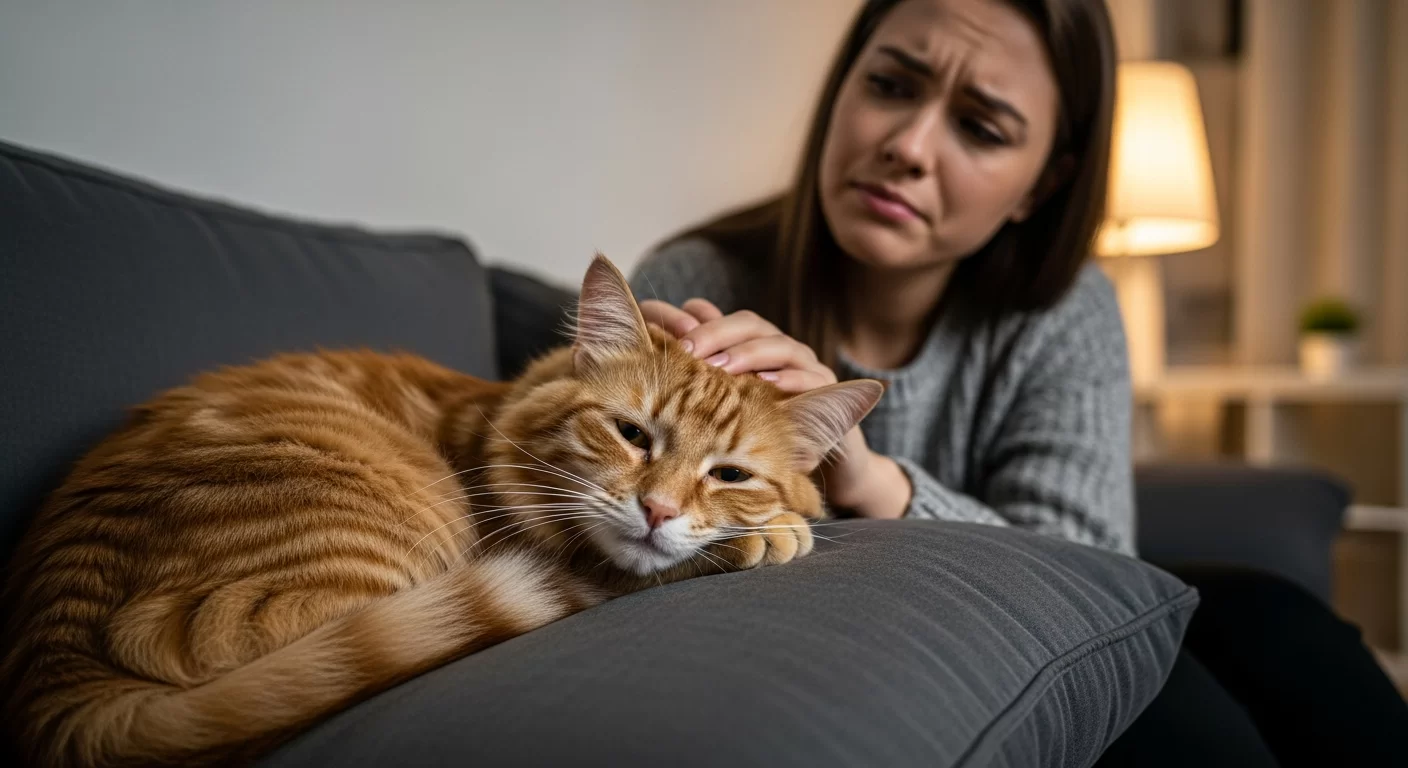
Certain behaviors demand immediate professional assessment, regardless of whether you suspect pain or anxiety. Seek veterinary care if your cat stops eating or drinking for more than 24 hours, shows extreme lethargy, is unable to urinate or defecate, has a visible injury or swelling, is crying in pain when touched, or becomes suddenly aggressive toward family members. The AVMA recommends that any abrupt behavior change—especially in a senior cat—be treated as a medical emergency until proven otherwise. Early intervention not only relieves suffering but also prevents secondary anxiety from taking hold. Your veterinarian may use a combination of physical exam, bloodwork, imaging, and behavior history to separate the two causes and create a targeted treatment plan.
Recognizing the difference between pain and anxiety in your cat is rarely straightforward, but careful observation of timing, context, and specific body signals will guide you. Trust your instincts when something seems off—cats are masters of hiding discomfort, and an owner’s intuition often catches the earliest clues. Document what you see, share it with your veterinarian, and remember that treating pain first usually clarifies whether anxiety is a separate issue or a consequence of unrelieved physical suffering. Your attentiveness is the most powerful tool your cat has.