Bringing a new pet into a home where a resident cat already lives can feel like navigating a diplomatic crisis. While many households hope for an instant bond, the reality is often more nuanced, especially when that resident cat carries a history of anxiety. Fear of the unfamiliar—neophobia—is a deeply ingrained survival instinct in felines. An anxious cat doesn’t just dislike change; it perceives new scents, sounds, and presences as potential threats. Rushing an introduction can backfire, leading to territorial aggression, hiding, stress-related illness, or long-term resentment between animals. Yet with careful planning and a deep understanding of feline psychology, a harmonious household is entirely achievable. This guide walks through the science of feline anxiety, the step-by-step process for a safe introduction, and the common pitfalls that can undo weeks of progress.
In This Article
- How Anxiety Shapes a Cat’s Response to Change
- The Pre-Introduction Phase: Building a Sanctuary
- Step-by-Step Introduction Protocol
- Common Mistakes That Derail Progress
- When to Seek Professional Help
- Long-Term Management for a Peaceful Multi-Pet Home
How Anxiety Shapes a Cat’s Response to Change
An anxious cat lives in a state of heightened vigilance. The amygdala—the brain’s fear center—remains on constant alert, making neutral stimuli feel threatening. This is not a personality flaw; it is a survival adaptation. According to the Cornell Feline Health Center, cats rely heavily on scent and routine to feel safe. A new pet introduces unfamiliar pheromones, vocalizations, and body language that the anxious cat cannot immediately decode. The result is neophobia: a fear response that can manifest as hissing, swatting, freezing, or escape attempts.
Understanding this neurobiology helps owners reframe the behavior. The cat is not being “difficult.” It is trying to protect itself. A forced face-to-face meeting, even under supervision, can overwhelm an already fragile nervous system. The goal of introduction is not to force friendship, but to create a predictable environment where the cat can gradually learn that the new pet is not a threat. This process relies on desensitization and counter-conditioning—techniques widely recommended by veterinary behaviorists.
The Pre-Introduction Phase: Building a Sanctuary
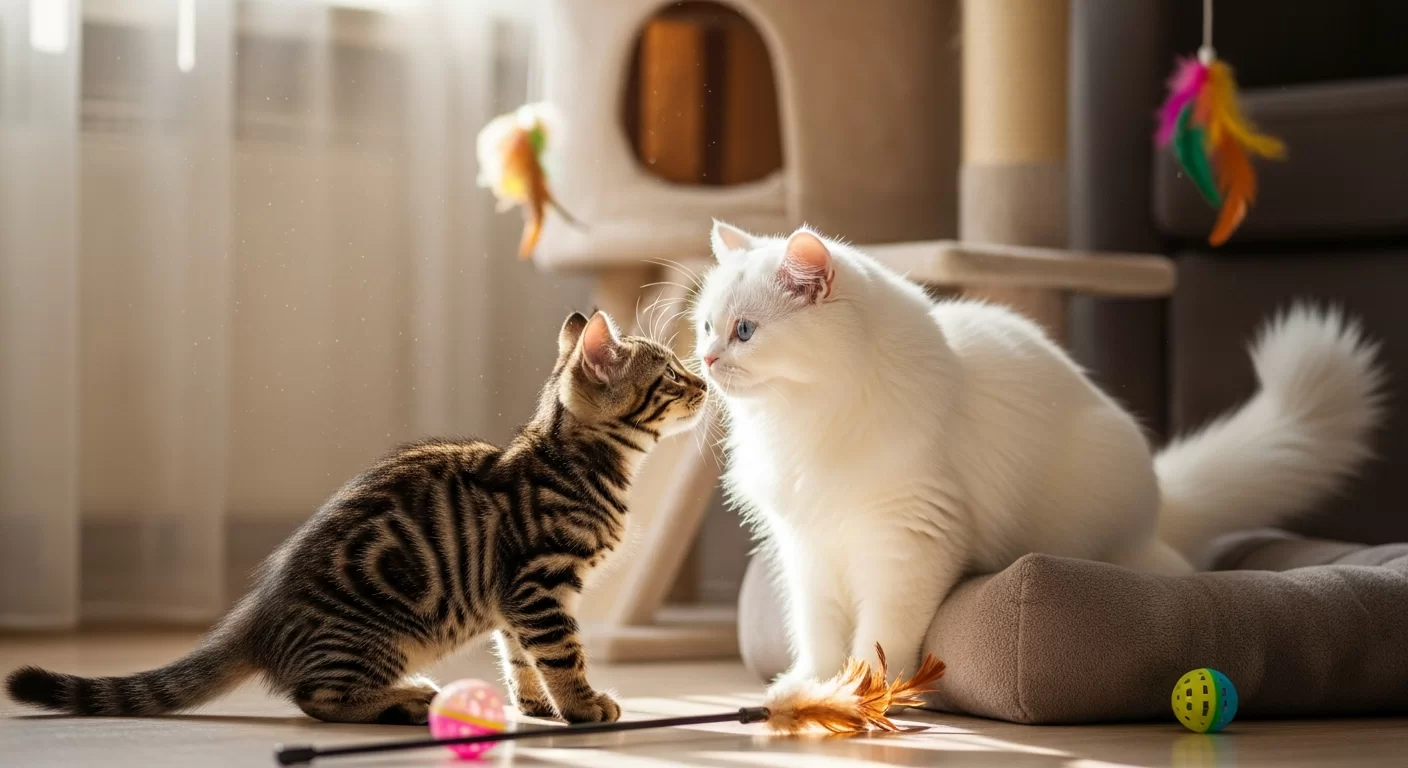
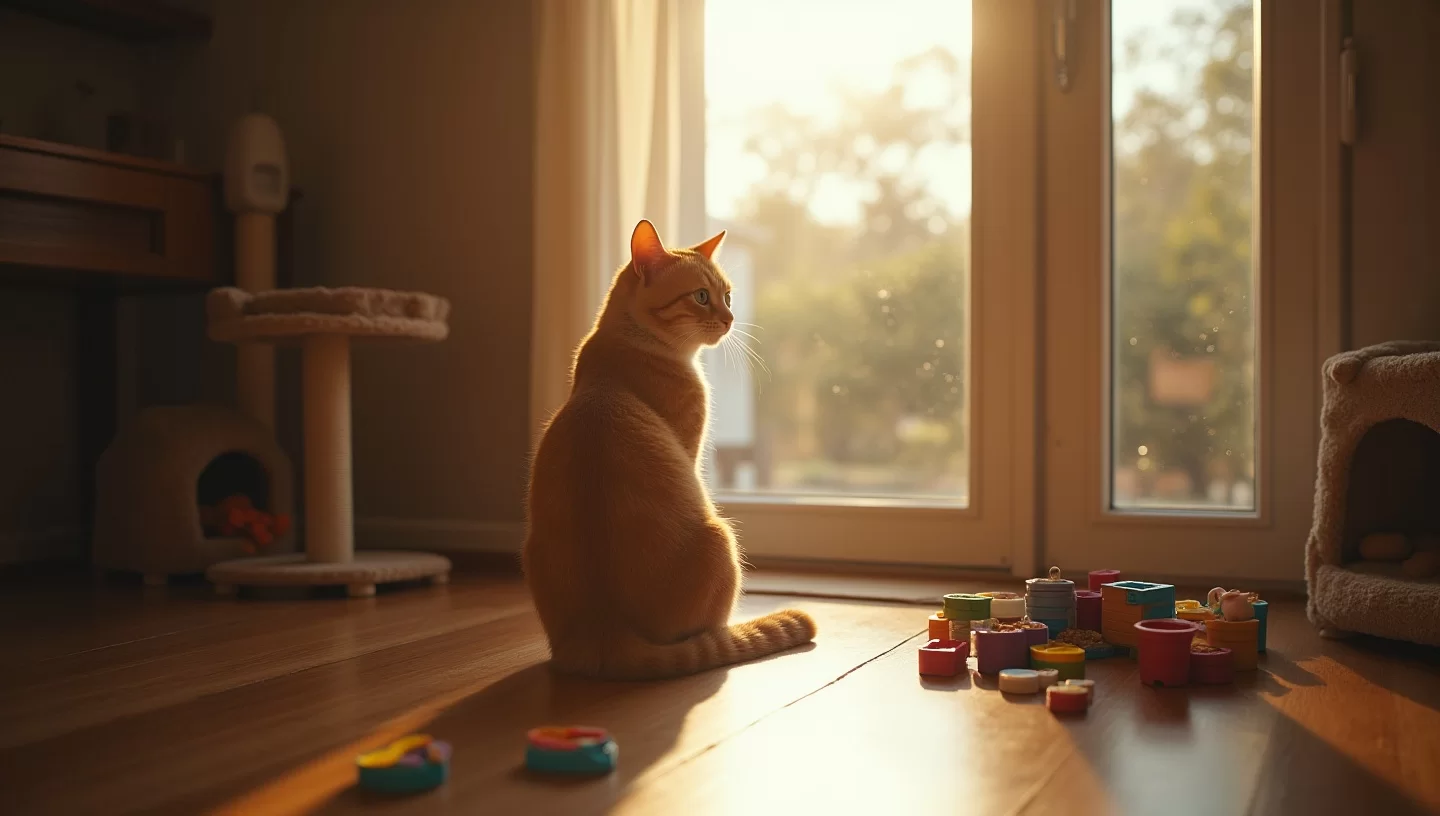
Before the new pet ever crosses the threshold, the resident cat needs a safe zone that will remain undisturbed throughout the introduction period. This space should contain everything the cat needs: food, water, litter box, hiding spots (like a covered cat bed or cardboard box), scratching posts, and vertical territory such as cat trees or shelving. The room should be positioned away from high-traffic areas and the door kept closed.
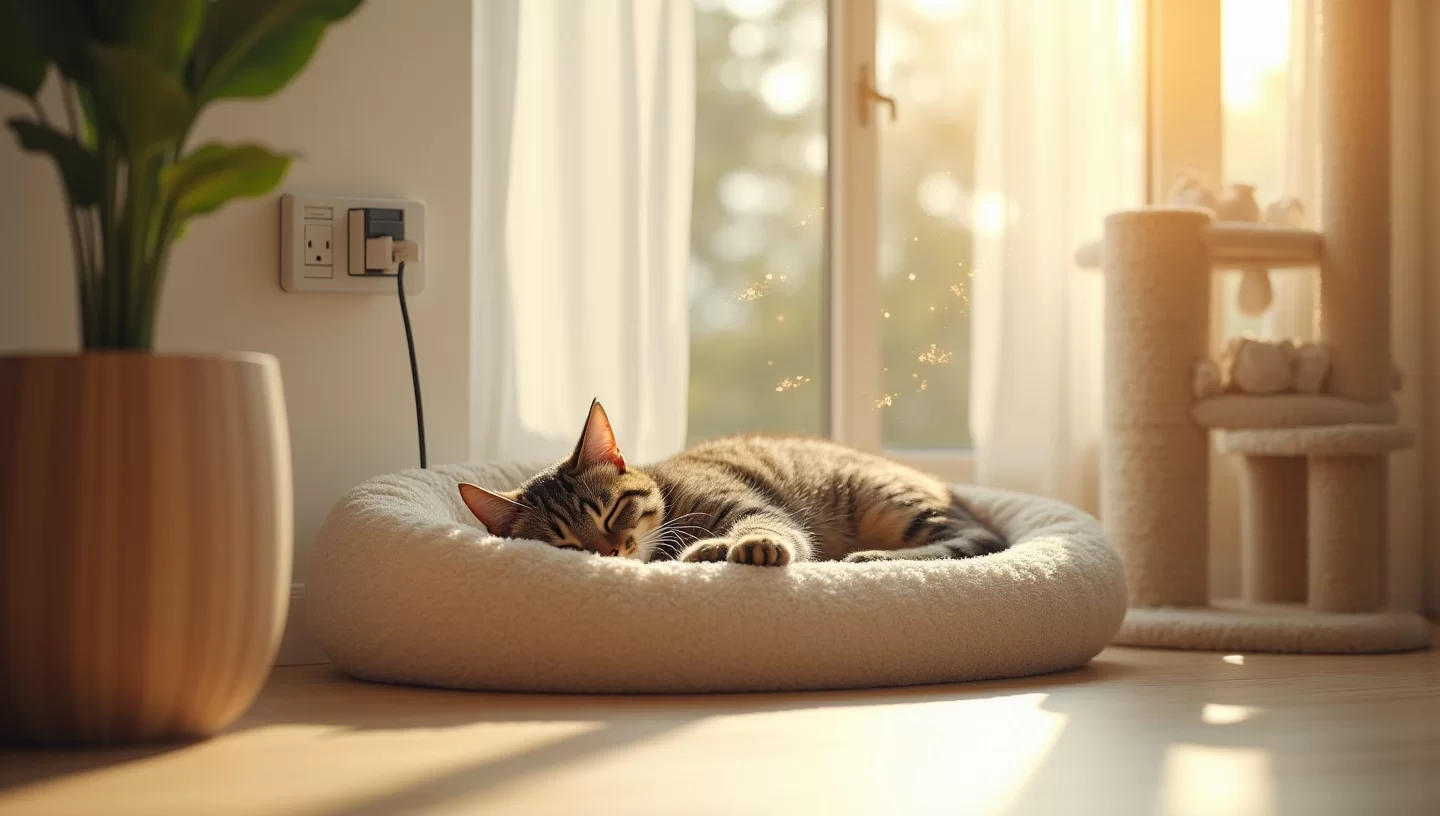
During this phase, owners can prepare the cat by using synthetic feline facial pheromone diffusers (such as Feliway) in the sanctuary. Multiple studies, including one published in the Journal of Feline Medicine and Surgery, have shown that these products reduce stress-related behaviors in multi-cat households. The diffuser should be plugged in at least 48 hours before the new pet arrives.
It is also helpful to begin scent swapping a few days before the move. Rub a soft cloth on the resident cat’s cheeks—where scent glands release comforting pheromones—and place it near where the new pet will sleep. Then do the reverse: bring home a cloth that has the new pet’s scent (from the breeder or shelter) and place it near the resident cat’s food bowl. This builds a positive association with the unfamiliar smell.
Step-by-Step Introduction Protocol
Stage 1: Scent-Only Contact
No visual contact is allowed in the first stage. Each animal should remain in its own separate space. Continue scent swapping daily, and also swap bedding or toys. Feed both animals on opposite sides of the closed door so they associate the other’s scent with a positive experience (mealtime). If the anxious cat refuses to eat near the door, move the bowl further away and gradually inch it closer over several days.
Stage 2: Visual Contact Through a Barrier
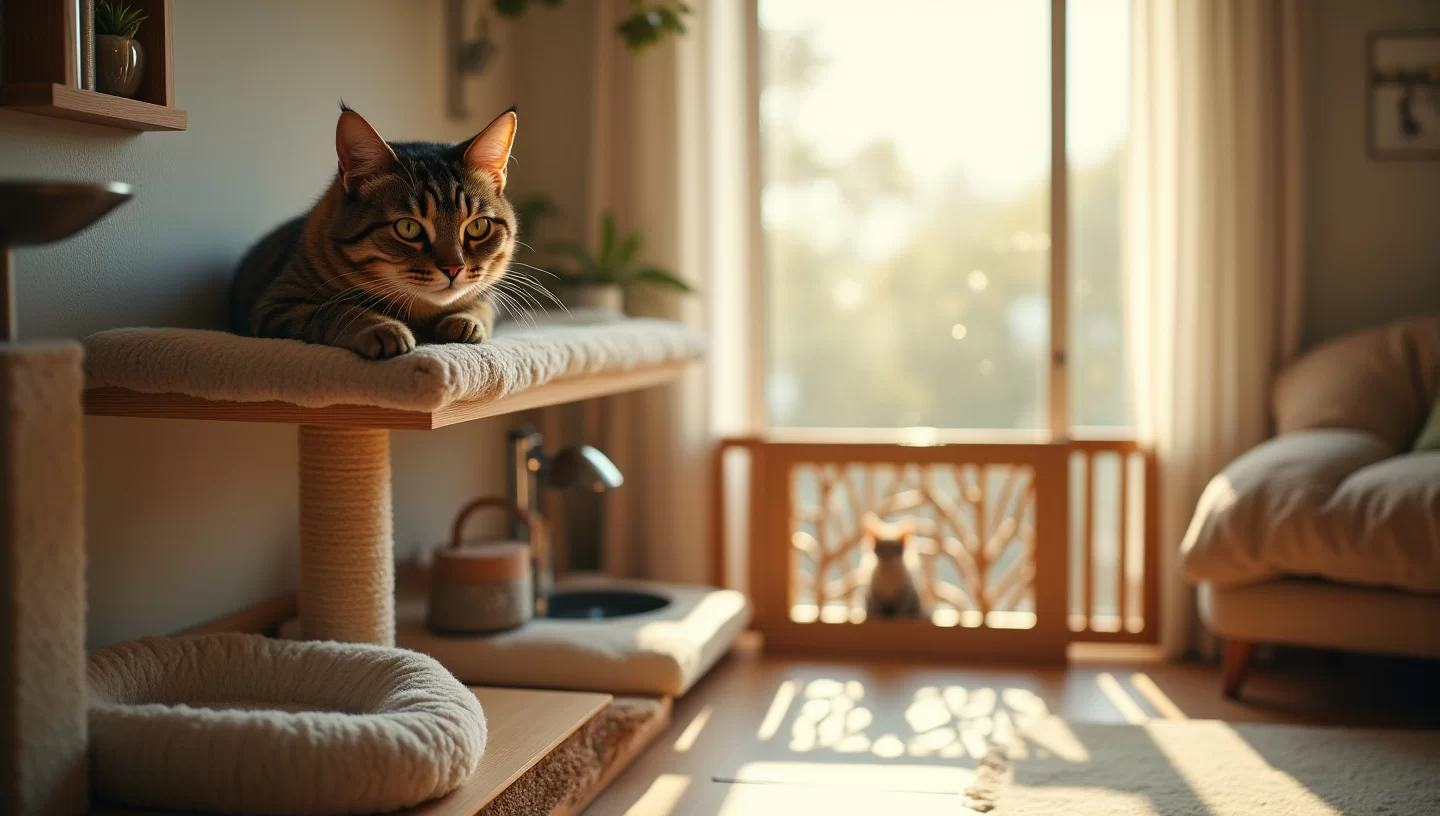
Once both animals can eat calmly within a few feet of the closed door, allow visual contact using a barrier such as a baby gate, a glass door, or a crack in the door held open with a doorstop. The barrier must be secure enough that neither animal can push through. At this stage, the goal is to see without the risk of direct contact. Pair this exposure with treats, play, or brushing to keep the experience positive.
Stage 3: Controlled Face-to-Face Introductions
When both animals seem relaxed or curious during visual sessions—no hissing, growling, or piloerection (raised fur)—it is time for short, supervised meetings. Use a harness and leash on the new pet (if a cat or small dog) and keep the resident cat free to retreat. Let the anxious cat control the distance. Sessions should last only a few minutes and end before tension escalates. Gradually increase duration over several days or weeks.
Stage 4: Unsupervised Access
Only after both animals have shown consistent relaxed behavior—eating, playing, or sleeping within sight of each other—can unsupervised access be allowed. This stage may take weeks or even months depending on the resident cat’s anxiety level. A good rule of thumb: if either animal displays fear or aggression during Stage 3, return to Stage 2 and slow down.
Common Mistakes That Derail Progress
Rushing is by far the most frequent error. Owners often misinterpret “tolerance” as “friendship.” A cat that sits stiffly across the room with dilated pupils may appear calm but is actually freezing in fear. Introducing before the cat is ready sets back progress and can create a permanently hostile dynamic.
Another mistake is punishing the anxious cat for hissing or swatting. These are communication signals, not defiance. Punishment increases stress and can make the cat associate the new pet with pain. Instead, interrupt the tension with a distraction—a treat, a toy, or a call to another room—and reset the distance.
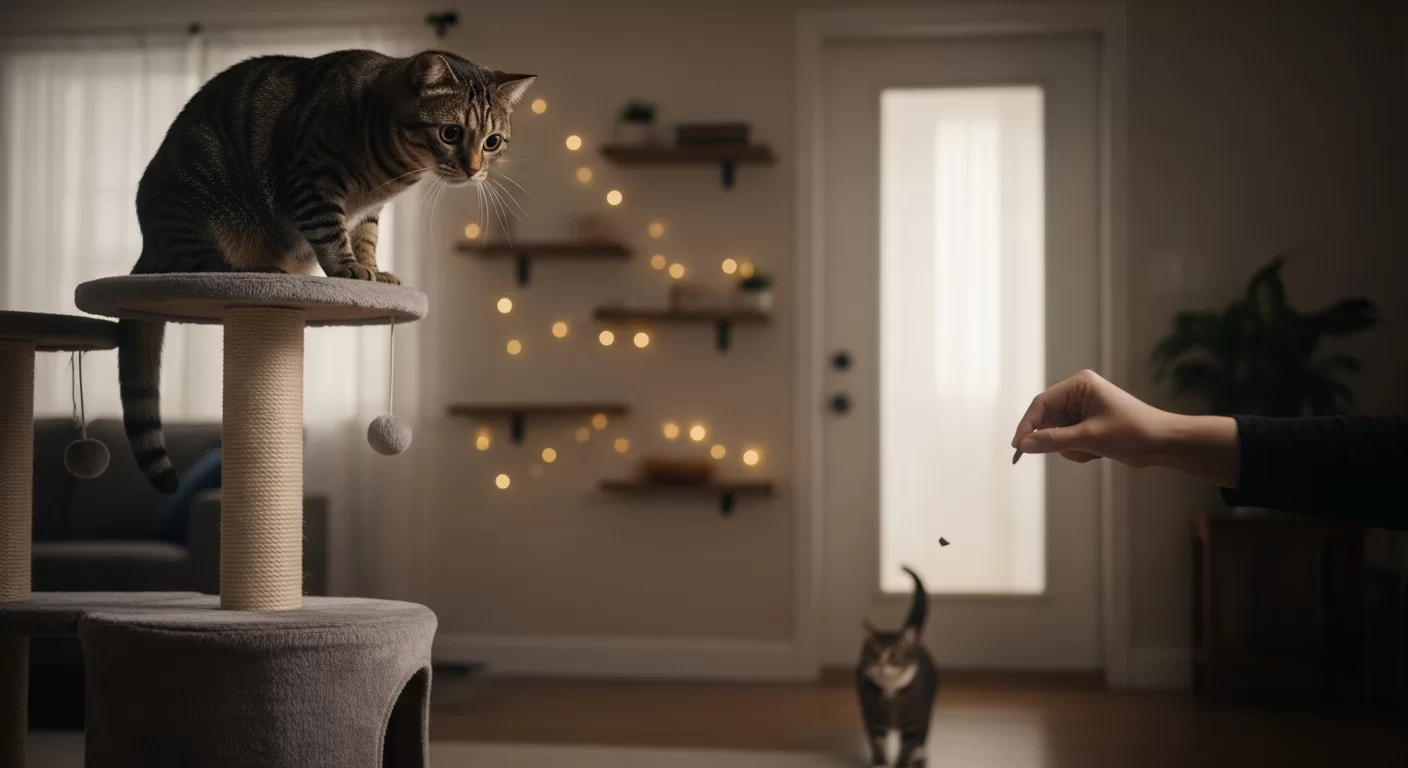
Neglecting vertical space is also common. Cats feel safer when they can observe from above. Without cat trees or shelves, the anxious cat may feel trapped and cornered. The American Association of Feline Practitioners recommends at least one vertical escape route per cat in a multi-pet household.
Finally, failing to give the resident cat attention one-on-one can trigger jealousy and regression. Dedicate at least 15 minutes of solo play or lap time each day to the anxious cat, away from the new pet, to reinforce that its position in the home is not threatened.
When to Seek Professional Help
Most introductions succeed with patience, but some cases require expert intervention. Signs that professional help is needed include:
- Persistent aggression (biting, scratching, chasing) beyond the first two weeks of controlled meetings
- Stress-related illness: the anxious cat stops eating, vomits, develops diarrhea, or begins urinating outside the box
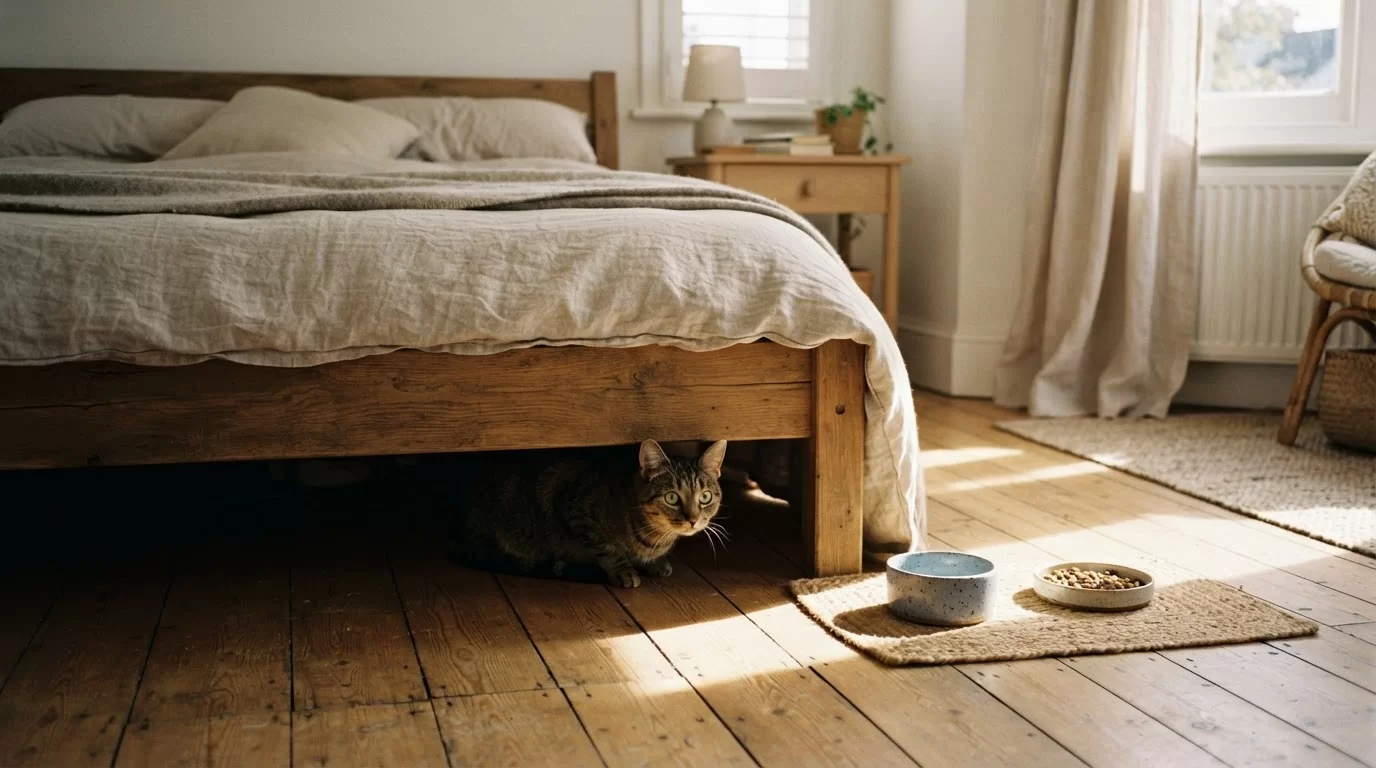
- Extreme hiding lasting more than a week with no improvement
- Owner or animal injuries due to fighting
A boarded veterinary behaviorist (DACVB) or a certified cat behavior consultant (IAABC) can create a tailored plan using medication, environmental modification, and advanced behavior modification techniques. In some cases, prescription anti-anxiety medications such as fluoxetine or gabapentin may be necessary to lower the cat’s baseline stress enough for behavioral work to be effective. Always consult a veterinarian before starting any medication.
Long-Term Management for a Peaceful Multi-Pet Home
Once the animals are coexisting without distress, the work is not over. Preventing relapse requires ongoing environmental enrichment and routine consistency. Consider the following:
| Strategy | Purpose | Examples |
|---|---|---|
| Multiple resource stations | Reduce competition | Separate food bowls, water fountains, litter boxes (N+1 rule) |
| Daily play sessions | Burn off stress and build positive associations | Wand toys, laser pointers, food puzzles |
| Vertical territory | Provide escape and observation points | Cat trees, wall shelves, window perches |
| Calming aids | Support emotional stability | Pheromone diffusers, calming treats, soothing music |
| Routine predictability | Lower anxiety triggers | Consistent feeding, play, and bedtime schedules |
The N+1 rule for litter boxes—one per cat plus one extra—is particularly important in anxious households. A conflicted cat may avoid a box that smells like another animal, leading to inappropriate elimination. The ASPCA advises placing boxes in quiet, low-traffic spots and scooping them daily.
For owners who want to add a third or fourth pet in the future, the same protocol applies—but successive introductions often require less time because the anxious cat has already formed positive expectations. Still, each new arrival must be treated as an independent event, not a continuation of the previous success.
Introducing a new pet to an anxious cat is not a race. It is a careful cooperation with the animal’s biology and emotional state. Every hiss is a message, every retreat a request for more time. Owners who listen to those signals—and respond with patience rather than pressure—create a home where even the most fearful feline can eventually extend a whisker of trust. The reward is not just a multi-pet household, but a deeper understanding of what it means to live alongside a creature whose survival instincts are as sharp as they are precious.