Cats are often described as independent companions, yet many develop strong emotional attachments to their people. When routines change, owners return to the office, or a household becomes quieter than usual, some cats struggle to adapt. What appears to be stubbornness, excessive meowing, furniture destruction, or litter box accidents may actually be anxiety.
Separation-related stress in cats has gained more attention in recent years. Veterinary behaviorists and organizations such as the American Association of Feline Practitioners (AAFP) increasingly recognize that cats can experience emotional distress when left alone, especially if they rely heavily on predictable social interactions.
Fortunately, anxiety is not a fixed personality trait. In many cases, environmental changes, structured training, enrichment activities, and veterinary guidance can significantly improve a cat’s quality of life. The key is understanding which interventions are likely to help and which signs suggest a deeper issue requiring professional support.
In This Article
- Understanding Cat Anxiety and Separation Anxiety
- A 10-Minute Checklist for Calming an Anxious Cat
- Why Some Anxiety Strategies Stop Working
- A Two-Week Separation Anxiety Training Plan
- When Veterinary Medication May Be Appropriate
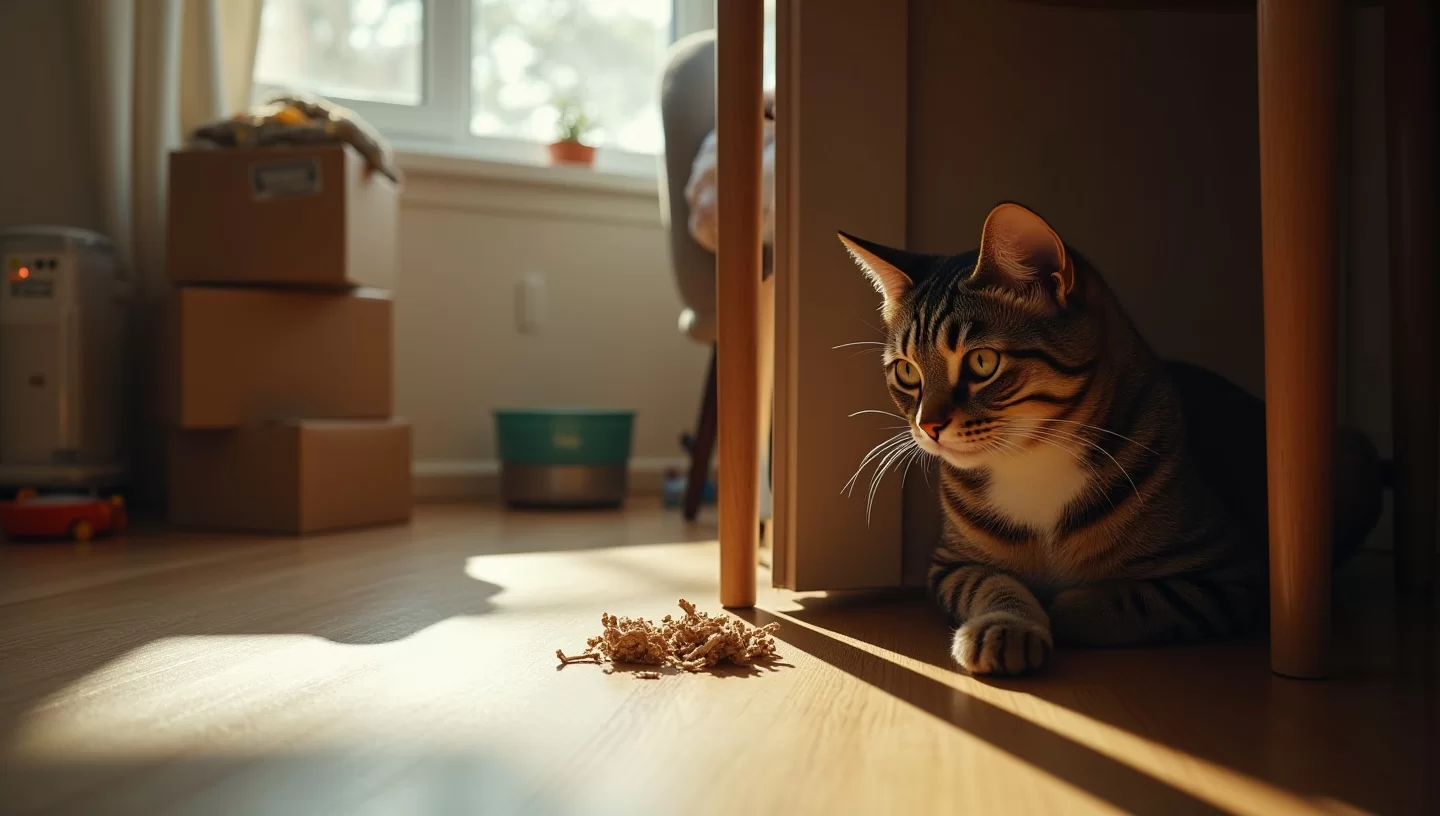
- Managing Destructive Behaviors and Furniture Damage
- Building Long-Term Emotional Security
Understanding Cat Anxiety and Separation Anxiety
Not every stressed cat has separation anxiety.
Cats can become temporarily anxious because of loud noises, guests, travel, new pets, moving house, or changes in routine. Separation anxiety is different because the distress is closely linked to the absence of a specific person or household member.
According to guidance from the Cornell Feline Health Center and International Cat Care, common signs may include:
- Excessive vocalization when owners leave
- Following people constantly around the house
- Destructive scratching near doors or windows
- Inappropriate urination or defecation
- Loss of appetite during periods alone
- Excessive grooming
- Restlessness before departures
The distinction matters because treatment strategies differ.
| Situation | General Stress | Separation Anxiety |
|---|---|---|
| Trigger | Environmental change | Owner absence |
| Duration | Usually temporary | Persistent or recurring |
| Behavior Pattern | Variable | Often begins before departures |
| Improvement | Adapts over time | Continues without intervention |
| Common Focus | Environment | Attachment-related behavior |
Cats experiencing true separation anxiety often show anticipatory stress long before an owner actually leaves. Picking up keys, putting on shoes, or grabbing a work bag may be enough to trigger visible discomfort.
A 10-Minute Checklist for Calming an Anxious Cat
When anxiety symptoms appear, dramatic interventions are rarely necessary at first. Small environmental adjustments often provide immediate relief.
Before Leaving Home
A predictable departure routine helps reduce uncertainty.
Avoid:
- Long emotional goodbyes
- Excessive reassurance
- Sudden departures after intense attention
Instead:
- Keep departures calm
- Maintain consistent timing
- Offer enrichment before leaving
Create a Safe Territory
Cats feel safer when they can control their surroundings.
Helpful additions include:
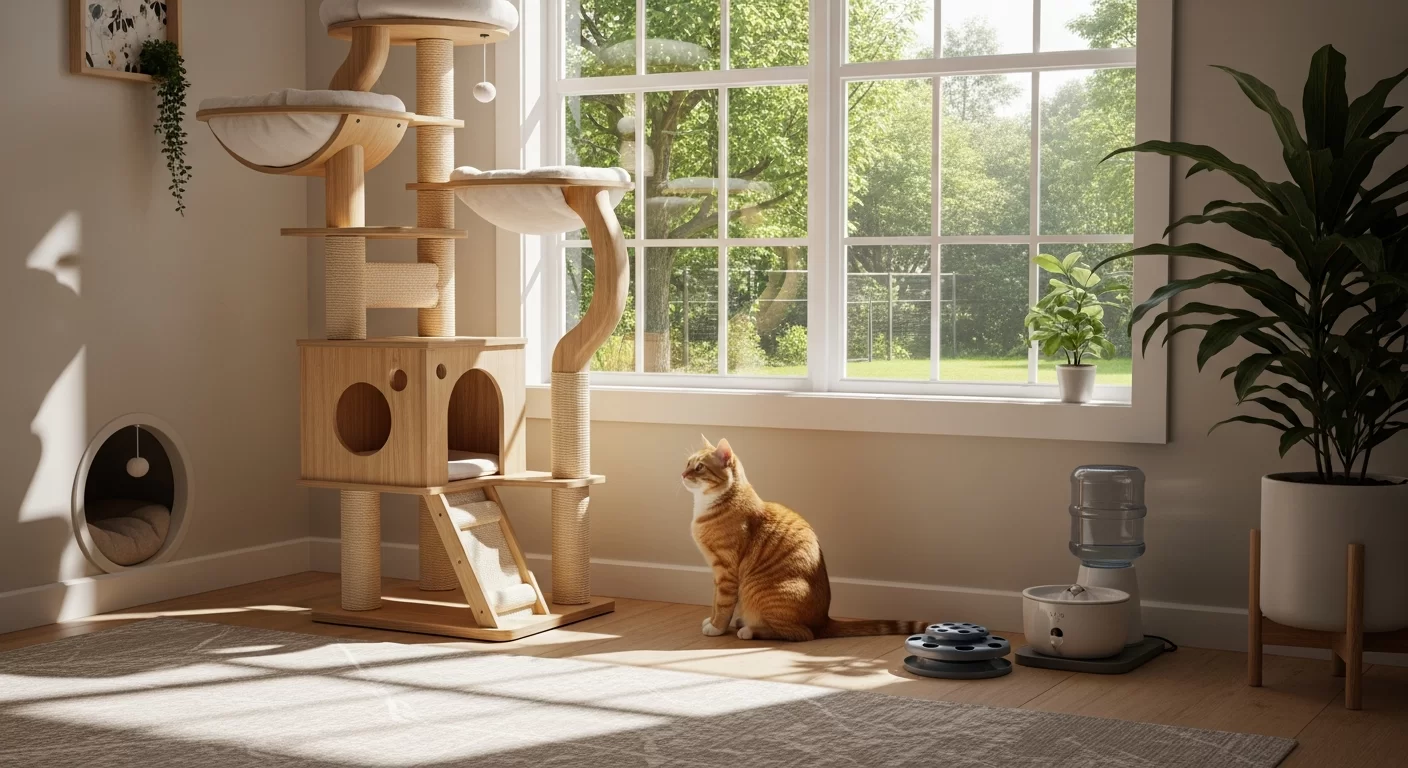
- Elevated cat trees
- Window perches
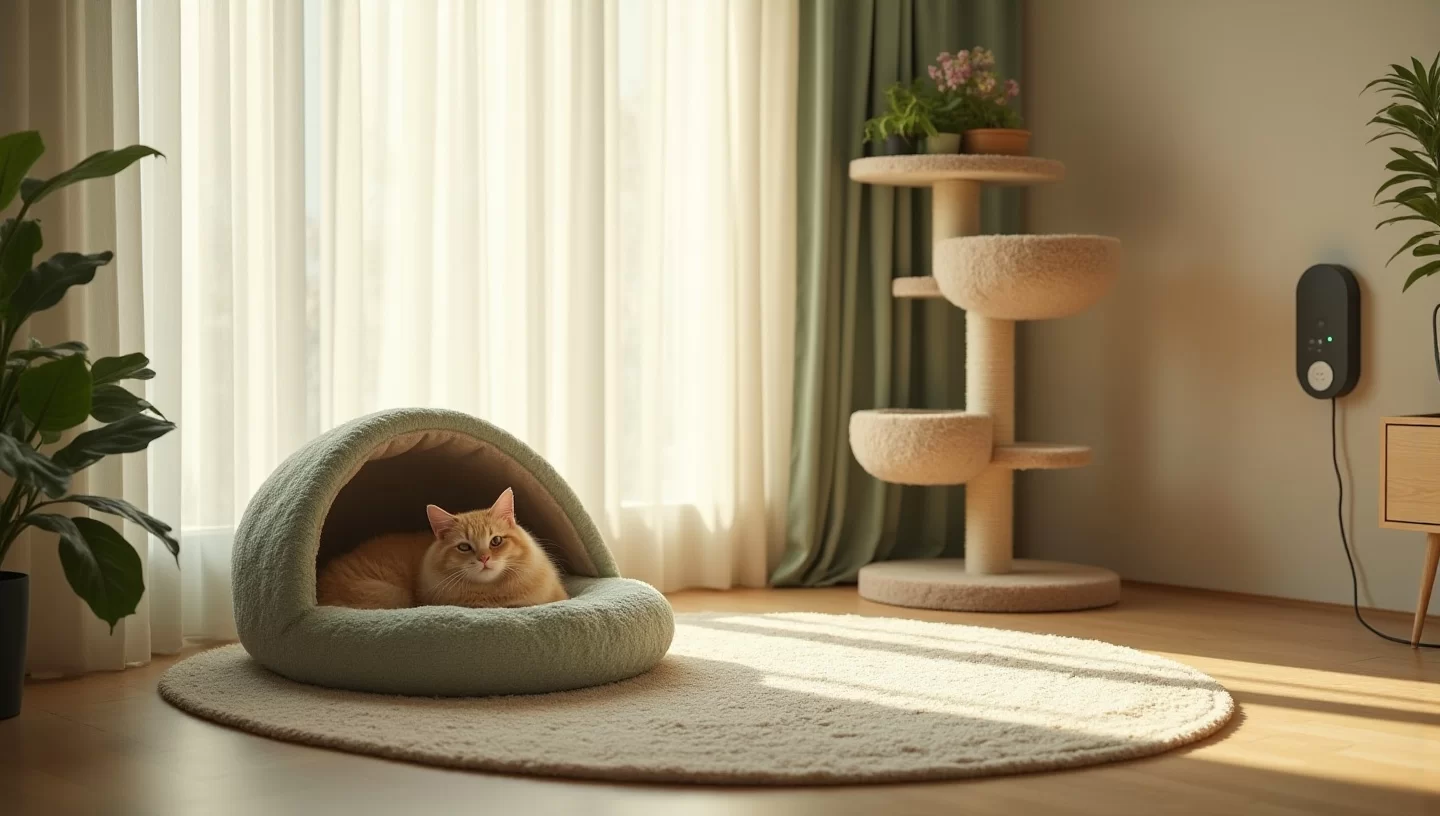
- Covered beds
- Quiet resting areas
Research from International Cat Care consistently highlights vertical space as one of the most effective stress-reduction tools for indoor cats.
Increase Mental Enrichment
An under-stimulated cat is more likely to focus on anxiety triggers.
Examples include:
- Puzzle feeders
- Treat-dispensing toys
- Rotating toys weekly
- Food scavenger hunts
Even five minutes of problem-solving activity can redirect nervous energy.
Consider Synthetic Pheromones
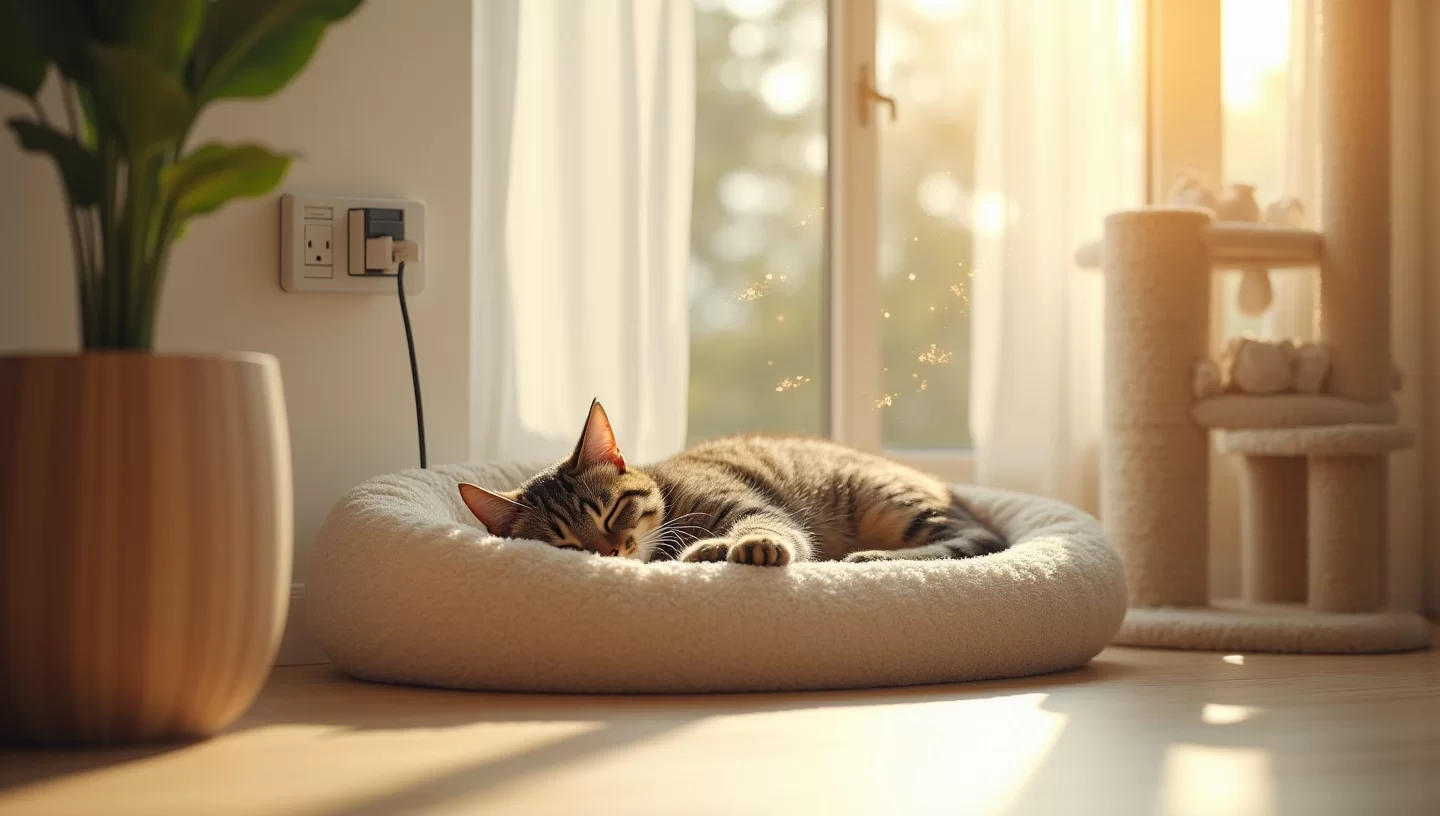
Products such as Feliway Classic use synthetic feline facial pheromones designed to promote feelings of familiarity and security.
While pheromone diffusers do not solve severe separation anxiety on their own, studies suggest they may reduce stress-related behaviors in some cats when combined with broader behavior modification strategies.
Schedule Interactive Play
Many anxious cats benefit from a short hunting-style play session before an owner leaves.
The ideal sequence:
- Chase
- Pounce
- Capture
- Small meal
This pattern mimics natural feline behavior and often encourages relaxation afterward.
Why Some Anxiety Strategies Stop Working
One of the most common frustrations among cat owners is that initial improvements suddenly disappear.

A cat that once responded well to enrichment toys or gradual training may return to excessive meowing, scratching, or hiding.
Several factors can explain this.
The Anxiety Is More Severe Than Expected
Mild stress often responds to environmental enrichment.
Moderate or severe separation anxiety frequently requires:
- Structured behavior plans
- Veterinary evaluation
- Medical intervention in some cases
The Training Progressed Too Quickly
Many owners unintentionally increase separation durations faster than their cat can tolerate.
A cat comfortable being alone for five minutes may not automatically tolerate two hours.
Behavioral progress is rarely linear.
Medical Conditions Are Contributing
Pain, arthritis, urinary disease, dental disease, hyperthyroidism, and cognitive dysfunction can all mimic anxiety symptoms.
The American Veterinary Medical Association (AVMA) recommends ruling out underlying medical causes whenever new behavioral changes emerge.
Inconsistent Household Routines
Cats rely heavily on predictability.
Frequent schedule changes may undermine training progress and increase uncertainty.
A Two-Week Separation Anxiety Training Plan
Behavioral desensitization remains one of the most effective non-medication approaches for separation anxiety.
The goal is simple:
Teach the cat that owner departures are temporary and non-threatening.
| Day Range | Training Goal |
|---|---|
| Days 1–3 | Practice departure cues without leaving |
| Days 4–6 | Leave for 1–3 minutes |
| Days 7–9 | Increase absences to 5–10 minutes |
| Days 10–12 | Introduce varying departure times |
| Days 13–14 | Extend to realistic daily departures |
Phase One: Neutralize Departure Triggers
Many cats become anxious when they hear keys or see shoes.
Spend several days:
- Picking up keys
- Putting on shoes
- Opening the front door
Without actually leaving.
The objective is reducing the emotional significance of these cues.
Phase Two: Build Confidence Gradually
Short departures should remain below the cat's anxiety threshold.
If distress occurs after five minutes, training sessions should initially stay below five minutes.
Success builds confidence.
Repeated failure strengthens anxiety.
Phase Three: Introduce Real-Life Variability
Cats often generalize poorly.
A cat comfortable with one departure routine may become anxious if routines suddenly change.
Practice:
- Different departure times
- Different clothing
- Different exits
This encourages broader resilience.
When Veterinary Medication May Be Appropriate
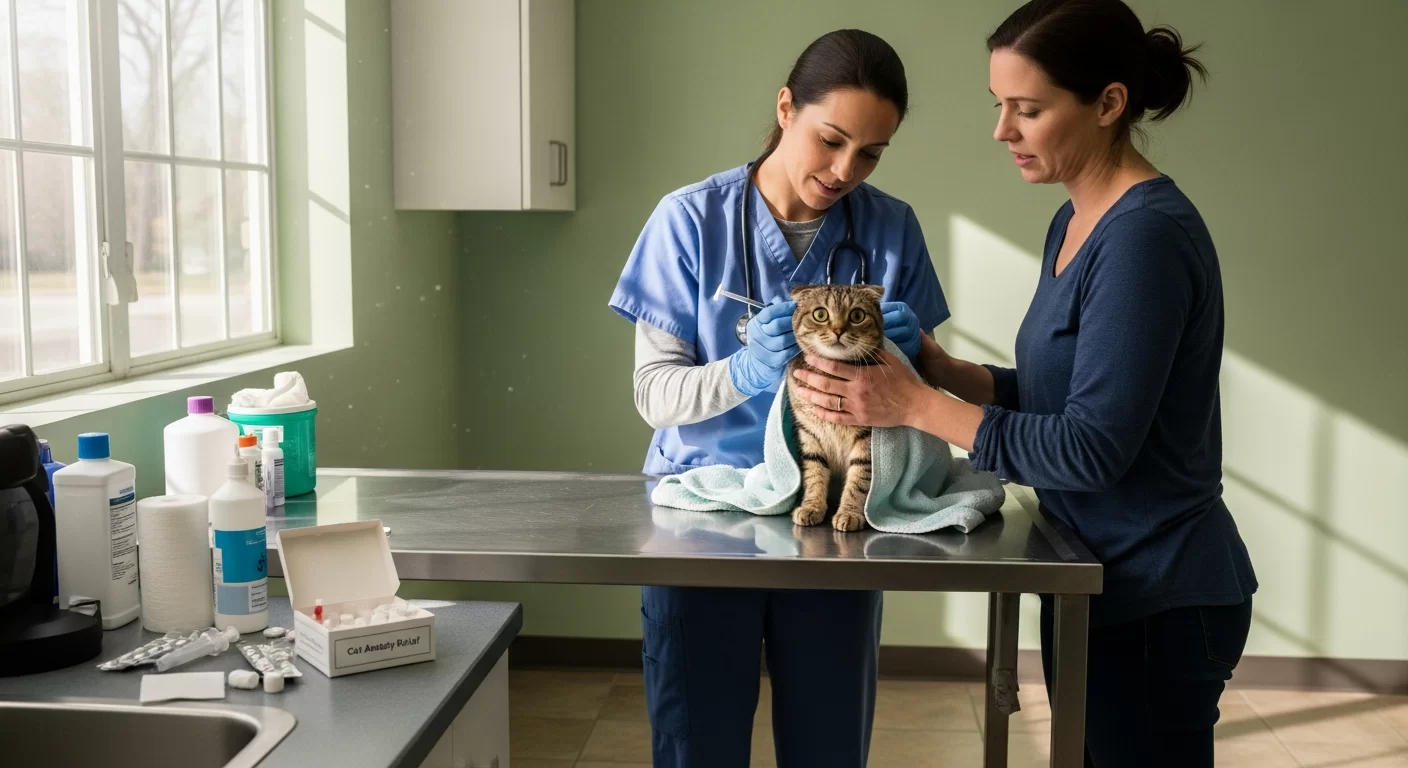
Behavior modification is usually the foundation of treatment, but medication can be valuable in specific cases.
Medication may be considered when:
- Anxiety significantly affects quality of life
- Self-injury occurs
- Destructive behavior becomes severe
- Progress remains limited despite training
Common medications prescribed by veterinarians may include:
| Medication | Typical Purpose |
|---|---|
| Fluoxetine | Long-term anxiety management |
| Clomipramine | Separation-related disorders |
| Gabapentin | Situational stress support |
| Trazodone | Short-term anxiety reduction |
Medication should never be viewed as a shortcut.
Veterinary behaviorists often describe medication as a tool that creates a calmer learning environment, allowing behavior modification strategies to become more effective.
Many successful treatment plans combine:
- Environmental management
- Training
- Medical support
rather than relying on a single approach.
Managing Destructive Behaviors and Furniture Damage
Scratched furniture is often one of the first signs owners notice.
However, destruction is not necessarily a sign of defiance.
It frequently serves a biological purpose.
Why Anxious Cats Scratch
Scratching can:
- Release tension
- Mark territory
- Provide sensory feedback
- Redirect frustration
When anxiety increases, scratching often increases as well.
Redirect Rather Than Punish
Punishment generally increases stress and may worsen anxiety-related behaviors.
A more effective approach is to provide:
- Multiple scratching posts
- Different textures
- Vertical scratching surfaces
- Strategic placement near problem areas
Common Destructive Behaviors
| Behavior | Possible Anxiety Function |
|---|---|
| Door scratching | Attempting reunion |
| Window scratching | Hypervigilance |
| Furniture damage | Stress release |
| Excessive grooming | Self-soothing |
| Vocalization | Contact-seeking behavior |
The pattern often provides more useful information than the behavior itself.
Building Long-Term Emotional Security
The most successful anxiety management plans focus on prevention rather than crisis response.
Cats thrive when their environment consistently meets their emotional and behavioral needs.
Several habits appear repeatedly in households with lower rates of anxiety-related behavior:
Predictable Daily Routines
Consistent feeding, play, and rest schedules create a sense of stability.
Environmental Complexity
Cats benefit from:
- Vertical territory
- Hiding spaces
- Interactive toys
- Window access
Positive Human Interaction
Quality matters more than quantity.
Short, predictable interactions often reduce anxiety more effectively than occasional bursts of attention.
Monitoring Changes Early
Behavioral changes rarely occur without a reason.
A cat that suddenly becomes clingy, withdrawn, aggressive, or destructive is communicating something important.
Early intervention is often easier than correcting long-established patterns.
Separation anxiety can feel overwhelming because it affects both the cat and the people caring for it. Yet most cases improve when the underlying cause is addressed systematically rather than emotionally. A calm environment, gradual training, appropriate enrichment, and professional guidance when needed can help even highly attached cats develop greater confidence when left alone. The goal is not to eliminate attachment, but to create a relationship in which the cat feels secure whether its favorite human is in the room or temporarily away.