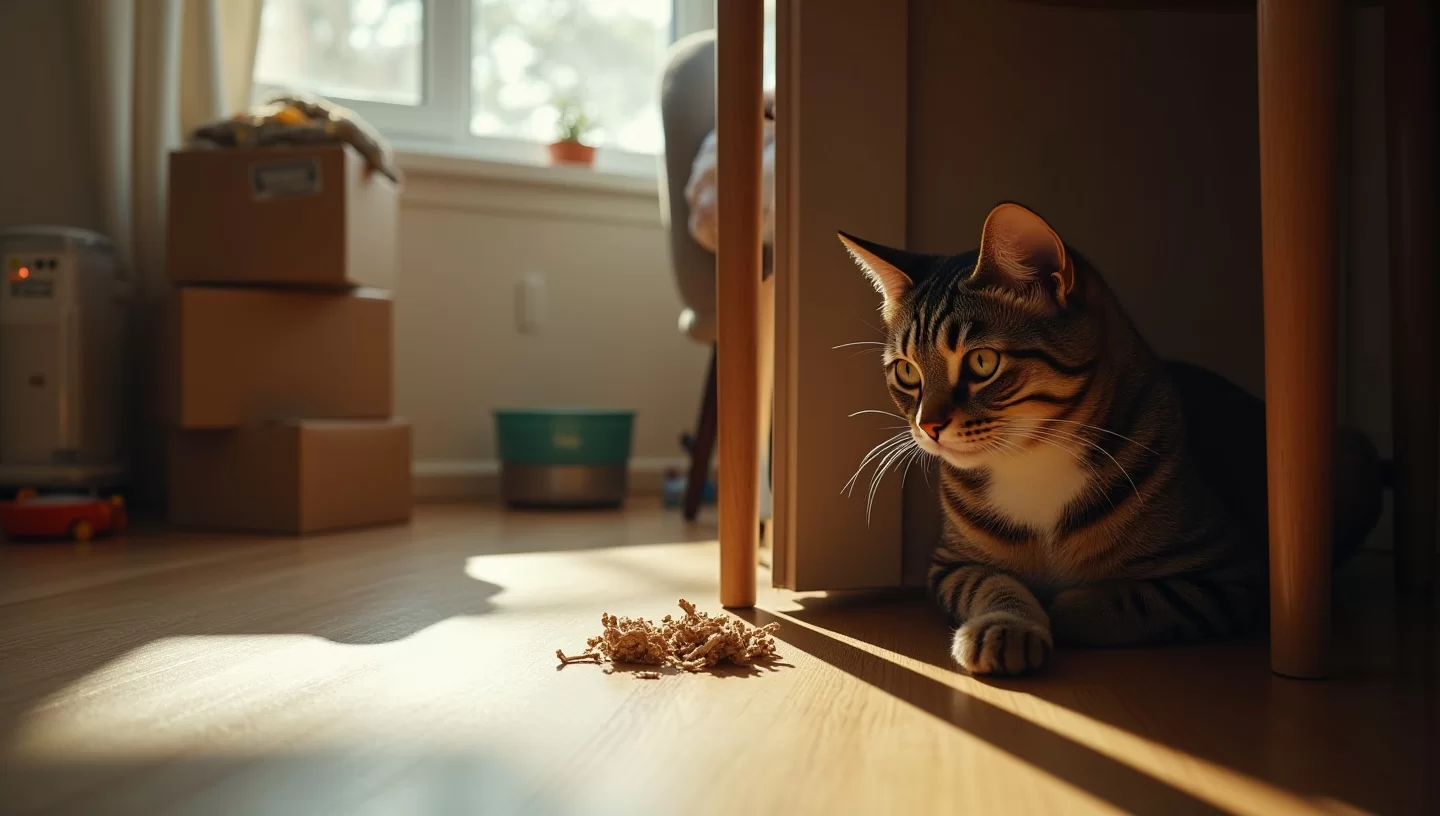
Cats are creatures of habit, so when a typically confident feline suddenly starts hiding, hissing, or refusing treats, it catches any owner off guard. Anxiety in cats often manifests in subtle ways—excessive grooming, spraying outside the litter box, or a tucked tail—that can be mistaken for stubbornness or illness. With an estimated 20 to 30 percent of domestic cats showing signs of anxiety at some point, understanding what triggers this shift is essential for both their well-being and the household's peace of mind. The causes can range from environmental changes and medical conditions to aging-related cognitive decline, each requiring a different approach. Because cats are masters at masking discomfort, a sudden change in behavior warrants a careful, step-by-step look at both their physical health and their surroundings. Below is a breakdown of the most common reasons veterinarians see for sudden feline anxiety and practical, vet-reviewed solutions to help restore calm.
In This Article
- What Does Sudden Cat Anxiety Look Like?
- Common Environmental Triggers
- Medical Conditions That Mimic or Cause Anxiety
- When to See a Veterinarian
- How to Help an Anxious Cat at Home
- Long-Term Management and Prevention
What Does Sudden Cat Anxiety Look Like?
Before diving into causes, it helps to recognize what anxiety actually looks like in cats. Unlike dogs, anxious cats rarely pace or whine; instead they freeze, hide, or become aggressive. Common behavioral signs include:
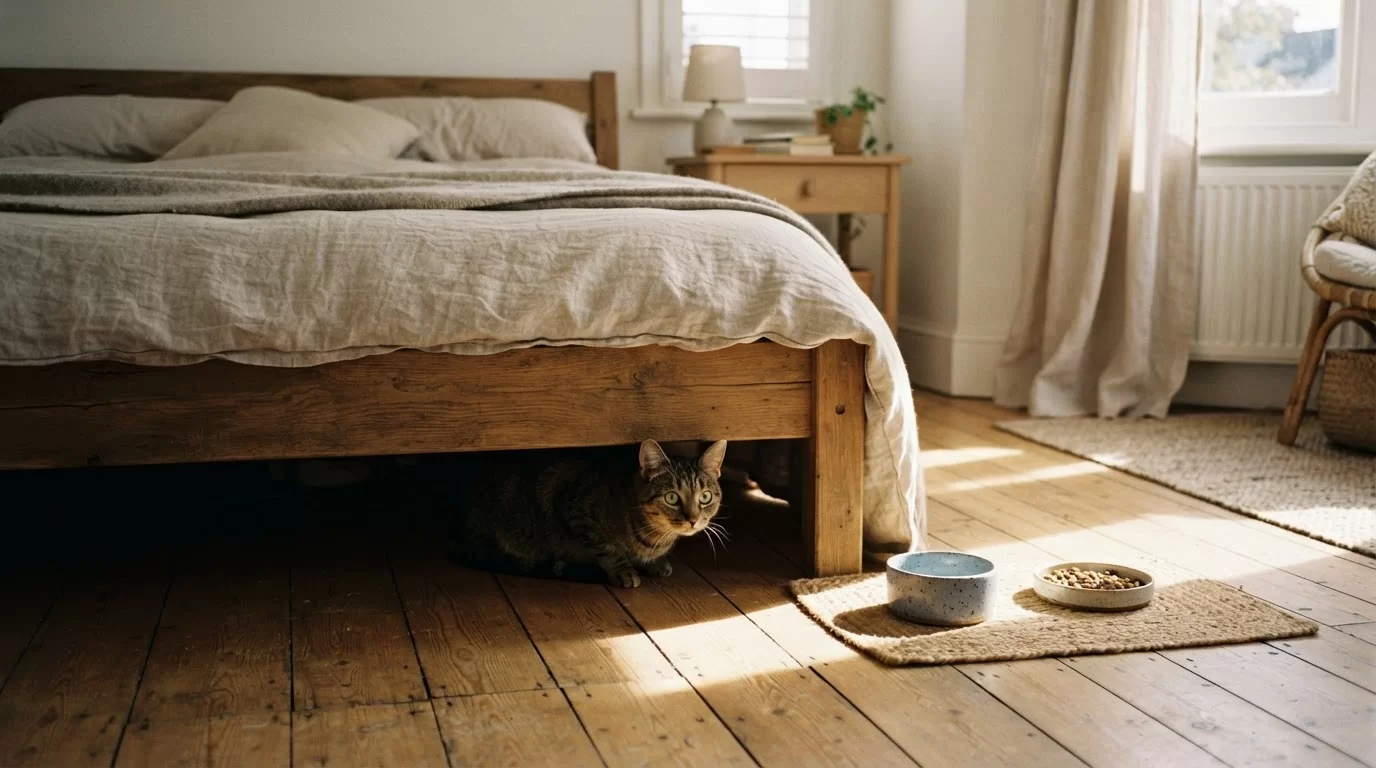
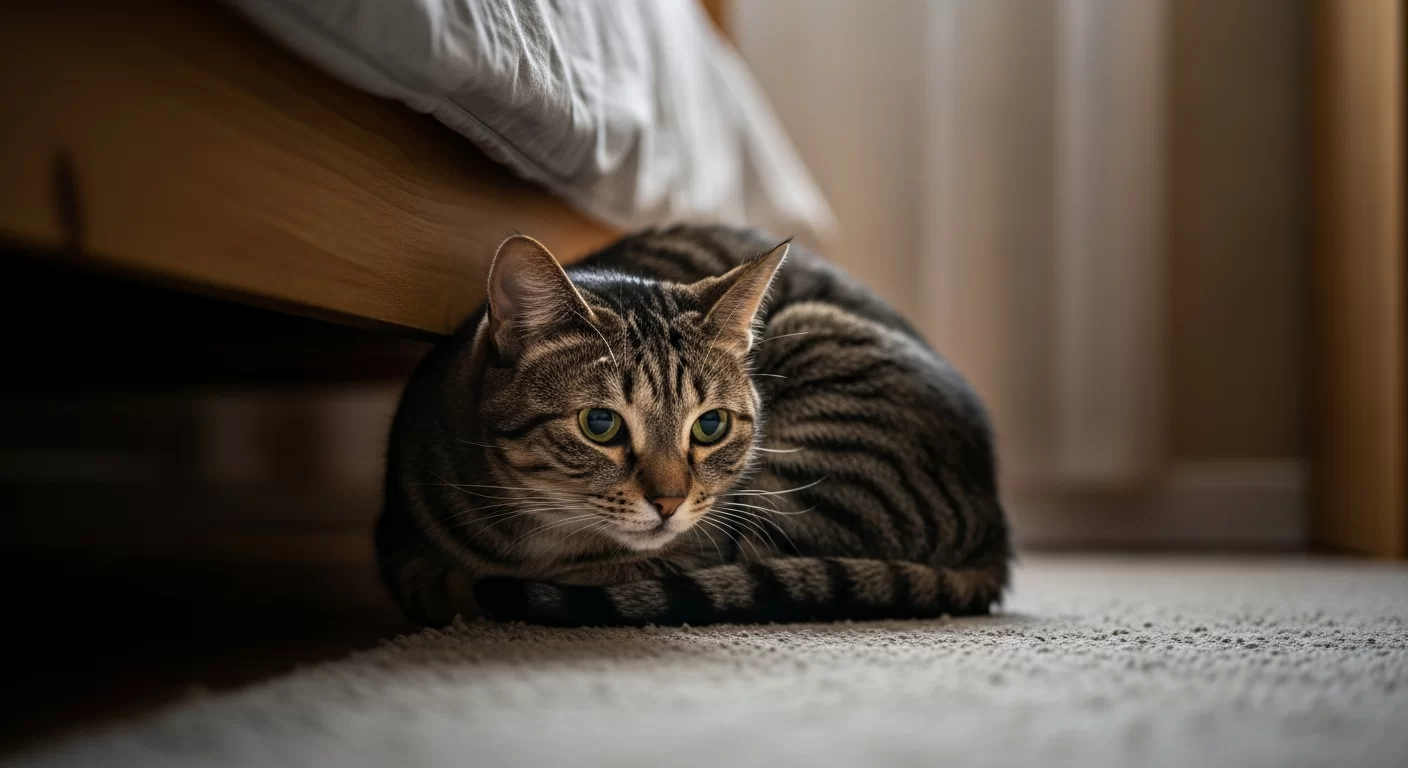
- Hiding under beds, in closets, or behind furniture for extended periods
- Changes in vocalization—excessive meowing, yowling, or sudden silence
- Over-grooming leading to bald patches or skin irritation
- Inappropriate elimination—urinating or defecating outside the litter box
- Destructive scratching on furniture, walls, or doors
- Loss of appetite or sudden pickiness
- Hypervigilance—startling easily, wide eyes, flattened ears
A cat that was previously friendly and outgoing may become withdrawn or irritable. The suddenness of the change is key: gradual behavioral shifts often point to chronic issues, while a rapid onset suggests an acute stressor or medical problem.
Common Environmental Triggers
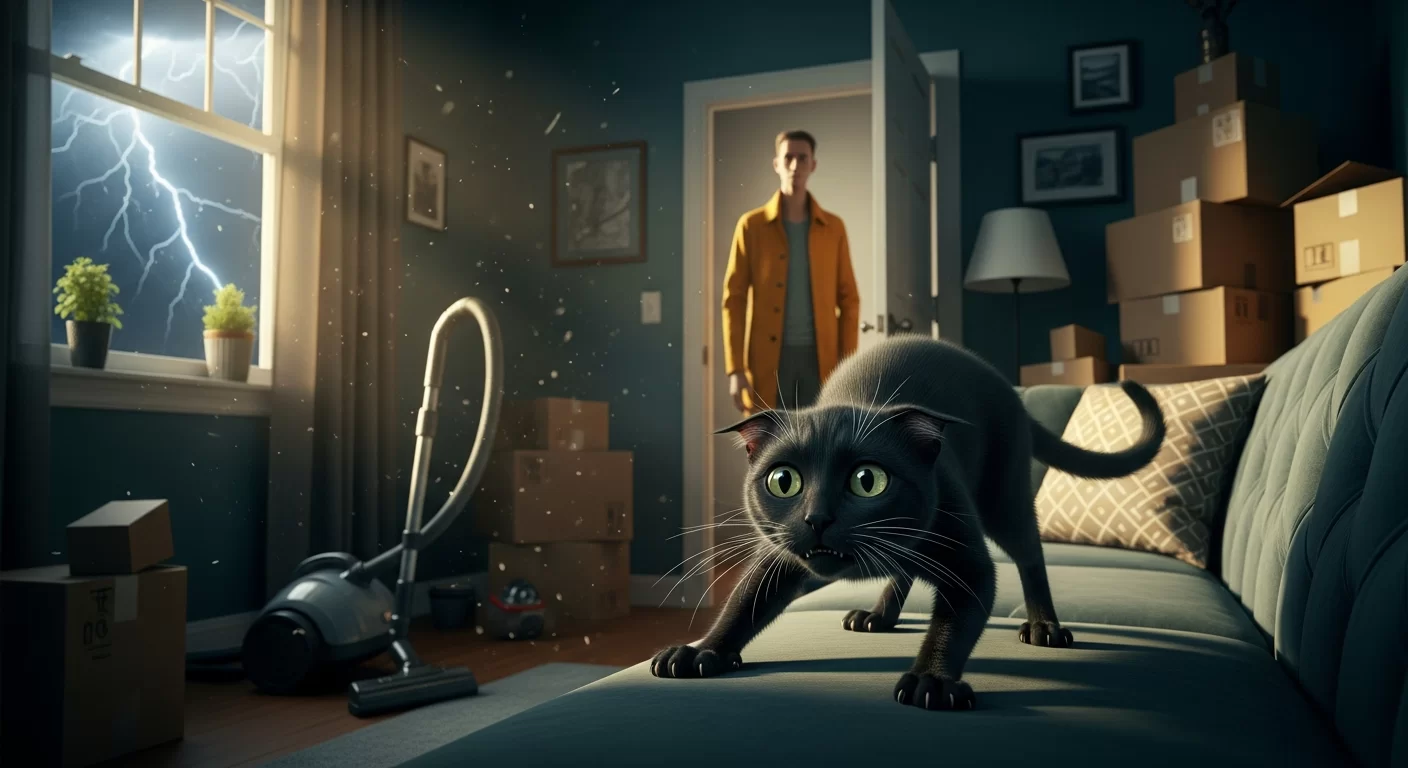
Cats are territorial and sensitive to their surroundings. Even small changes can trigger anxiety. Some of the most frequent environmental culprits include:
- Changes in routine—a new work schedule, feeding times changed, or a family member moving out
- Home renovations—noise, smells, unfamiliar workers, and rearranged furniture
- New pets or people—introducing a cat, dog, baby, or houseguest without proper transition
- Moving to a new home—one of the biggest stressors for any cat
- Competition for resources—too few litter boxes, food bowls, or resting spots in a multi-cat household
- Outdoor threats—another cat visible through a window, construction noise, or wildlife near the house
These triggers often accumulate. A new baby plus a changed feeding schedule plus a moving box left in the hallway can tip a sensitive cat over the edge.
Medical Conditions That Mimic or Cause Anxiety
A veterinarian’s first step when a cat presents with sudden anxiety is to rule out underlying health problems. Pain and discomfort can look exactly like fear or stress. Conditions commonly linked to anxious behavior include:
- Hyperthyroidism—overactive thyroid can cause restlessness, irritability, increased vocalization, and heightened startle response
- Urinary tract infections (UTIs)—painful urination leads to litter box avoidance, which owners often misinterpret as behavioral anxiety
- Arthritis or dental disease—chronic pain makes a cat more reactive and prone to hiding
- Feline cognitive dysfunction (FCD)—the cat equivalent of dementia, causing disorientation, anxiety, and altered sleep cycles in older cats
- Kidney disease or diabetes—metabolic changes can cause lethargy, thirst, and confusion
A 2020 study in the Journal of Feline Medicine and Surgery noted that approximately 40 percent of cats presenting with sudden behavioral changes had an underlying medical condition. Bloodwork, urinalysis, and a physical exam are essential before labeling a cat as “just anxious.”
When to See a Veterinarian
If your cat shows any of the following, schedule a veterinary visit promptly:
- Sudden aggression toward family members or other pets
- Complete refusal to eat for more than 24 hours
- Straining to urinate or blood in urine (possible UTI or blockage)
- Excessive vomiting or diarrhea
- Tremors, seizures, or disorientation
- Weight loss despite normal appetite
- Signs of pain such as limping, flinching, or excessive grooming of one spot
Even if the cause appears environmental, a vet check ensures no medical problem is hiding behind the anxiety. Many cats with hyperthyroidism, for example, respond dramatically to medication, and their “anxiety” vanishes within days.
How to Help an Anxious Cat at Home

Once medical causes are ruled out, the focus shifts to environmental and behavioral management. Vet-reviewed solutions include:
Create safe spaces — Provide high perches, covered hideaways, and quiet rooms where the cat can retreat. Cardboard boxes, cat trees, and window perches all work.
Maintain consistency — Feed, play, and interact at the same times each day. Predictability lowers stress for most cats.
Use pheromone products — Synthetic feline facial pheromones (Feliway is the most studied brand) come in diffusers, sprays, and wipes. Clinical trials show a 70–80% reduction in stress-related behaviors in some cats.
Provide environmental enrichment — Puzzle feeders, interactive toys, scratching posts, and window bird feeders keep a cat’s mind engaged. Bored cats often develop anxiety.
Gradual introductions — If a new pet or person is the trigger, use a slow, scent-based introduction process. Separate spaces, swapping bedding, and controlled visual access over days or weeks.
Consider calming supplements — L-theanine (Suntheanine), Zylkene (a milk protein hydrolysate), and certain CBD products (with veterinary guidance) have shown promise. Always consult a veterinarian before adding any supplement.
Avoid punishment — Never scold or physically discipline an anxious cat. This worsens fear and erodes trust. Instead, reward calm behavior with treats or gentle petting.
Below is a quick comparison of common anxiety aids:
| Solution | How It Works | Typical Cost | Onset |
|---|---|---|---|
| Feliway diffuser | Synthetic pheromone | $30–40 per vial (lasts 30 days) | 2–4 days |
| Zylkene supplement | Casein-based calming | $25–35 for 30 capsules | 1–2 hours |
| L-theanine treats | Amino acid that promotes relaxation | $15–25 for 60 treats | 30–60 minutes |
| Prescription anxiety meds (e.g., fluoxetine, gabapentin) | Serotonin reuptake inhibitor or nerve pain reliever | $10–40 per month | 2–6 weeks for full effect |
Severe or persistent anxiety may require prescription medication from a veterinarian. Anti-anxiety drugs like fluoxetine (Prozac) or gabapentin are often used short- or long-term, especially in combination with behavior modification.
Long-Term Management and Prevention
For cats prone to anxiety, a proactive approach works best. Keep a log of any behavioral changes, noting dates, new stimuli, and recovery time. This helps both you and your vet identify patterns.
Routine veterinary checkups twice a year for adult cats and annually for seniors catch medical issues early. Dental cleanings, weight management, and blood panels for older cats are critical.
Multi-cat household strategy — Follow the “1 + 1” rule for litter boxes (one per cat plus one extra). Provide separate feeding stations and multiple water sources. Cats who feel they have to compete for resources are far more likely to become anxious.
Mental stimulation — Rotate toys weekly, offer vertical climbing space, and play interactive games like “hunt the toy mouse.” Fifteen minutes of focused play twice a day can significantly lower stress hormones.
Know when to involve a specialist — Board-certified veterinary behaviorists and certified cat behavior consultants can design custom modification plans for severe or refractory cases.
Sudden anxiety in a cat is almost always a signal—either that something in the environment needs adjusting or that the cat’s body needs attention. By approaching the problem methodically, with a veterinarian’s guidance, most cats return to their usual calm selves within weeks. Patience, observation, and a willingness to make small changes are the most effective tools any cat owner can have.