If you’ve been wondering whether your cat is truly attached to you, certain behaviors can give you a clear answer. While cats express affection differently than dogs, many signs of attachment are unmistakable—and this article explains 15 common behaviors that show your cat feels bonded to you. Understanding these signals can help you recognize a deep, healthy connection or catch early clues that something else may be going on.
In This Article
- What Your Cat’s Attachment Usually Means
- How to Tell If the Bond Is Healthy or Stress-Driven
- 15 Signs Your Cat Is Attached to You
- When the Behavior Deserves More Attention
- How to Help Your Cat Feel Safe and Secure
What Your Cat’s Attachment Usually Means
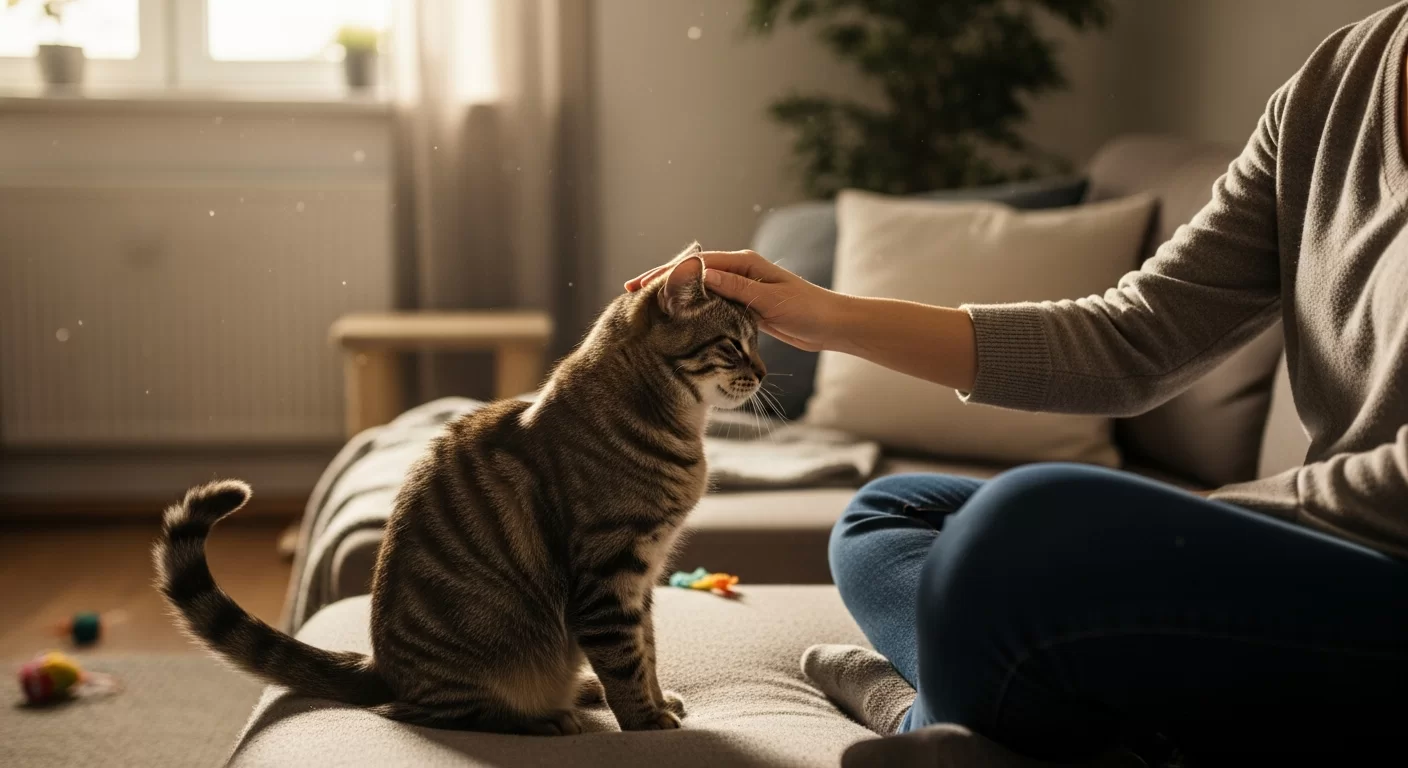
Key things to keep in mind:
- A attached cat typically chooses to be near you but can also relax on their own.
- Attachment behaviors like slow blinking, head bunting, and kneading are normal signs of affection.
- Every cat has a unique personality—some are naturally more affectionate than others.
- A sudden change in attachment behavior (becoming clingy or distant) may point to stress, pain, or illness.
- True attachment is built on safety, not fear—a cat that follows you out of anxiety is different from one that follows you because they feel secure.
How to Tell If the Bond Is Healthy or Stress-Driven
It can be tricky to distinguish between a healthy attachment and a behavior driven by anxiety, pain, or environmental stress. The table below compares common bonded behaviors with behaviors that may need more attention.
| Healthy bonded behavior | Behavior that may need attention |
|---|---|
| Your cat follows you but can still relax on their own. | Your cat seems unable to settle unless they are touching you or watching you. |
| Slow blinking, head bunting, and purring occur during calm moments. | Excessive vocalization, pacing, or destructive behavior when you leave the room. |
| Your cat greets you at the door but then returns to their own activities. | Your cat hides, avoids you, or shows aggression when you approach. |
| Kneading and sleeping on your lap happen occasionally. | Your cat insists on being held at all times or becomes distressed when separated. |
If you notice sudden, intense, or persistent clinginess, or if your cat becomes withdrawn, it’s worth considering underlying causes such as a new pet, a move, changes in your schedule, pain, illness, or age-related changes. Always rule out medical issues first with a veterinarian.
15 Signs Your Cat Is Attached to You
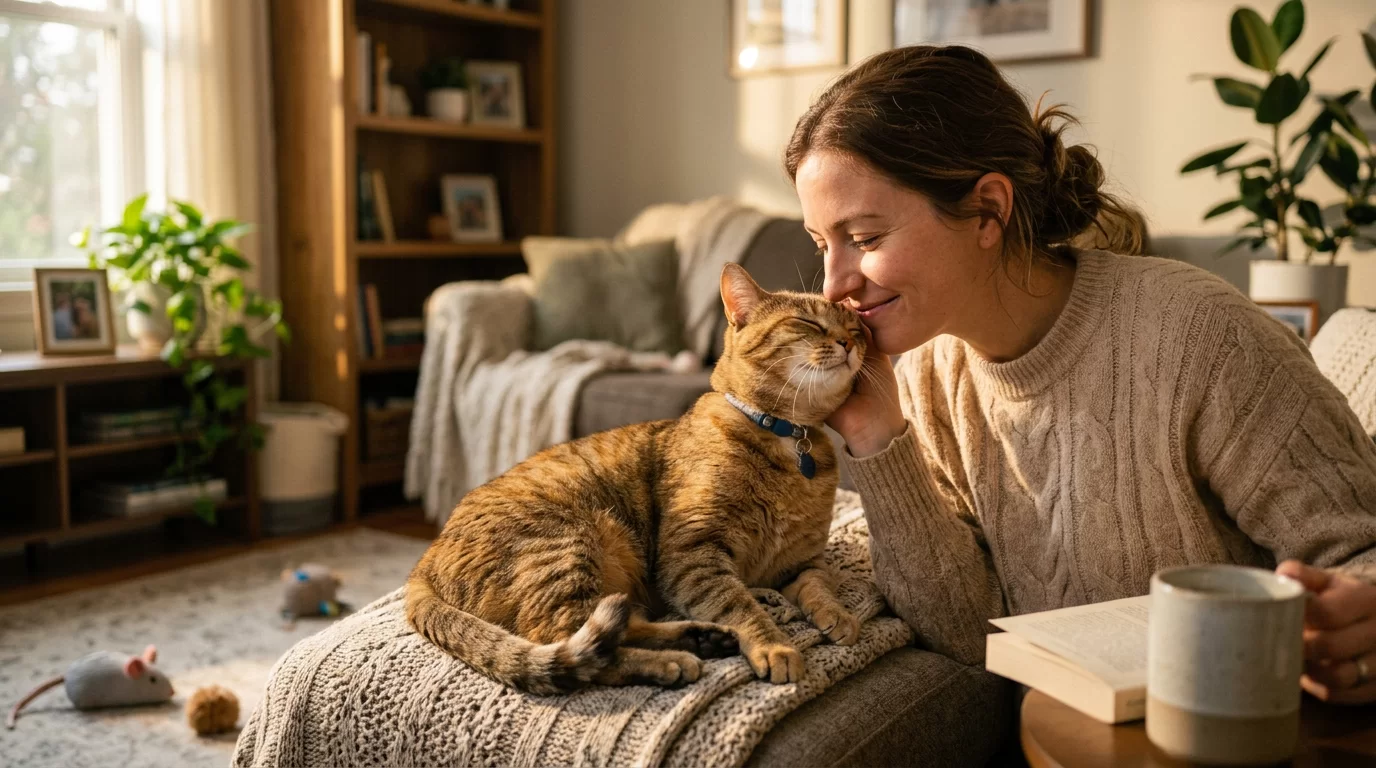
- Slow blinking. When your cat looks at you and slowly closes and opens their eyes, it’s a sign of trust and relaxation. Responding with your own slow blink can strengthen the bond.
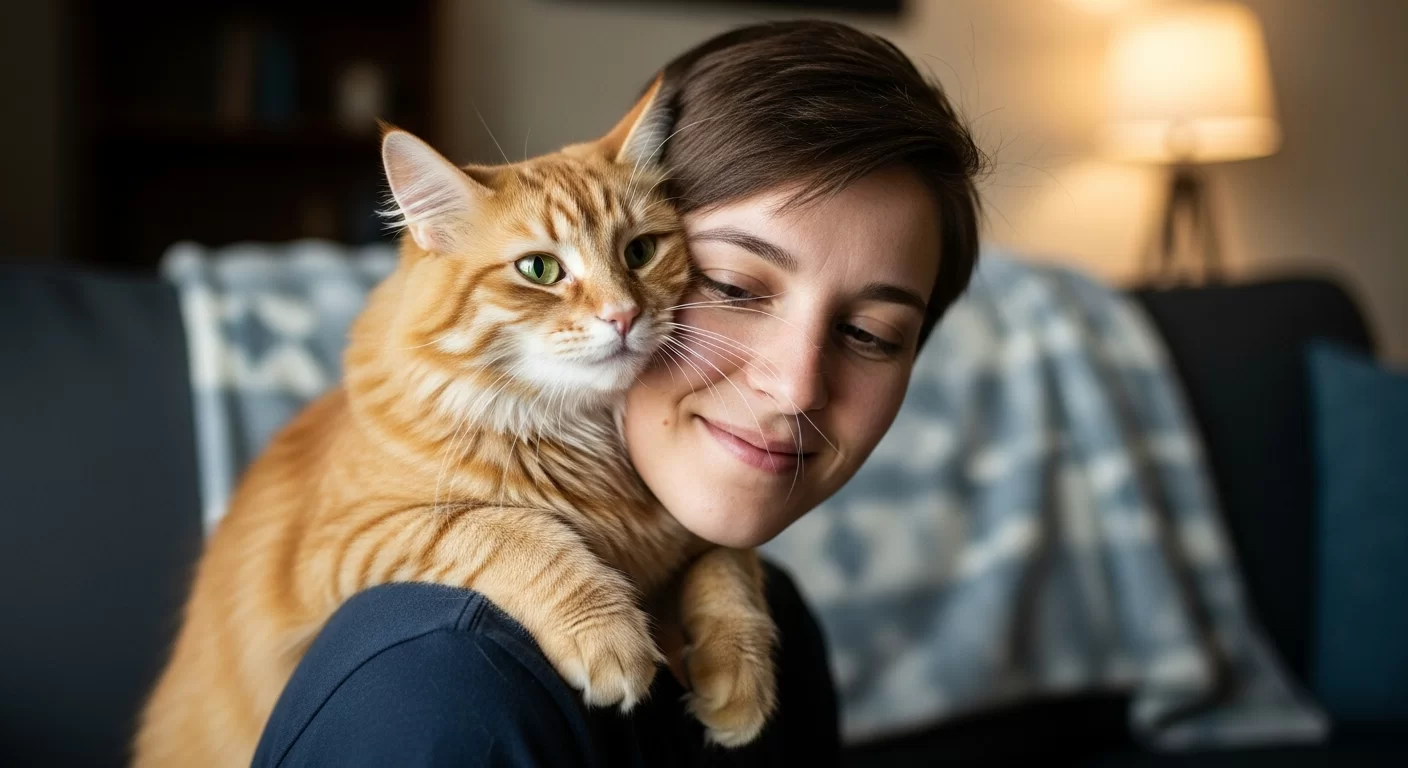
- Head bunting and cheek rubbing. Cats have scent glands on their head and cheeks. Rubbing against you deposits their scent, marking you as familiar and safe.
- Kneading. The rhythmic pushing of paws into your lap or soft surfaces is a comforting behavior from kittenhood that often appears when your cat feels content.
- Following you from room to room. A cat that chooses to be near you, even when you’re just moving around the house, often wants your company.
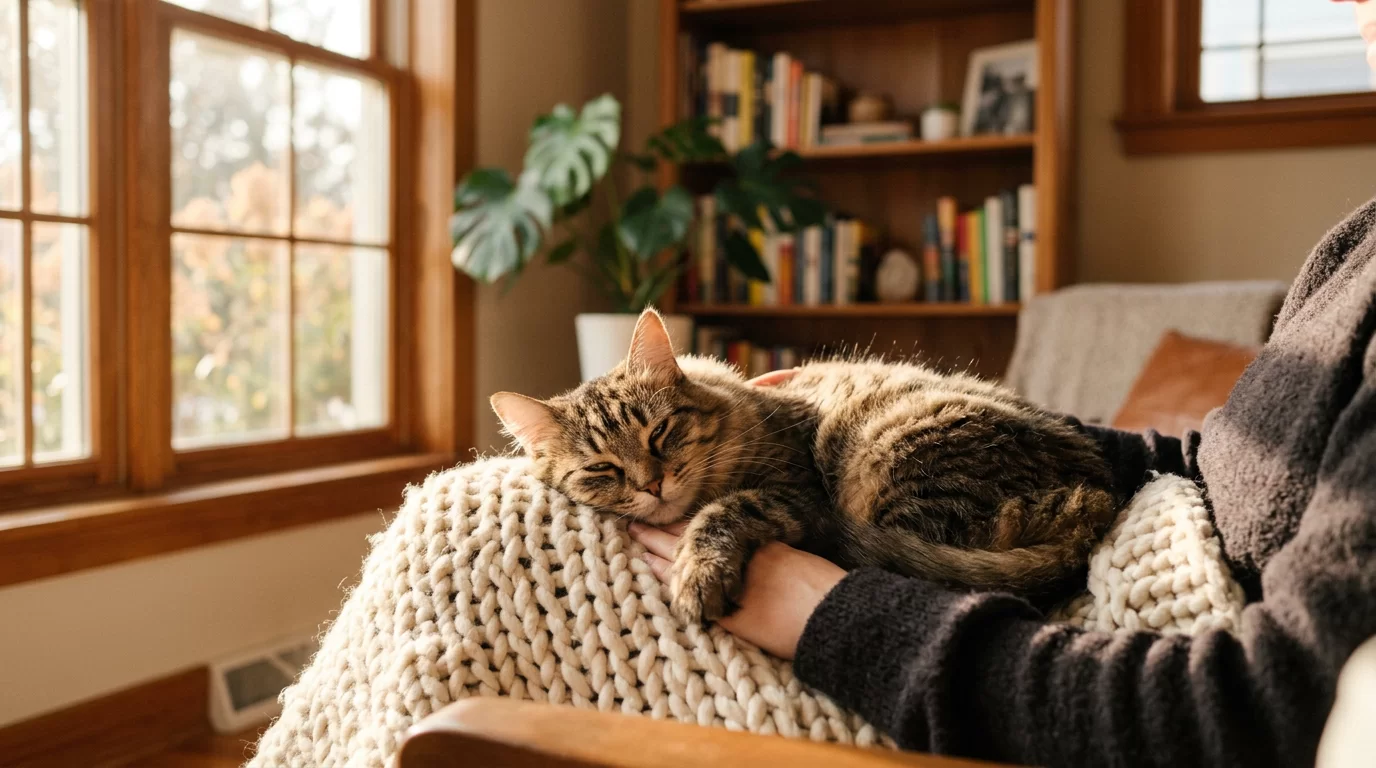
- Sleeping on or near you. Cats are vulnerable when sleeping, so choosing to rest on your lap, chest, or beside you shows deep trust.
- Bringing you “gifts.” Some cats present toys, dead insects, or even prey to share with you. This is a natural hunting instinct and a sign that they see you as family.
- Grooming you. Licking your hand, face, or hair is a social bonding behavior. Cats often groom each other as a sign of affection.
- Purring when you’re near. While purring can also indicate stress or pain, a purr in a relaxed context—often paired with soft eyes and loose body posture—usually means contentment.
- Tail up and curved at the tip. A raised tail with a little hook at the top is a friendly greeting. If your cat approaches you this way, they’re happy to see you.
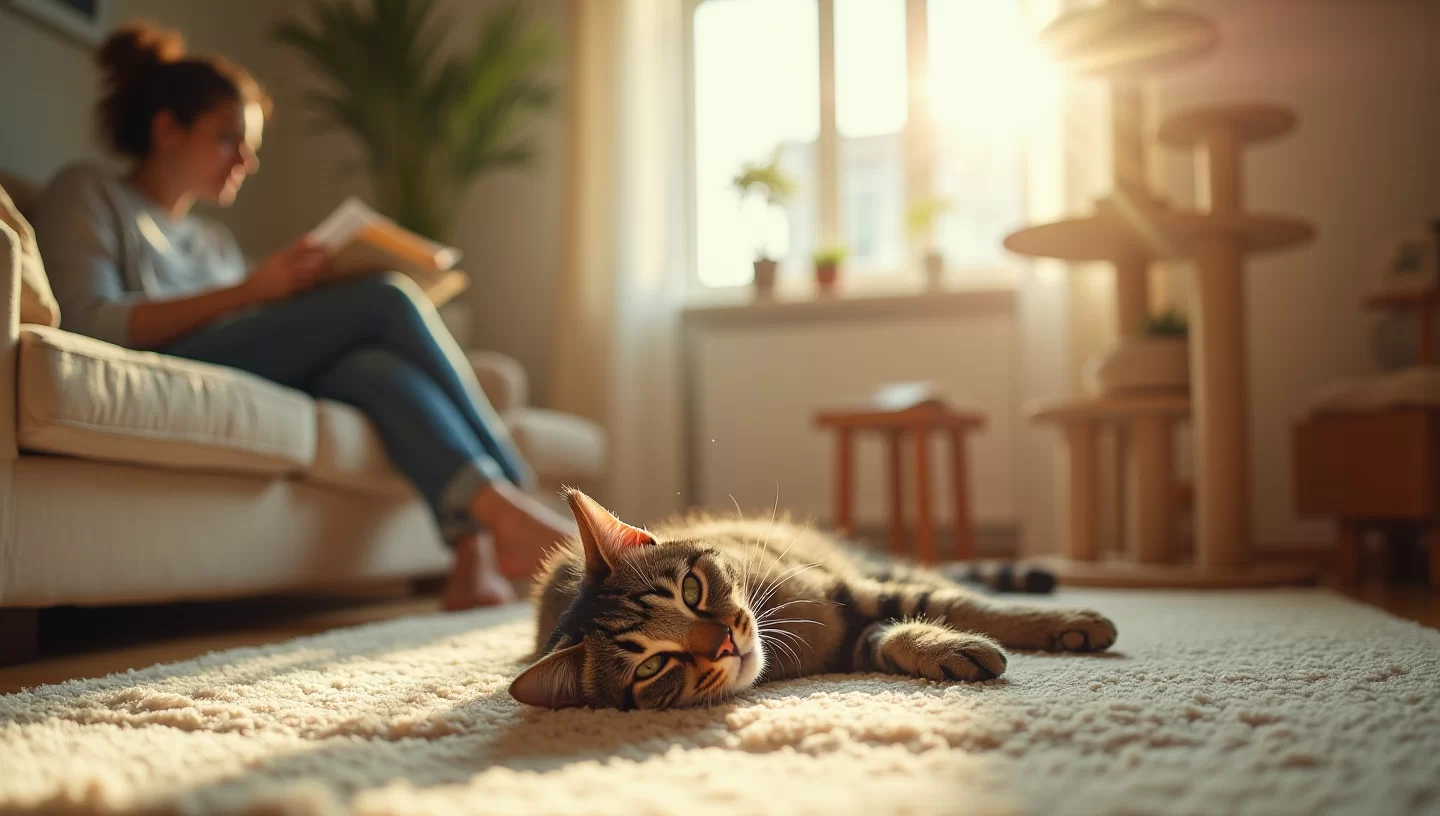
- Belly exposure. Rolling over to show their belly is a vulnerable position. Not all cats want belly rubs, but the gesture itself signals trust.
- Blinking or trilling when you speak. Some cats use a chirp-like sound (trill) or short meows to greet you. It’s a vocal way of acknowledging your presence.
- Choosing your lap over other places. If your cat has many comfortable spots but consistently picks your lap, they’re choosing closeness over convenience.
- Sitting on your work or belongings. When you’re busy at a desk or reading, your cat may plop down on your papers or keyboard. They want to be part of what you’re doing.
- Checking on you. Some cats will come into a room, make eye contact, and then leave. This is a simple “I see you, you’re safe” check-in.
- Waiting for you by the door. If your cat greets you when you come home (even if they just woke up from a nap), it’s a sign they associate you with positive experiences.
When the Behavior Deserves More Attention
Most attachment behaviors are normal and heartwarming. However, certain changes should prompt a closer look. Contact your veterinarian if your cat’s attachment behaviors are paired with any of the following:
- Sudden clinginess or separation-related distress (excessive meowing, destructive behavior, eliminating outside the litter box when you leave)
- A previously affectionate cat becoming withdrawn, hiding, or avoiding contact
- Loss of appetite, weight loss, or changes in drinking or urination
- Overgrooming (bald patches, skin irritation) or aggression when you try to touch certain areas
- Litter box avoidance, vomiting, diarrhea, or other physical signs
- Behavior changes after a major life event (moving, a new pet or person, a change in your schedule)
These signs may indicate pain, illness, anxiety, or cognitive decline, especially in older cats. A veterinarian can help rule out medical causes and refer you to a certified cat behavior professional if needed.
How to Help Your Cat Feel Safe and Secure
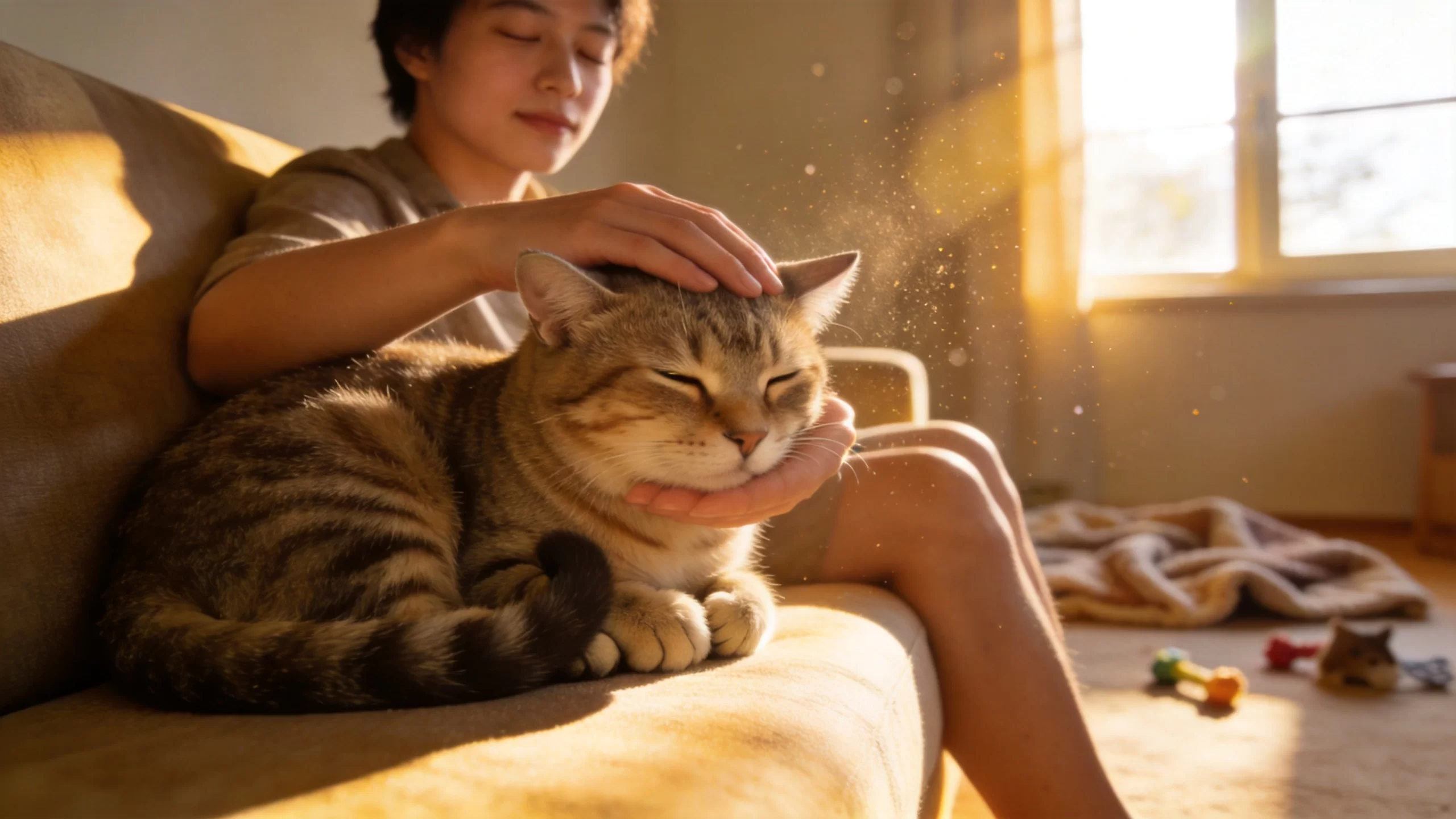
Whether you’re strengthening a healthy bond or addressing mild anxiety, simple routines can make a big difference.
- Provide predictable daily routines. Feed, play, and rest at roughly the same times each day. Cats feel safe when they know what to expect.
- Give your cat control. Offer multiple hiding spots, perches, and quiet areas where your cat can retreat. Let them choose when to interact.
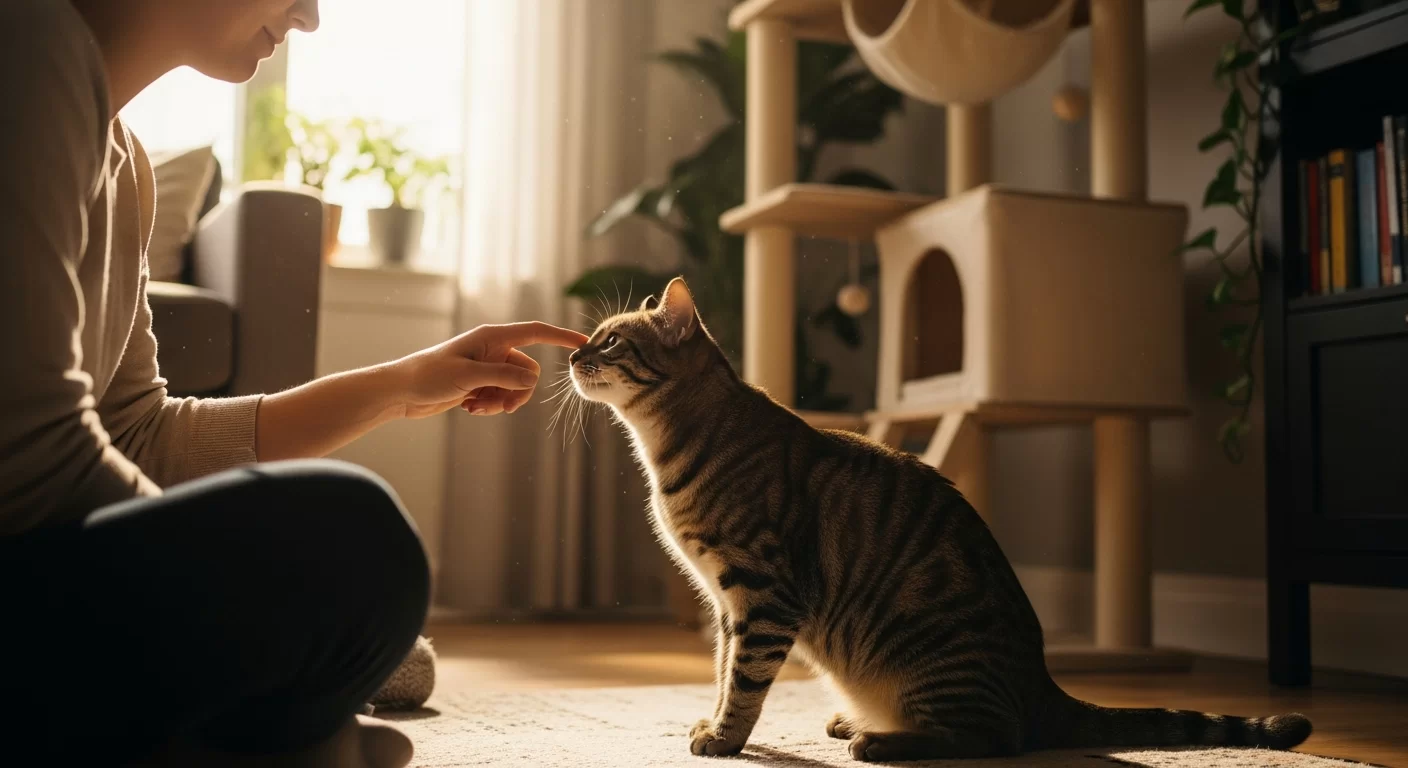
- Use gentle, positive interactions. Let your cat initiate contact. Soft talking, slow blinking, and gentle petting on the cheeks and chin build trust.
- Offer interactive play. A short play session before feeding can satisfy your cat’s hunting instincts and deepen your bond.
- Respect their space. If your cat walks away or shows signs of overstimulation (tail twitching, ears flattened), stop the interaction.
- Consider enrichment. Puzzle feeders, window perches, scratching posts, and toys that mimic prey can reduce boredom and stress.
If your cat seems anxious about separation, practice leaving for short periods and gradually increasing the time. Pair your departure with a special treat or toy to create a positive association.
If your cat is eating well, using the litter box normally, and choosing to stay close to you in a relaxed way, their attachment is likely part of a healthy bond. Keep supporting that bond with predictable routines, gentle play, and safe resting spaces. If the behavior appears suddenly or comes with signs such as appetite changes, hiding, overgrooming, aggression, or litter box problems, treat it as useful information and ask your veterinarian for guidance. With patience and observation, you can enjoy a warm, trusting relationship with your cat for years to come.