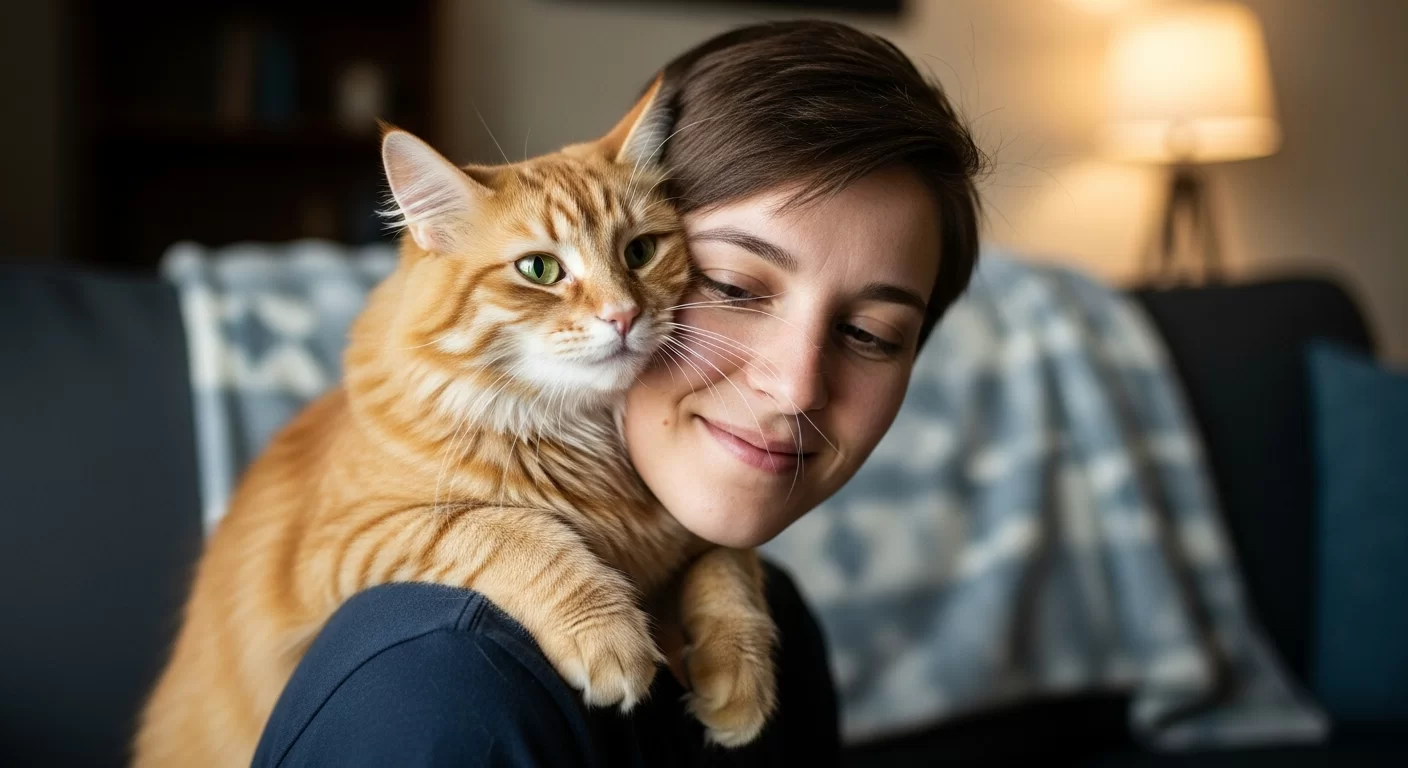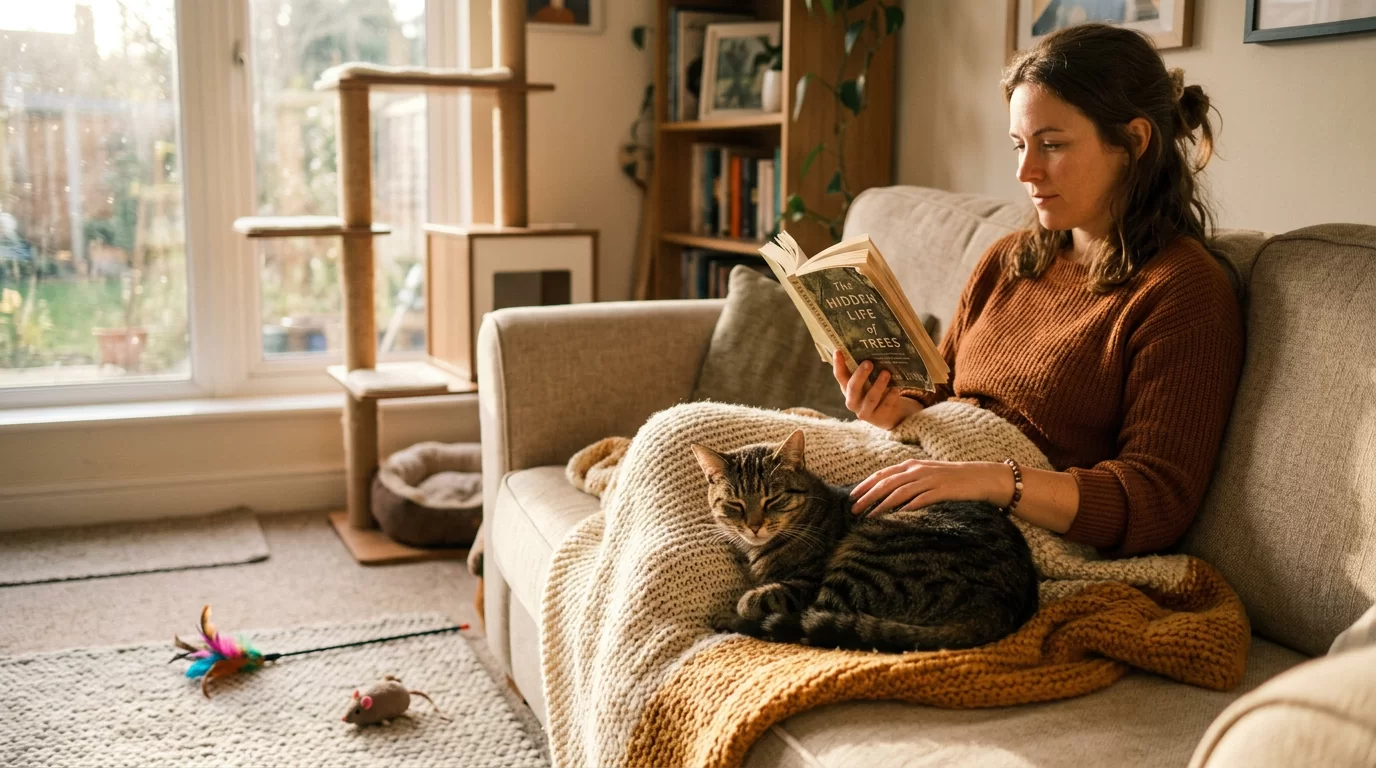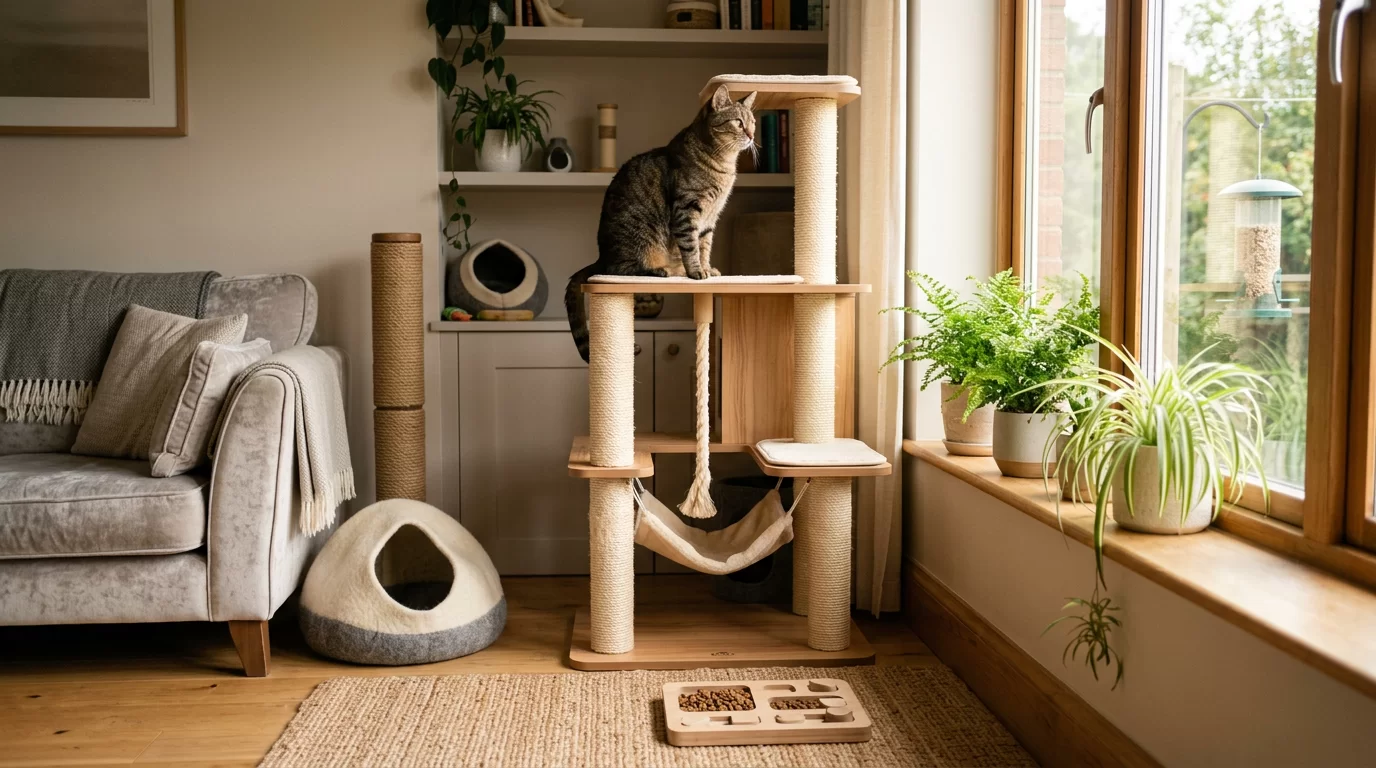
A cat that follows a person from room to room, cries at closed doors, or seems distressed whenever the household routine changes may be showing more than ordinary affection. Many cats form strong bonds with people, and that bond is healthy when the cat can also rest, eat, play, and explore independently. Concern usually begins when closeness turns into panic, clinginess, or behavior changes when the owner is away. Because cats often express stress through subtle signs, attachment-related problems can be mistaken for stubbornness, “spite,” or normal neediness. Understanding the difference between a loving cat, a stressed cat, and a cat with possible separation anxiety can help owners respond with patience and choose the right support before the behavior becomes harder to manage.
In This Article
- What Attachment Issues Can Look Like in Cats
- Signs a Cat May Be Too Dependent on One Person
- Why Some Cats Develop Attachment Problems
- How to Help a Cat Feel More Secure
- Mistakes That Can Make Clingy Behavior Worse
- When to Involve a Veterinarian or Cat Behaviorist
What Attachment Issues Can Look Like in Cats
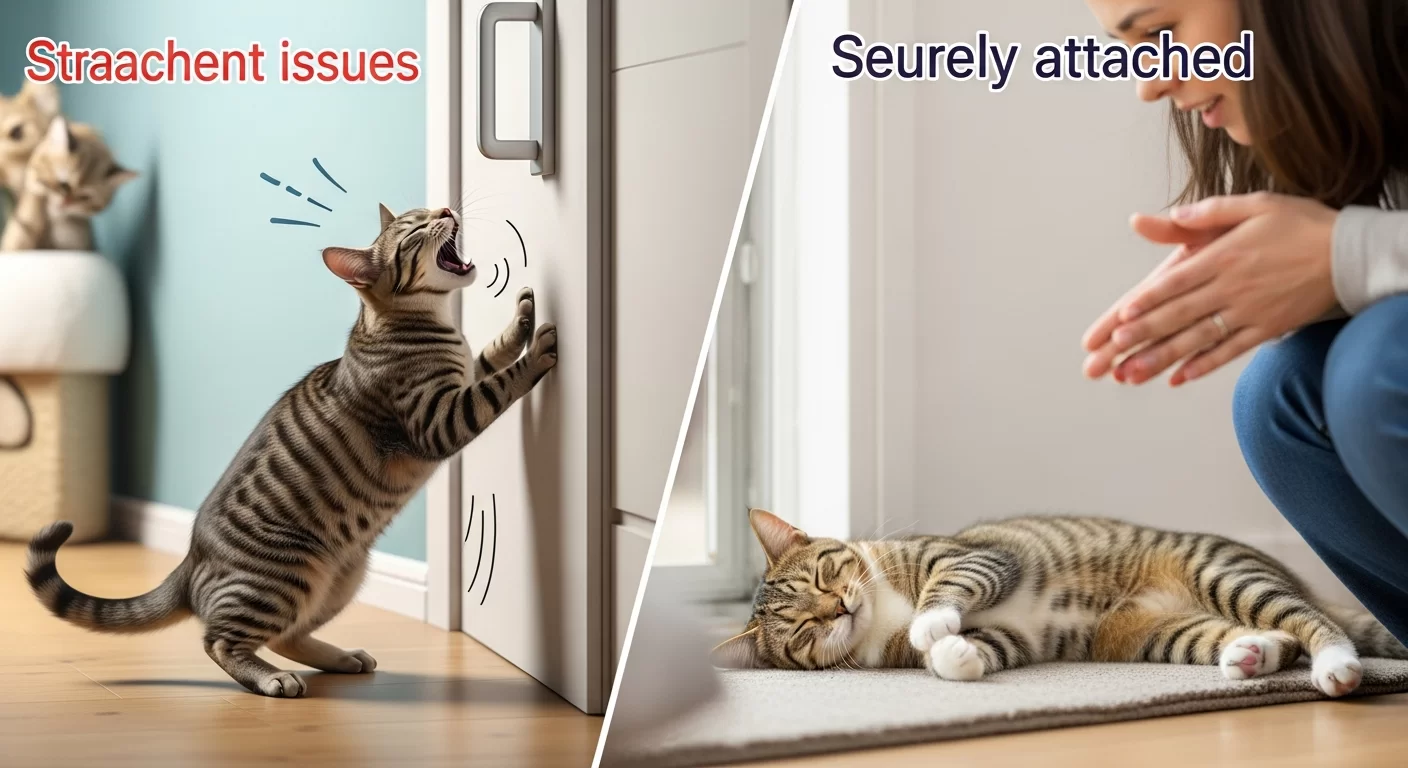
In everyday language, owners may describe the behavior as clinginess, separation anxiety, neediness, or being “overly attached.” Veterinary and behavior professionals often look more closely at the pattern: when the behavior happens, what triggers it, how intense it is, and whether the cat’s normal life is affected.
A securely attached cat can usually handle short separations. The cat may notice a person leaving but can return to napping, eating, playing, or watching the household. A more anxious cat may vocalize repeatedly, pace, hide, eliminate outside the litter box, overgroom, scratch doors, or seem unable to settle until the person returns.
Attachment concerns are also different from medical problems, although the two can look similar. A cat that suddenly follows an owner everywhere, cries more often, or becomes unusually demanding may be in pain, nauseated, anxious, or experiencing changes related to aging. Any sudden or intense behavior change deserves a careful look at the cat’s health, not only the cat’s emotions.
Signs a Cat May Be Too Dependent on One Person
The clearest sign of an attachment problem is not affection itself. It is distress when access to the preferred person is limited. Some cats show this when the owner leaves the home, while others react when a door is closed, a work schedule changes, or attention is directed toward another pet, baby, partner, or guest.
Common signs may include:
• Frequent crying, yowling, or pacing when a person leaves
• Waiting at the door for long periods and seeming unable to relax
• Following one person constantly, including to the bathroom or bedroom
• Scratching or pawing at closed doors
• Refusing food when the preferred person is away
• Urinating or defecating outside the litter box during absences
• Excessive grooming, chewing, or fur loss linked to stress
• Destructive scratching or knocking objects over when alone
• Sudden clinginess after a move, loss, schedule change, or illness
Some cats become quiet rather than loud. A stressed cat may hide, sleep more, stop playing, or avoid normal routines. This can be easy to miss because cats are often private when uncomfortable.
Context matters. A kitten that wants frequent contact may be showing age-appropriate social behavior. A newly adopted cat may shadow a person while learning that the home is safe. A senior cat that has become clingy may be seeking reassurance, but may also be dealing with pain, sensory decline, cognitive changes, or another medical issue.
The pattern is more concerning when the cat cannot be redirected, the behavior is escalating, or daily functions are affected. Eating, drinking, litter box use, sleep, and grooming are especially important. Changes in those areas should not be dismissed as attention-seeking.
Why Some Cats Develop Attachment Problems
Early life can play a major role. Kittens that were orphaned, weaned early, under-socialized, or moved through unstable environments may be more vulnerable to insecurity. A cat that never learned how to self-soothe or spend time alone may rely heavily on a familiar person for comfort.
Major changes can also trigger attachment-related stress, even in previously confident cats. These may include moving homes, a new work schedule, the return of an owner to full-time office work, the loss of another pet, a new baby, renovation noise, boarding, or a household breakup. Cats depend heavily on predictable territory and routine, so sudden disruptions can feel significant.
Some cats become more dependent after illness or injury. If a cat received extra care during recovery, the cat may continue seeking that level of attention afterward. In other cases, the clinginess is not emotional dependence but a sign that the cat still feels unwell.
Personality also matters. Certain cats are naturally more people-oriented, vocal, or sensitive to environmental change. That does not mean something is wrong. The concern is whether the cat has enough confidence and enrichment to function when the favorite person is unavailable.
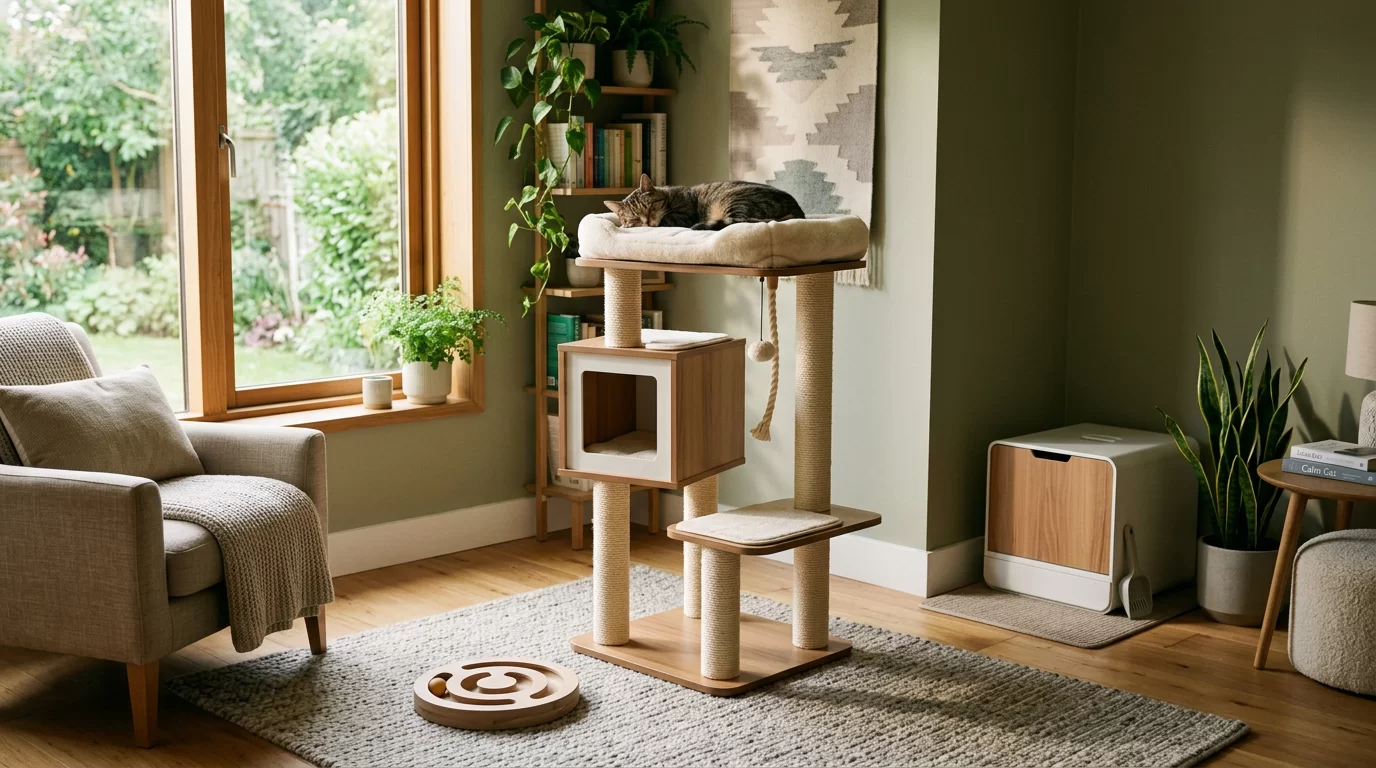
Boredom can make the problem worse. Indoor cats with little stimulation may focus much of their emotional energy on one person. Without play, climbing areas, window views, scratching outlets, food puzzles, and predictable routines, a cat may have fewer ways to manage stress independently.
How to Help a Cat Feel More Secure
Helping an overly attached cat does not mean withholding affection. The goal is to build confidence, predictability, and independence while preserving the cat’s bond with people. Progress is usually gradual, especially if the cat has been anxious for a long time.
A good first step is creating a stable daily rhythm. Feeding, play, quiet time, and bedtime routines do not need to happen at the exact minute every day, but they should feel predictable. Cats often cope better when important resources and activities are consistent.
Short, structured separations can help some cats learn that being alone is safe. The owner might leave the room for a brief period, return calmly, and avoid making departures or reunions overly dramatic. Over time, the cat can practice slightly longer absences. The key is to stay below the point where the cat panics. If the cat becomes highly distressed, the step may have been too big.
Environmental enrichment is just as important as behavior training. The American Association of Feline Practitioners often highlights the importance of meeting cats’ environmental needs, including safe spaces, scratching areas, play, food and water stations, litter boxes, and opportunities for normal feline behavior.
Helpful supports may include:
• Daily interactive play that mimics hunting, followed by a meal or treat
• Puzzle feeders or treat-dispensing toys for independent activity
• Cat trees, shelves, or window perches for observation and control
• Cozy hiding places where the cat will not be disturbed
• Scratching posts in socially important areas
• Soft background sound for cats bothered by sudden silence
• Rotated toys to keep the environment interesting
The cat should also have access to resources without needing to compete or ask. Food, water, litter boxes, resting spots, and scratching areas should be easy to reach. In multi-cat homes, spreading resources across different rooms can reduce social tension that may contribute to clinginess.
For cats upset by departures, pre-departure cues may need gentle desensitization. Picking up keys, putting on shoes, or opening a closet can predict the owner leaving. Repeating these cues at random times without leaving may reduce their emotional charge. This should be done calmly and in small steps.
Attention can be managed in a balanced way. Instead of responding only when the cat cries or paws, owners can offer affection during calm moments. This teaches the cat that relaxed behavior also brings connection. Ignoring distress completely is not appropriate if the cat is panicking, but constantly rewarding frantic behavior can accidentally strengthen it.
Mistakes That Can Make Clingy Behavior Worse
Another risk is changing too much too quickly. A cat that is already insecure may become more anxious if suddenly shut out of rooms, denied contact, or left alone for long periods as a “tough love” approach. Gradual change is safer and more humane.
Over-comforting can also become a problem if it happens only during panic. A cat that receives intense attention every time it cries at a door may learn that escalating brings results. The better approach is to increase calm, predictable interaction throughout the day while slowly teaching the cat that brief separations are manageable.
It is also easy to overlook the litter box. If a cat urinates outside the box when alone, the cause may be stress, but urinary tract disease, bladder inflammation, pain, and other medical conditions must be considered. The Cornell Feline Health Center and many veterinary sources stress that changes in urination should be taken seriously, especially if a cat strains, cries in the box, urinates frequently, or produces little urine.
Adding another pet is not a guaranteed solution. Some owners consider getting a second cat to keep a clingy cat company. In certain cases, a compatible companion may help, but it can also create more stress if introductions are rushed or the resident cat does not welcome the newcomer. A new pet should not be used as a quick fix for separation distress.
Relying only on gadgets can fall short as well. Automatic feeders, cameras, and toys can be useful, but they do not replace a secure environment, predictable routines, health care, and appropriate behavior support. A camera may show what happens when the owner is away, but the plan still needs to address the cat’s underlying stress.
When to Involve a Veterinarian or Cat Behaviorist
Veterinary guidance is recommended when attachment-like behavior is sudden, severe, persistent, or connected to changes in appetite, weight, litter box habits, grooming, mobility, sleep, aggression, or vocalization. A medical exam helps rule out pain, hyperthyroidism, urinary issues, gastrointestinal problems, dental disease, sensory decline, and other conditions that can change behavior.
Senior cats deserve particular attention. Increased clinginess, nighttime vocalization, confusion, altered sleep cycles, or anxiety may be related to age-associated changes. These signs should be discussed with a veterinarian rather than treated only as a training issue.
A veterinarian may also help determine whether the problem fits separation anxiety or another anxiety-related condition. In some cases, a referral to a veterinary behaviorist or a certified cat behavior consultant can be valuable. These professionals can review the home setup, routines, triggers, and videos of the cat’s behavior when alone.
Urgent veterinary care is needed if the cat shows signs such as difficulty urinating, repeated trips to the litter box with little output, hiding with obvious pain, refusal to eat, sudden aggression, collapse, breathing difficulty, or rapid decline. These are not typical attachment issues and should be handled as potential medical concerns.
For less urgent cases, keeping a simple behavior diary can help. Owners can note when the behavior happens, how long it lasts, what occurred before it began, and what helped the cat settle. Video from a pet camera may also be useful, especially if the cat seems distressed during absences. This information gives veterinary and behavior professionals a clearer picture than memory alone.
Cats with attachment-related stress are not “bad” or unusually demanding; they are often cats that need more security, more predictable routines, better outlets, or medical attention. A practical plan starts with observing the pattern, protecting the cat’s health, and making the home easier to navigate emotionally. Calm departures, steady enrichment, independent resting spaces, and rewarding relaxed behavior can make a meaningful difference over time. If the signs are intense or tied to eating, urination, pain, aggression, weight loss, or major personality changes, a veterinarian should be involved early. With patience and the right support, many cats can keep their close bond with a favorite person while becoming more confident when life is not perfectly predictable.