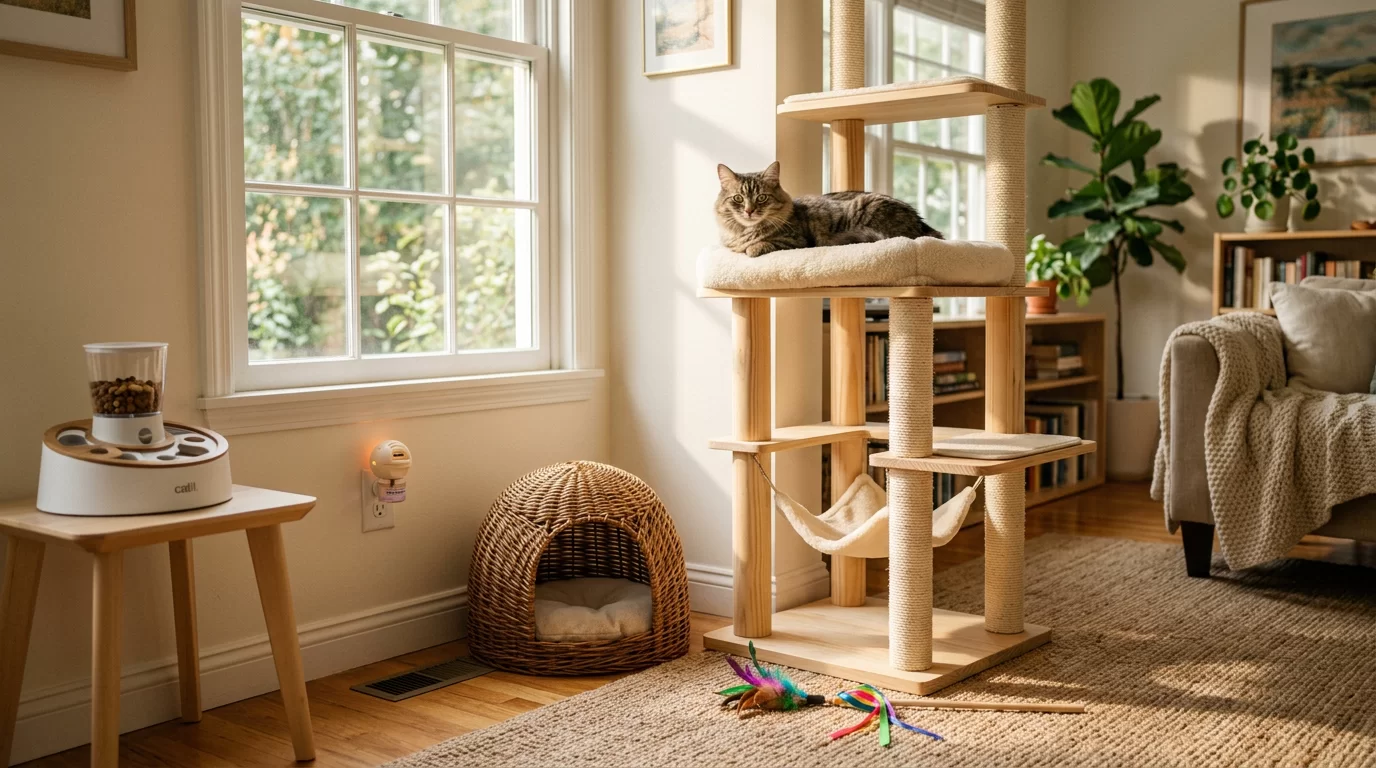
An anxious cat can leave even the most devoted owner feeling helpless. A cat that hides under the bed, over-grooms until bald patches appear, or suddenly starts spraying furniture is not being “difficult.” These behaviors are often the only way a stressed feline can communicate distress. While some anxiety is a normal part of a cat’s survival instinct, chronic anxiety erodes quality of life and can lead to serious health issues like feline idiopathic cystitis or gastrointestinal problems. Understanding the subtle signs, recognizing the root causes, and knowing how to intervene effectively can turn a tense household back into a safe haven. For many owners, the journey begins with a simple, unsettling observation: the cat they once knew seems to have vanished behind a veil of fear or aggression. This article walks through the most common anxious behaviors, what drives them, and practical, evidence-based ways to help a cat feel secure again.
In This Article
- Recognizing The Subtle Signs Of Cat Anxiety
- Common Triggers That Fuel Feline Stress
- How Anxiety Manifests In Different Cats
- Veterinary Checkups: Ruling Out Medical Causes
- Environment Enrichment And Safe Spaces
- Routine, Predictability, And Calming Aids
- Behavior Modification Techniques That Work
- When To Consult A Veterinary Behaviorist
Recognizing The Subtle Signs Of Cat Anxiety
Anxiety in cats rarely announces itself with a single, obvious symptom. Instead, it often creeps in through changes in routine behavior that owners may initially dismiss. A cat that used to greet visitors but now retreats to the top of the cat tree for hours is displaying avoidance, a hallmark of anxiety. Similarly, a cat that suddenly starts urinating on the owner’s bed or scratching furniture excessively is not being spiteful — that behavior is often a stress-related marking response.
Common physical signs include dilated pupils, flattened ears, a tucked tail, and a tense body posture. Some anxious cats will exhibit piloerection (hair standing up) along the spine, while others may begin to drool or pant, especially during car rides or vet visits. Changes in appetite are another red flag: some cats stop eating when stressed, while others engage in stress-eating. Gastrointestinal upset, such as vomiting or diarrhea, can also be linked to chronic anxiety.
One of the most overlooked signs is over-grooming. Unlike normal grooming, which keeps the coat healthy, anxiety-driven grooming often targets the belly, inner thighs, or lower back — areas the cat can easily reach while lying down. Over time, this can lead to alopecia, skin infections, or even self-mutilation. Recognizing these early indicators gives owners a chance to intervene before the behavior becomes entrenched.
Common Triggers That Fuel Feline Stress
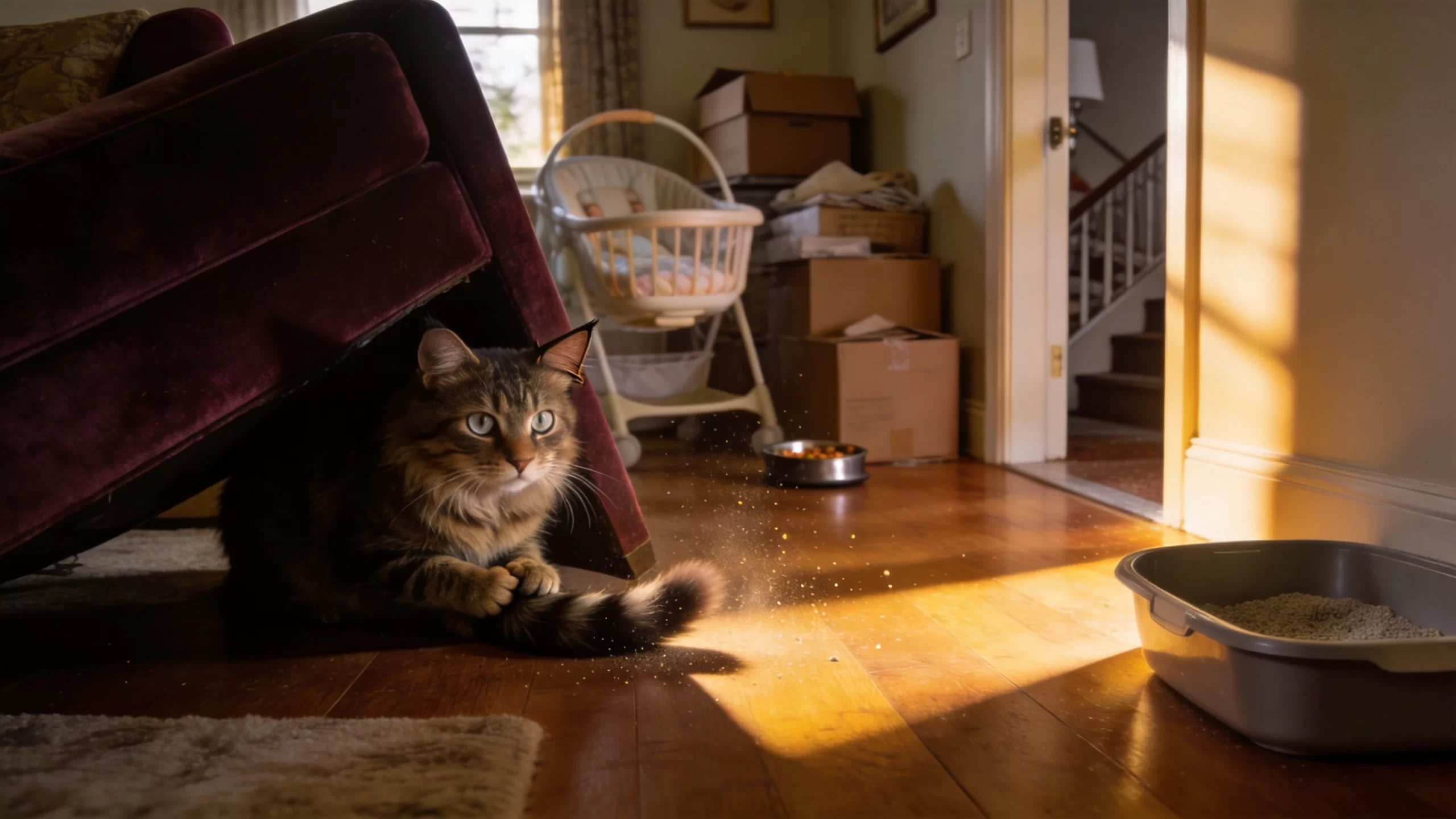
Cats are creatures of habit, and disruptions to their environment are among the most potent triggers of anxiety. The introduction of a new pet or a new baby is a classic example. A cat that once had a calm territory can suddenly feel its resources — food bowls, litter boxes, sleeping spots — are under threat. Even something as seemingly minor as rearranging furniture can unsettle a sensitive cat.
Changes in the household routine, such as a new work schedule or a family member moving out, can also provoke anxiety. Cats rely on predictable rhythms; when those rhythms shift, uncertainty rises. Outdoor cats may experience anxiety from territorial disputes with neighborhood cats, visible through windows or heard through doors. In multi-cat households, tension between residents can create chronic low-grade stress that manifests as hiding, hissing, or litter-box avoidance.
Medical issues are another frequent trigger. Pain from dental disease, arthritis, or hyperthyroidism can cause a cat to act fearful or aggressive simply because it feels vulnerable. The ASPCA notes that a sudden onset of anxiety symptoms should always prompt a veterinary evaluation first, as behavior changes often have an underlying medical cause.
How Anxiety Manifests In Different Cats
No two cats express anxiety identically. While one cat may freeze and avoid all interaction, another may become hypervigilant, pacing, or yowling. Some cats redirect their anxiety into aggression toward humans or other pets. Understanding the individual variation helps owners tailor their response.
Age and temperament play a significant role. Kittens and young adults who were poorly socialized during the sensitive period (roughly 2–9 weeks of age) are more prone to fear-based anxiety later in life. Senior cats, on the other hand, may develop anxiety secondary to cognitive dysfunction or chronic pain. Purebred cats with high-strung temperaments, such as Siamese or Bengal, may also be predisposed to anxiety disorders.
It is also important to distinguish between situational anxiety — triggered by a specific event — and generalized anxiety, where the cat seems perpetually on edge. Situational anxiety often resolves once the trigger is removed. Generalized anxiety, however, requires a more comprehensive management approach that addresses the cat’s overall environment and routine.
Veterinary Checkups: Ruling Out Medical Causes
Before embarking on any behavioral modification plan, a thorough veterinary examination is essential. The Cornell Feline Health Center emphasizes that many behavioral issues, particularly those involving urination, aggression, or vocalization, have a medical root. Conditions such as urinary tract infections, hyperthyroidism, kidney disease, and arthritis can all present as anxiety-like behavior.
A proper workup typically includes bloodwork, a urinalysis, and sometimes imaging to rule out pain or organ dysfunction. For cats showing signs of cognitive decline, such as disorientation or night-time vocalization, a neurological assessment may be warranted. Once medical causes are eliminated, the focus can shift to environmental and behavioral interventions.
Owners should keep a detailed log of the cat’s symptoms, including when they started, what seems to trigger them, and how the cat responds to interventions. This diary is invaluable for the veterinarian and later for any behavior consultant.
Environment Enrichment And Safe Spaces
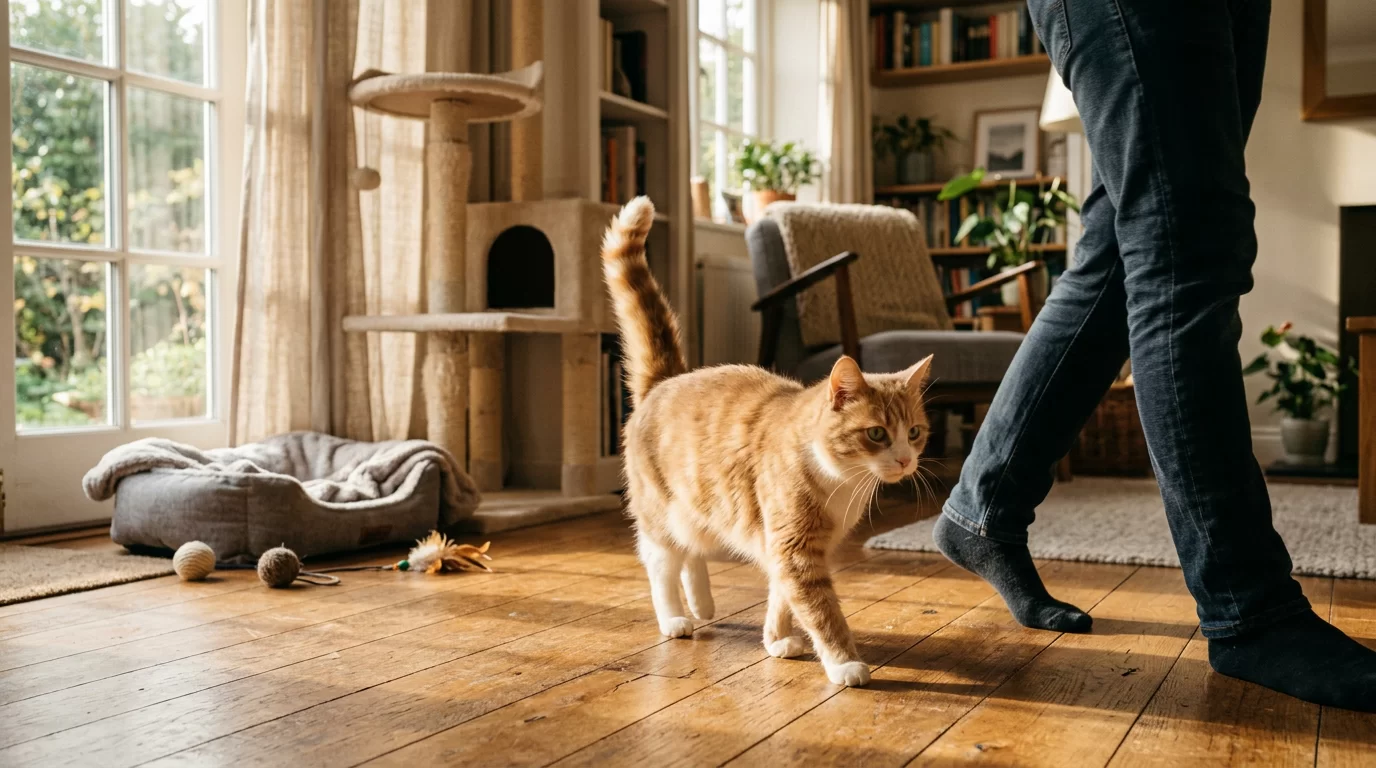
The single most effective step owners can take to reduce anxiety is to create a cat-friendly home that meets the species’ innate needs. Cats are territorial, solitary hunters by nature, and their environment should reflect that. Providing vertical space — cat trees, wall shelves, window perches — allows the cat to escape to higher ground when feeling threatened. This is not a luxury; it is a fundamental safety need.
Hiding spots are equally important. Cardboard boxes, covered cat beds, or even a dedicated closet space can serve as a sanctuary. The American Association of Feline Practitioners (AAFP) recommends at least one hiding spot per cat plus one extra in multi-cat households. These spots should be located in quiet areas away from foot traffic and loud noises.
Litter box management is another critical component. A anxious cat may avoid a box that is dirty, covered, or in a high-traffic location. The general rule is one box per cat plus one extra, placed in different locations. Unscented, clumping litter is generally preferred, and boxes should be scooped daily and fully cleaned weekly.
Food and water should also be presented in ways that reduce stress. Placing bowls away from each other and away from the litter box mimics the cat’s natural preference to separate elimination from eating. Puzzle feeders can engage a cat’s hunting instincts and provide mental stimulation that alleviates boredom-related anxiety.
Routine, Predictability, And Calming Aids
Cats thrive on predictability. Establishing a consistent daily schedule for feeding, play, and quiet time can dramatically reduce anxiety. Play sessions — especially those that mimic hunting, with wand toys that allow the cat to pounce and catch — provide an outlet for pent-up energy and mimic the satisfaction of a successful hunt. The AAFP recommends at least two 10–15 minute interactive sessions per day.
Calming aids can be useful adjuncts. Synthetic feline facial pheromone diffusers, such as those containing Feliway, mimic the natural cheek-marking pheromone that signals safety and familiarity. Many veterinary behaviorists recommend placing diffusers in rooms where the cat spends the most time. These products are available at major retailers like Chewy and Amazon, typically ranging from $20–$40 per diffuser kit.
Nutraceuticals containing L-theanine, colostrum calming complex, or casein hydrolysate are also available. Products like Zylkene or Composure can be added to food. For more severe cases, veterinarians may prescribe medications such as fluoxetine (Prozac for cats) or clomipramine (Clomicalm). These should only be used under professional guidance and in conjunction with environmental modifications.
Behavior Modification Techniques That Work
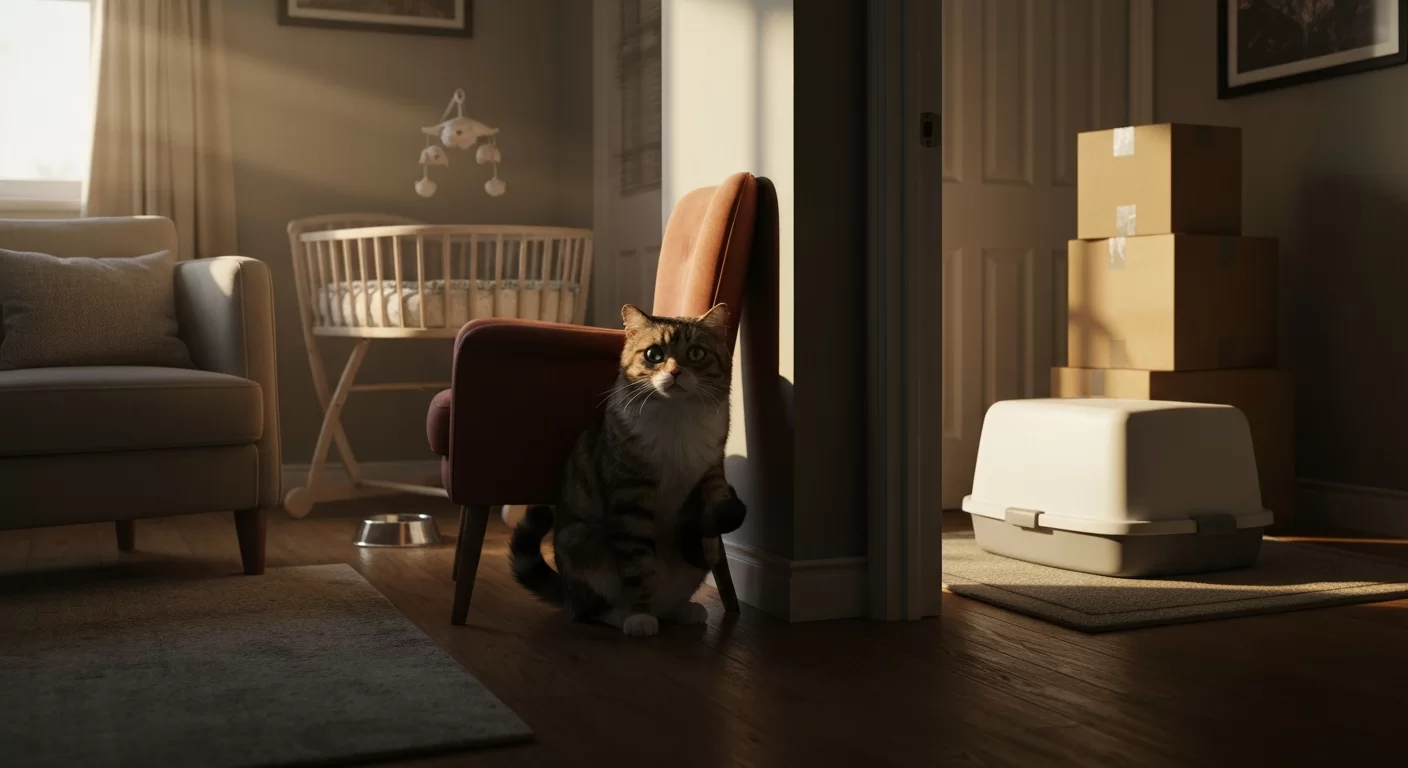
Operant conditioning using positive reinforcement is equally powerful. Luring a cat away from a trigger with a treat and rewarding calm behavior builds positive associations. Punishment, on the other hand, is never appropriate for an anxious cat. Yelling, spraying with water, or physical corrections only increase fear and damage the human-animal bond.
Clicker training can be a highly effective tool. The click marks the exact moment of desired behavior (e.g., a relaxed posture), and the treat rewards it. Over time, the cat learns that being calm leads to good things. This technique works especially well for cats that are food-motivated.
When To Consult A Veterinary Behaviorist
While many cases of cat anxiety can be resolved or managed with environmental changes and calming aids, some require professional intervention. A veterinary behaviorist is a veterinarian with advanced training in animal behavior. The American Veterinary Medical Association (AVMA) recognizes this specialty, and board-certified behaviorists can be found through the American College of Veterinary Behaviorists (ACVB).
Signs that professional help is needed include aggression that poses a risk to humans or other pets, litter-box avoidance that persists despite medical and environmental adjustments, self-injury through over-grooming or tail chewing, and severe phobias that cause the cat to stop eating or drinking. Behaviorists will often conduct a detailed history, observe the cat, and create a customized treatment plan that may include medication, behavior modification protocols, and follow-up visits.
In some cases, a certified cat behavior consultant (CCBC) — typically not a veterinarian but a specialist trained in feline behavior — can also be helpful, especially for milder anxiety cases. The International Association of Animal Behavior Consultants (IAABC) maintains a directory.
The key is to act early. Chronic anxiety can become deeply ingrained, making it harder to resolve over time. The longer the cat lives in a state of stress, the more likely it is to develop secondary physical problems, such as chronic lower urinary tract disease or inflammatory bowel disease.
For many owners, the moment they recognize their cat’s distress and take action is the turning point. By understanding the signs, addressing the causes, and providing a safe, enriched environment, it is possible to restore a cat’s sense of security and bring back the calm, confident companion they remember. Small, consistent changes — a new hiding box, a daily play session, a pheromone diffuser — can make a profound difference. The effort is not just about stopping unwanted behaviors; it is about giving a beloved cat a happier, healthier life.