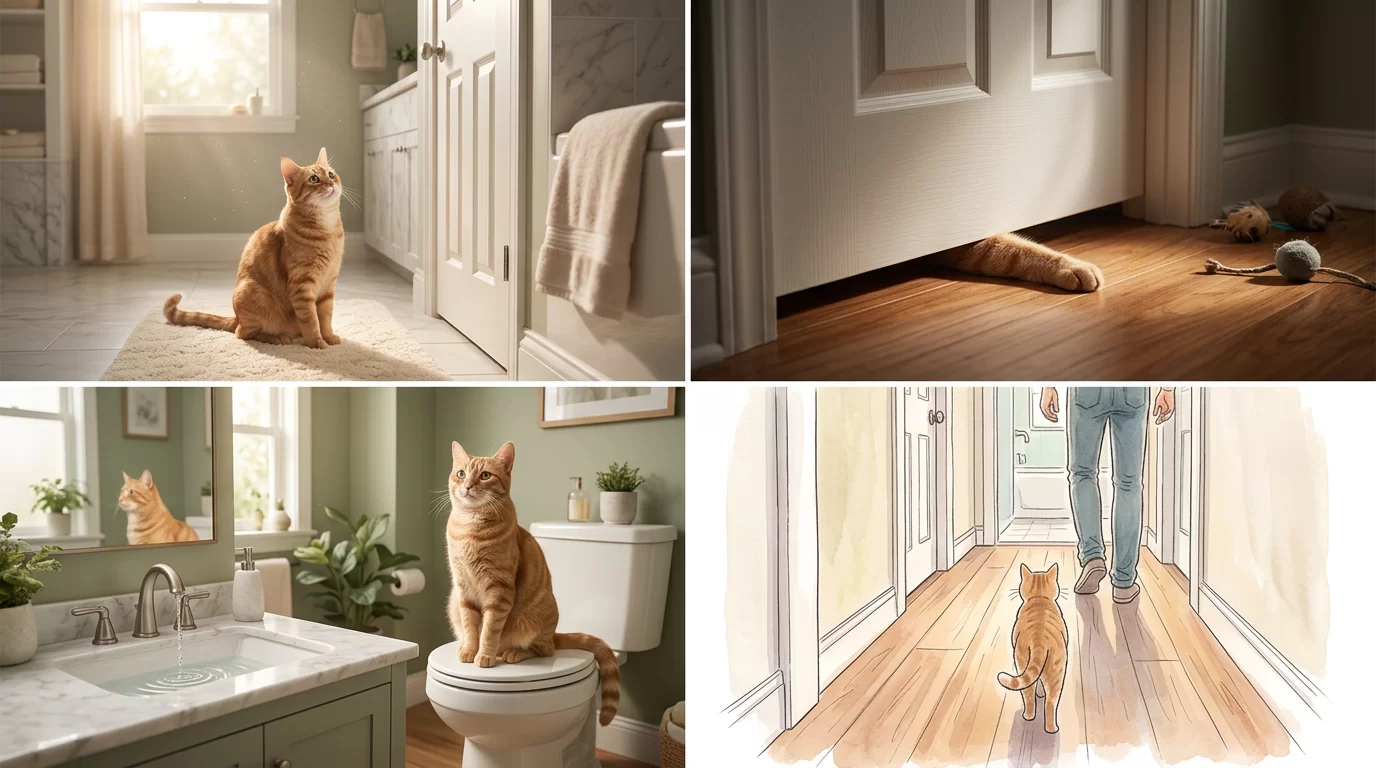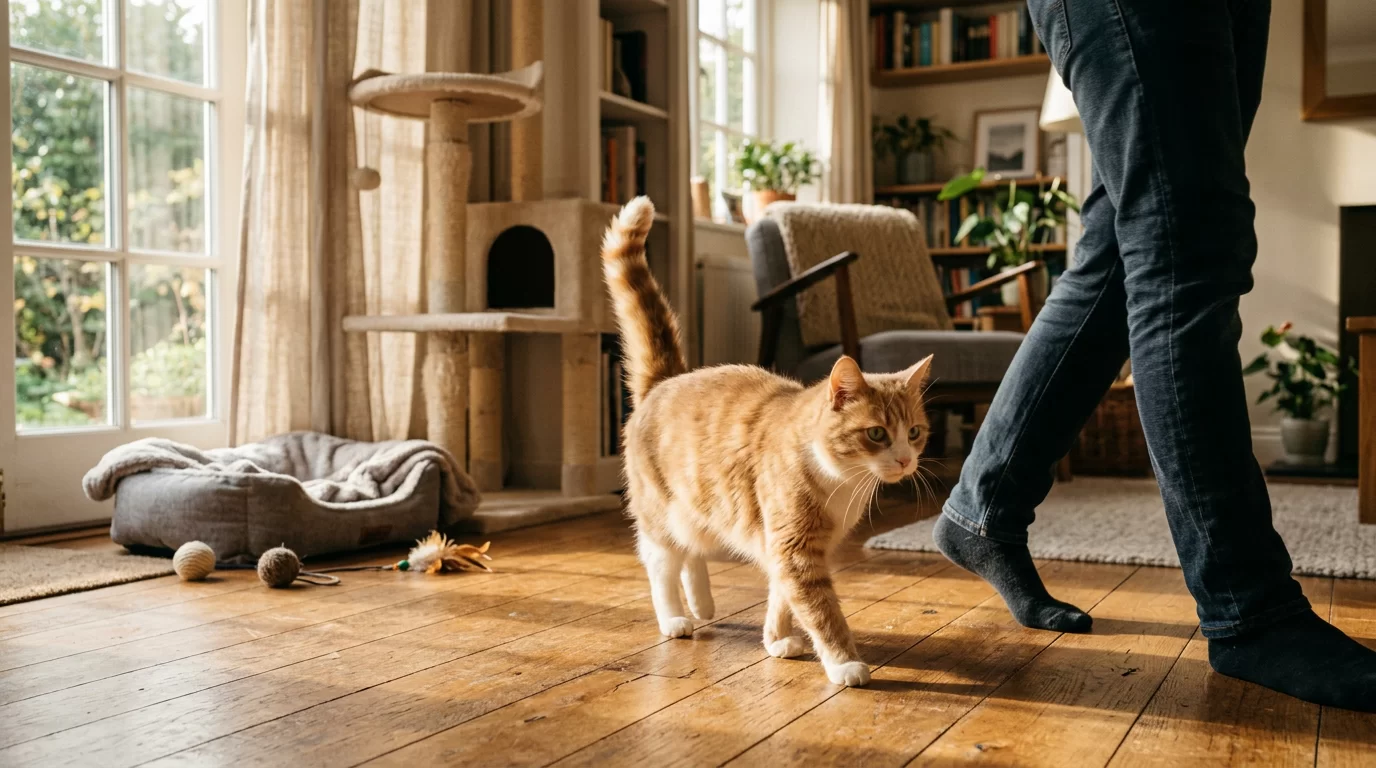
Millions of cat owners have experienced the curious sensation of turning around to find a feline shadow just a few steps behind. Whether padding into the kitchen, heading up the stairs, or simply moving from the couch to the desk, a cat that follows its person around the house is a common but often puzzling behavior. This persistent companionship can feel endearing, amusing, or even a little concerning, depending on the context. Understanding why cats follow their owners requires looking beyond simple affection and into the complex world of feline psychology, communication, and instinct. While some reasons are heartwarming, others may signal underlying stress or health issues that deserve attention. By exploring the vet-reviewed meanings behind this behavior, owners can better interpret their cat’s needs and strengthen the bond they share.
In This Article
•The Most Common Reasons Cats Follow Their Owners
•Affection and Bonding: What the Experts Say
•Curiosity and Supervision: Your Cat’s Natural Instincts
•Medical or Anxiety-Related Following? When to Be Concerned
•How to Respond When a Cat Follows Everywhere
•Understanding the Difference Between Healthy and Compulsive Following
The Most Common Reasons Cats Follow Their Owners
At its core, following is a form of communication. Cats are not pack animals like dogs, but they do form strong social attachments with the humans they trust. A cat that follows its owner from room to room is often simply seeking proximity to a safe, familiar figure. This behavior is especially common in cats that were hand-raised or adopted as kittens, as they may view their owner as a surrogate parent. Other motivations include curiosity about what the human is doing, anticipation of food or play, and the simple desire to be part of the household activity. In multi-cat households, a cat may follow its owner to avoid conflict with another feline or to claim a favorite person as a resource.
Affection and Bonding: What the Experts Say
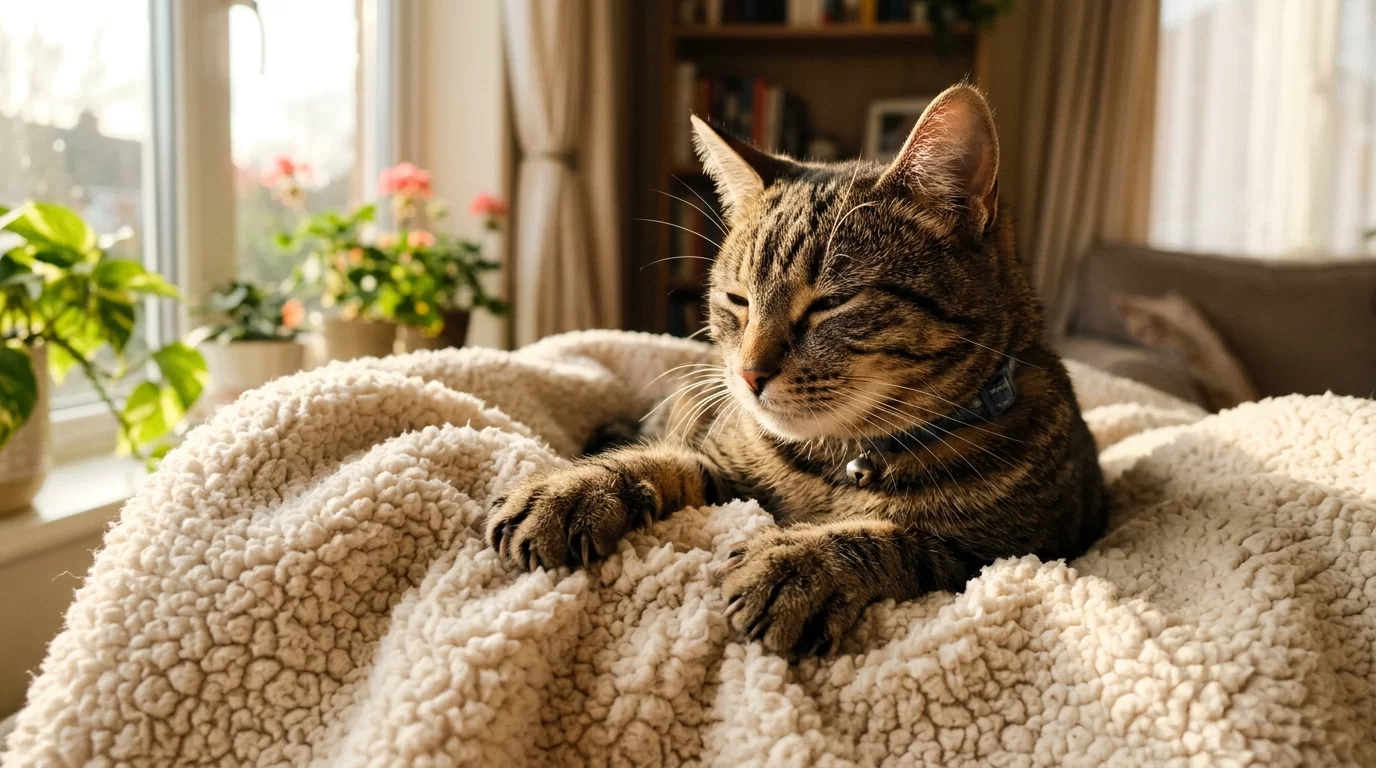
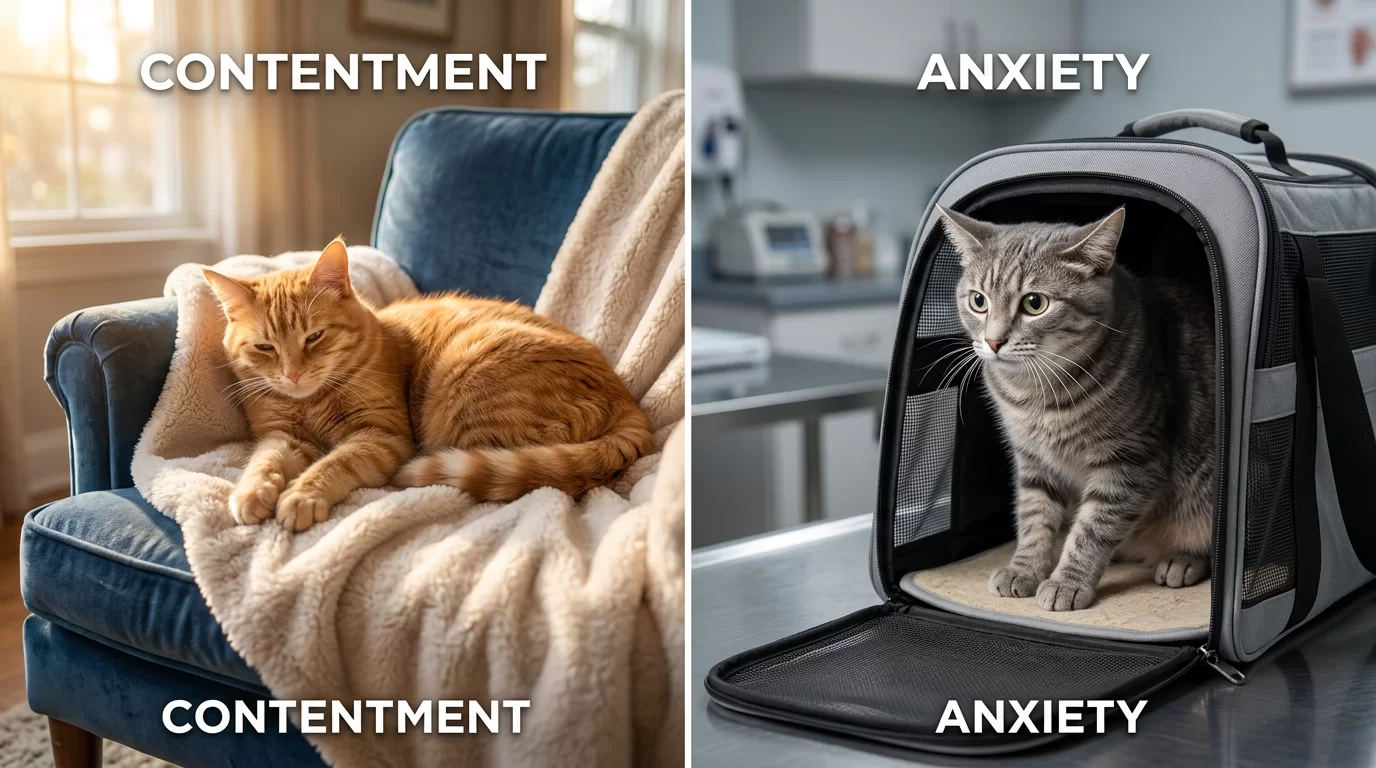
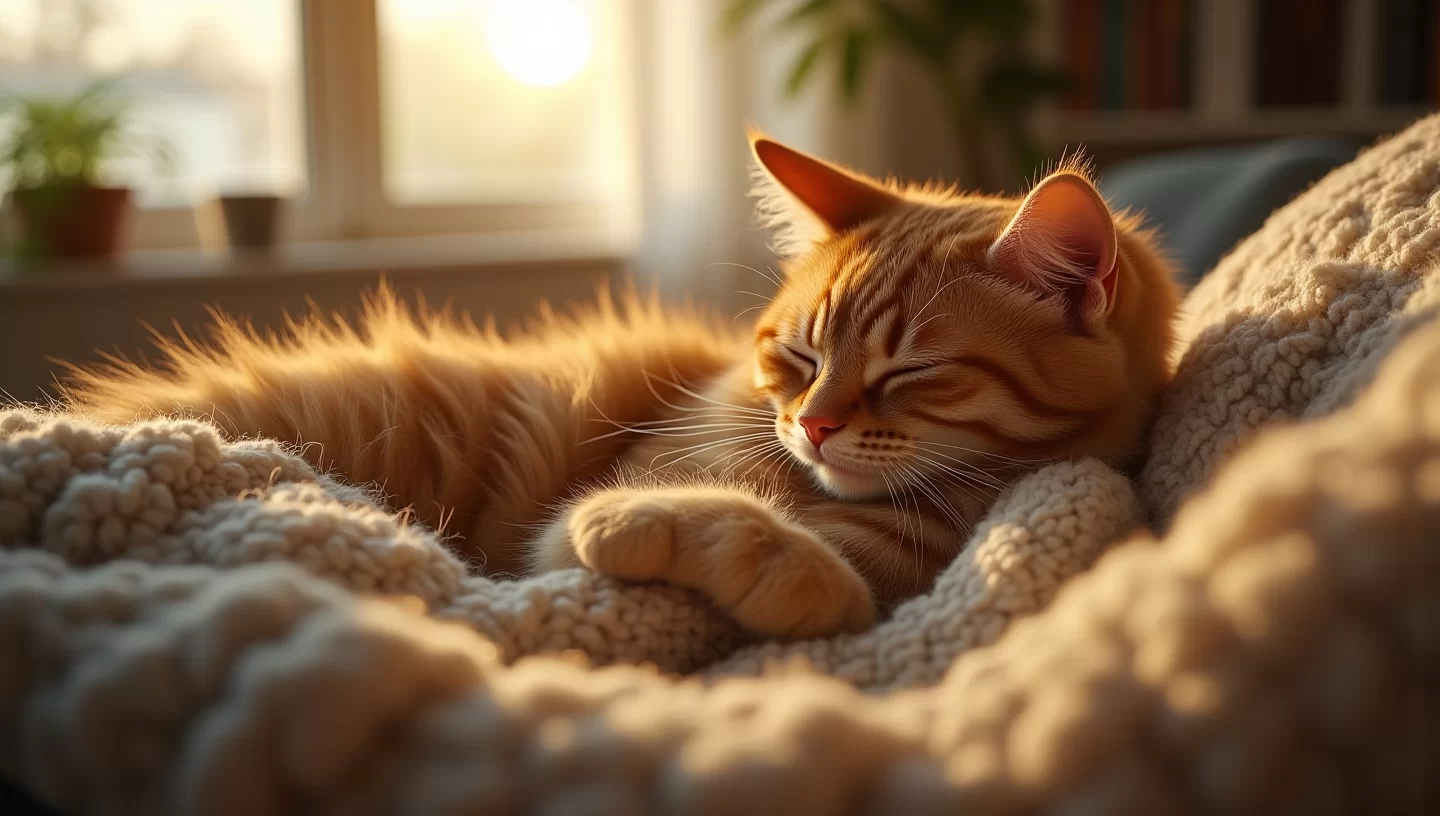
Veterinary behaviorists often categorize following as a sign of a secure attachment. When a cat chooses to stay close, it is usually because the human provides comfort, warmth, and predictability. This bond is reinforced through positive interactions such as feeding, gentle petting, and play sessions. Some cats also engage in cat bunting—rubbing their head against a person’s legs or hands—as a way to deposit scent glands and mark their human as part of their territory. Following and bunting together form a clear message: “You are mine, and I feel safe with you.” Affection-based following is typically relaxed; the cat may purr, blink slowly, or maintain a loose, happy posture.
Curiosity and Supervision: Your Cat’s Natural Instincts
Medical or Anxiety-Related Following? When to Be Concerned
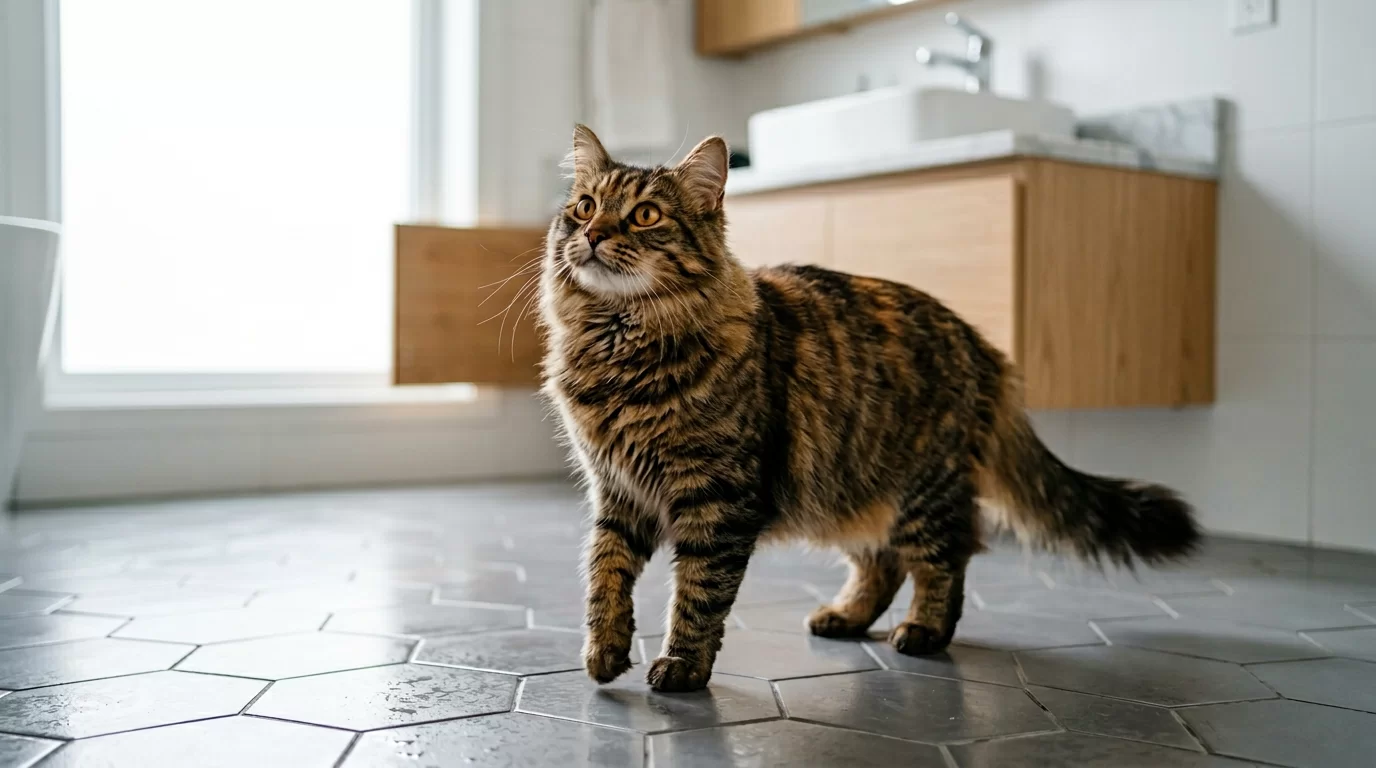
Not all following is benign. A sudden increase in following behavior, especially if accompanied by vocalization, hiding, or changes in appetite, may indicate an underlying problem. Cats experiencing pain, cognitive decline, or sensory loss (such as failing eyesight or hearing) often seek extra reassurance from their owner. Similarly, feline anxiety can drive a cat to stick close to its human as a coping mechanism. Anxiety-related following is often tense: the cat may flatten its ears, twitch its tail, or refuse to be separated even for short periods. Owners should also watch for compulsive following—pacing, circling, or excessive meowing—which can indicate obsessive-compulsive tendencies or neurological issues. If a cat’s clinginess appears out of character or interferes with its normal routine, a veterinary checkup is warranted to rule out medical causes.
How to Respond When a Cat Follows Everywhere
Most of the time, a following cat simply wants attention or company. The best response is to acknowledge the behavior without reinforcing neediness. Offering a brief petting session, a treat, or a short play break can satisfy the cat’s social need, then allow it to settle independently. For anxious cats, creating a predictable daily schedule and providing environmental enrichment—such as puzzle feeders, climbing trees, and window perches—can reduce reliance on the owner for security. If the cat follows out of hunger, feeding smaller, more frequent meals may help. In homes where a cat becomes overly clingy during the owner’s work hours, interactive toys or a companion cat may provide comfort. Consistent, gentle boundaries teach the cat that following is okay, but that independence is also safe.
Understanding the Difference Between Healthy and Compulsive Following
A healthy following cat moves freely between proximity and distance. It may follow for a few minutes, then stop to groom, play, or nap alone. Compulsive following, by contrast, is relentless and interferes with the cat’s other behaviors. The cat may refuse to eat unless the owner is present, pace anxiously when the owner leaves the room, or vocalize constantly. This pattern can be linked to separation anxiety, early weaning, or a traumatic past. While some cats naturally have a “velcro” personality, any following that seems driven by fear or distress should be evaluated. Recognizing the nuances of feline behavior—including why cats purr in different contexts—helps owners distinguish between a happy companion and a cat that needs extra support.
A cat that chooses to follow its human is offering a unique form of trust. For most cats, this behavior is a quiet testament to the security and affection they feel in their home. Owners can take comfort in knowing that a gentle feline shadow is usually a sign of a strong bond, built on mutual respect and daily care. By staying attuned to the context and any accompanying signals, it becomes easier to respond in ways that nurture both independence and connection. Whether the motivation is curiosity, comfort, or simply the hope of a treat, understanding the reasons behind the footsteps deepens the relationship between cat and owner, making even the most ordinary moments feel meaningful.