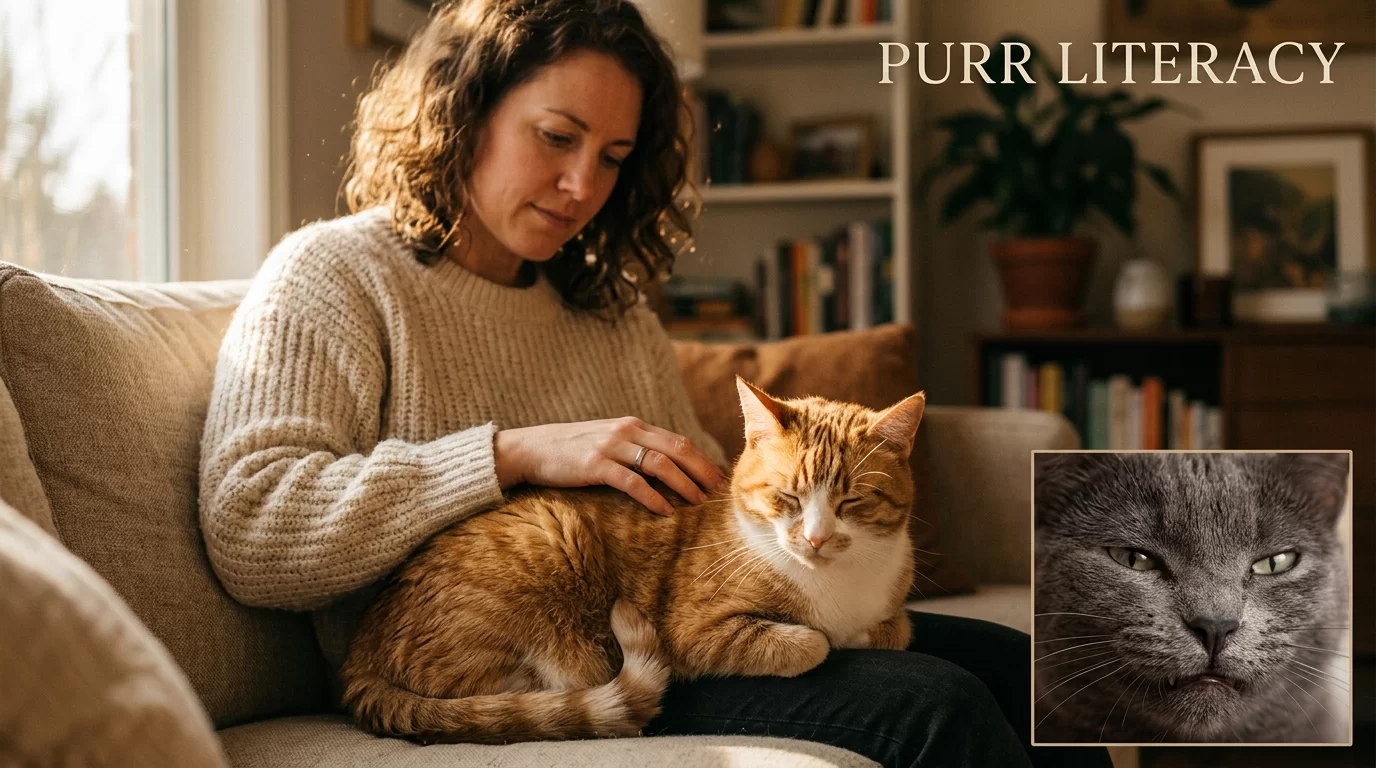
The rhythmic, low-frequency hum of a cat’s purr is one of the most recognizable sounds in the animal kingdom—and one of the most misunderstood. For decades, pet owners assumed purring was simply a sign of a happy cat, a sonic reward for a well-placed scratch behind the ears. Modern veterinary neurobiology tells a far more complex story. A purr is not a single emotion translated into sound; it is a neurophysiological event that can signal comfort, self-soothing, social bonding, or even physical distress. With the rise of smart pet monitors and acoustic pattern analysis, researchers are now decoding the subtle variations in frequency, intensity, and cadence that separate a contentment purr from a pain purr. Understanding these mechanics deepens the human-feline bond and helps owners recognize when a purring cat might actually need help, not just affection.
In This Article
- What Happens in a Cat’s Brain During Purring
- The Acoustic Signature of a Cat’s Purr
- Is Purring Always a Sign of Contentment?
- How to Tell if a Cat Is Purring Out of Happiness or Pain
- The Role of Tactile Stimulation in Triggering Purring
- When Purring Signals a Need for Help
- Practical Ways to Decode Your Cat’s Purr
What Happens in a Cat’s Brain During Purring
Purring originates deep in the feline central nervous system. A dedicated neural oscillator in the brainstem sends rhythmic signals to the laryngeal muscles and the diaphragm, causing them to oscillate between 25 and 150 times per second. During both inhalation and exhalation, the vocal folds rapidly separate and collide, producing the characteristic continuous hum that differs from the intermittent patterns of meows or hisses. This mechanism is not fully voluntary; rather, it is a reflex-like response modulated by the limbic system—the emotional processing center.
Neuroimaging studies in resting cats reveal that the same neural pathways that govern purring are closely linked to regions associated with maternal bonding and pain relief. When a cat purrs, endorphins and oxytocin levels often rise, which helps explain why cats may purr in both blissful and stressful situations. The brain essentially uses purring as a tool for emotional regulation, not merely as an outward expression of a single mood.
The Acoustic Signature of a Cat’s Purr
Acoustic analysis has identified two distinct purr types that share the same frequency range but differ markedly in their harmonic structure and sound pressure. The first type, often called the “solicitation purr,” embeds a high-frequency cry-like component within the low hum—similar to a baby’s distress call. This purr is more urgent and can sound almost grating. Cats deploy it when they want food or attention, and human listeners consistently rate it as more annoying and harder to ignore.
The second type is the “non-solicitation purr,” a smoother, more monotonous hum that typically accompanies relaxation. Researchers at the University of Sussex confirmed that even people with no cat experience distinguish between the two, demonstrating that the acoustic signature carries emotionally relevant information encoded over millennia of domestication. The distinction has practical implications: a purr that sounds unusually high-pitched or strained may indicate a cat in discomfort rather than one simply asking for dinner.
Is Purring Always a Sign of Contentment?
No. Cats purr during veterinary exams, labor, and even in the final moments of life. Ethologists observe purring in injured or ill cats, suggesting the vibration serves a self-healing function. The 25–50 Hz frequency range corresponds to frequencies that promote bone density and tissue regeneration in mammals, a phenomenon known as “therapeutic frequency.” This does not mean purring heals on its own, but it offers a fascinating glimpse into why cats might purr when their bodies are under stress.
Additionally, mother cats purr during nursing, and kittens begin purring within days of birth. This early purring is thought to help blind and deaf newborns locate their mother and signal well-being. In adult cats, purring during friendly encounters reinforces social bonds, but an identical purr can emerge when a cat isolates itself during pain—a stark reminder that context matters more than sound alone.
How to Tell if a Cat Is Purring Out of Happiness or Pain
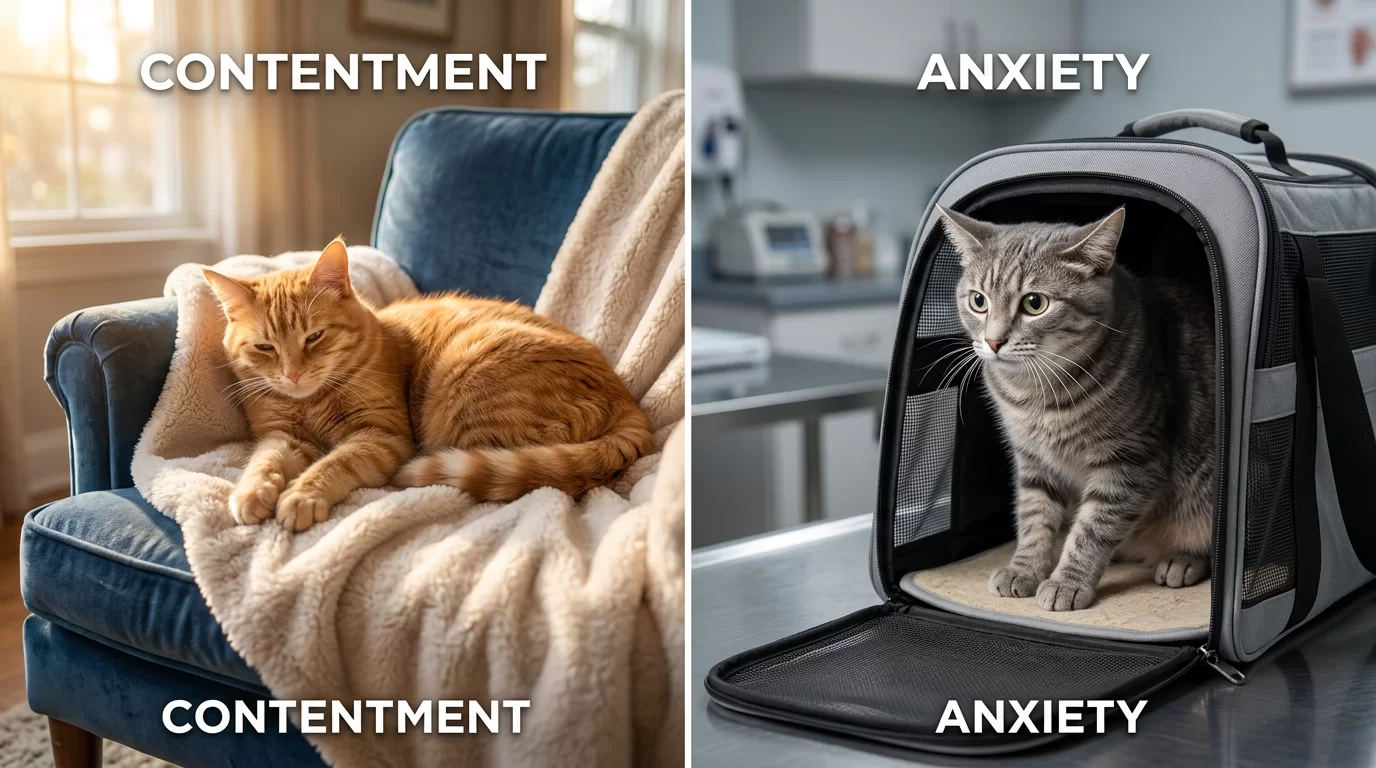
Decoding purr motivation requires observing the entire body, not just listening. A cat purring out of contentment will typically display relaxed muscle tone, half-closed eyes, a still or gently swishing tail held in a neutral position, and a posture of exposed belly or loaf-like relaxation. The purr itself is steady, soft, and rhythmic, often occurring during gentle tactile contact like ear rubs or chin scratches.
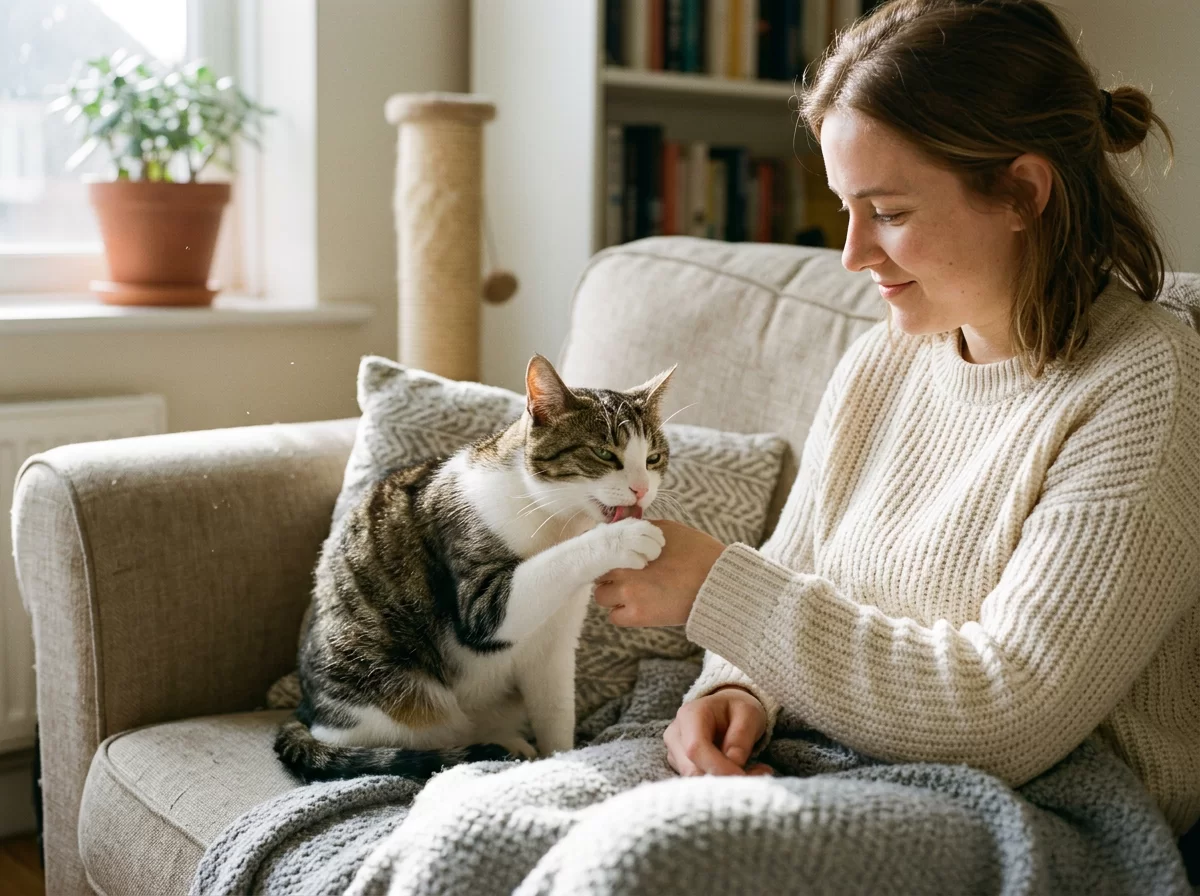
In contrast, a cat that purrs in response to pain or anxiety often shows subtle but distinct signs: flattened ears, a tightly wrapped tail, dilated pupils, tensed shoulders, and a hunched or crouched posture. The purr may sound raspier, spike intermittently, or be accompanied by shallow breathing. Cats in pain may also suddenly bite or lick the area being touched, a behavior linked to overstimulation. A cat that purrs during petting but then delivers a sudden nip is likely communicating that the tactile input has become overwhelming—this is where understanding cat bite then lick behavior can help owners recognize the warning signs before a bite occurs.
The following comparison can sharpen an owner’s observational skills:
| Indicator | Happiness Purr | Pain or Stress Purr |
|---|---|---|
| Body posture | Relaxed, sprawled, or loaf | Hunched, tense, hiding |
| Ear position | Forward or gently rotated | Flat, sideways, or flicking |
| Tail movement | Slow swish, tip curl, or still | Thrashing, wrapping tightly around body |
| Eye expression | Soft, blinking, half-closed | Dilated, wide, fixed stare |
| Purr quality | Smooth, even, low-pitched | Harsh, intermittent, or mixed with whining |
| Response to touch | Leans into contact, kneads | Withdraws, flinches, or turns head quickly |
When doubt persists, a gentle pause in petting will often clarify intent. A content cat will nuzzle for more; a pained cat will retreat or remain motionless, and any resumption of contact may trigger defensive behavior.
The Role of Tactile Stimulation in Triggering Purring
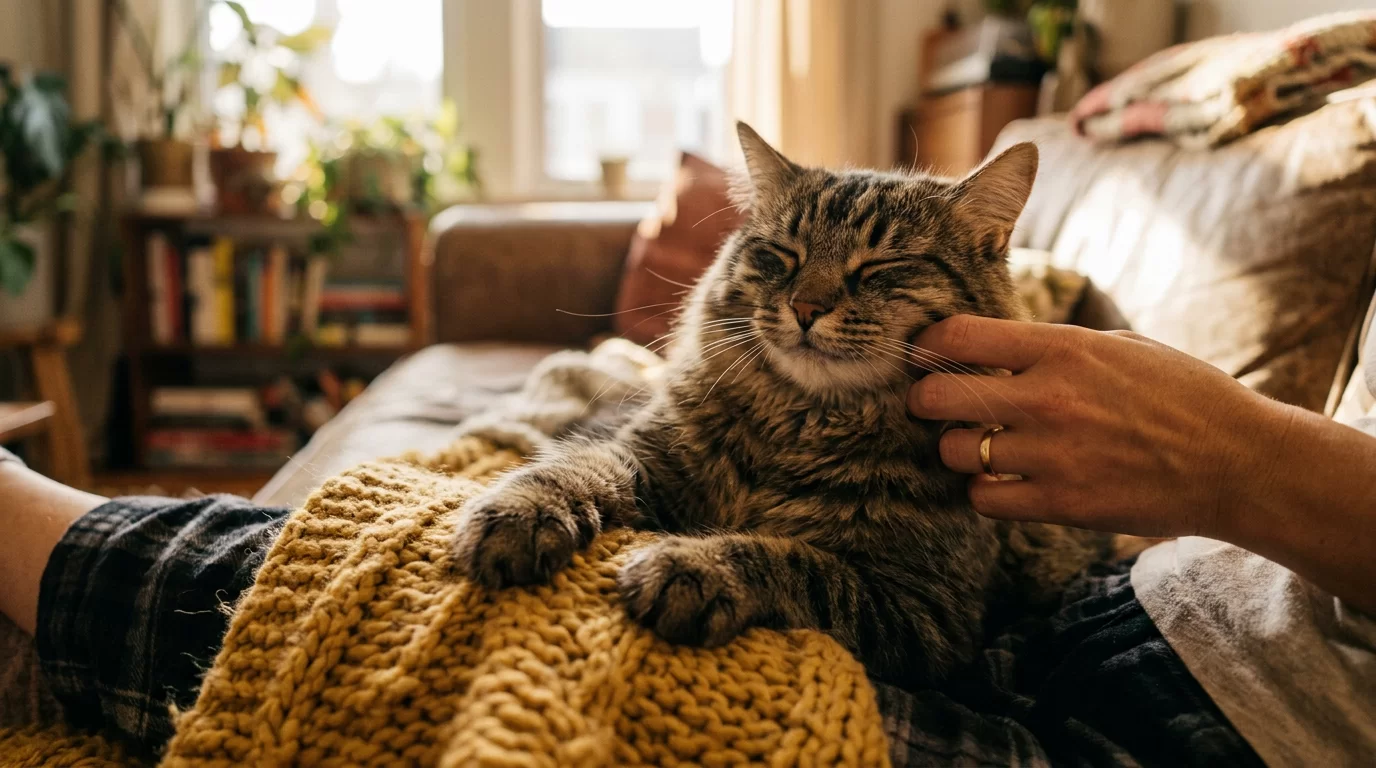
Kneading, often called making biscuits, is a classic comfort behavior that is almost always accompanied by a low, steady purr. Understanding cat kneading meaning can reveal whether your cat is feeling secure or anxiously self-soothing. Cats may knead soft blankets while purring vigorously, replicating the tactile sensations of nursing and linking the behavior to deep emotional states rooted in kittenhood.
However, the same tactile pathways can become hypersensitive in older cats with joint pain or nerve conditions. A cat that once purred through extended brushing sessions may begin to flinch or purr in a strained way, indicating that touch receptors are now registering discomfort rather than pleasure. Adjusting pressure, duration, and active grooming gestures to the cat’s real-time feedback becomes essential.
When Purring Signals a Need for Help
Any dramatic shift in purring patterns warrants attention. A normally vocal cat that suddenly stops purring altogether, or a typically quiet cat that begins purring ceaselessly while hiding, may be communicating a health issue. Conditions linked to altered purring include dental pain, arthritis, hyperthyroidism, and upper respiratory distress. The vibration produced during purring can strain inflamed tissues, which may cause a cat in respiratory difficulty to produce an audible rasp or wheeze along with the purr.
Veterinarians increasingly view purring as a complementary clinical sign. In emergency settings, a cat purring through a physical exam while simultaneously showing a pained facial expression—flat ears, squinted eyes, muzzle tension—is a red flag. Owners should record video of unusual purring episodes, noting the context, duration, and any accompanying behaviors, and share these with their veterinarian.
Practical Ways to Decode Your Cat’s Purr
Developing purr literacy takes time and observation. Start by building a personal baseline: note how your cat purrs when relaxed, when greeting you, and when food is anticipated. Keep a simple log or mental note of these “normal” purrs. Then, introduce intentional observation sessions during routine handling. Pay attention to how quickly the purr begins, whether it stops abruptly, and what the eyes and tail do in the same moment.
Gentle hands-on assessment helps. Stroke along the cheeks, chin, and base of the tail while monitoring the purr’s steadiness. If the purr wavers or halts when you move to a different body area, that area may be tender. Respect that boundary immediately. Use long, slow strokes rather than rapid patting, which can overstimulate touch receptors and inadvertently trigger stress purring.
When in doubt, step back and give the cat space. A quiet, safe environment often resets the nervous system, allowing the true nature of the purr to emerge. Over time, an owner who learns to read these subtle signals will not only catch early signs of discomfort but will also cultivate a deeper, more empathetic relationship built on trust rather than assumption.
More than a simple vibration, a purr is a feline Swiss Army knife—a tool for connection, self-regulation, and even physical healing. Recognizing that it can mean many things frees owners from the outdated binary of happy versus not happy. The real question is not “Is my cat purring?” but “What is my cat’s whole body telling me while the purr is happening?” By tuning into posture, ear set, eye shape, and context, owners can translate the subtle language of purring into genuine understanding. It’s a skill built on patience, observation, and the willingness to see purring as the complex, intelligent communication it truly is.