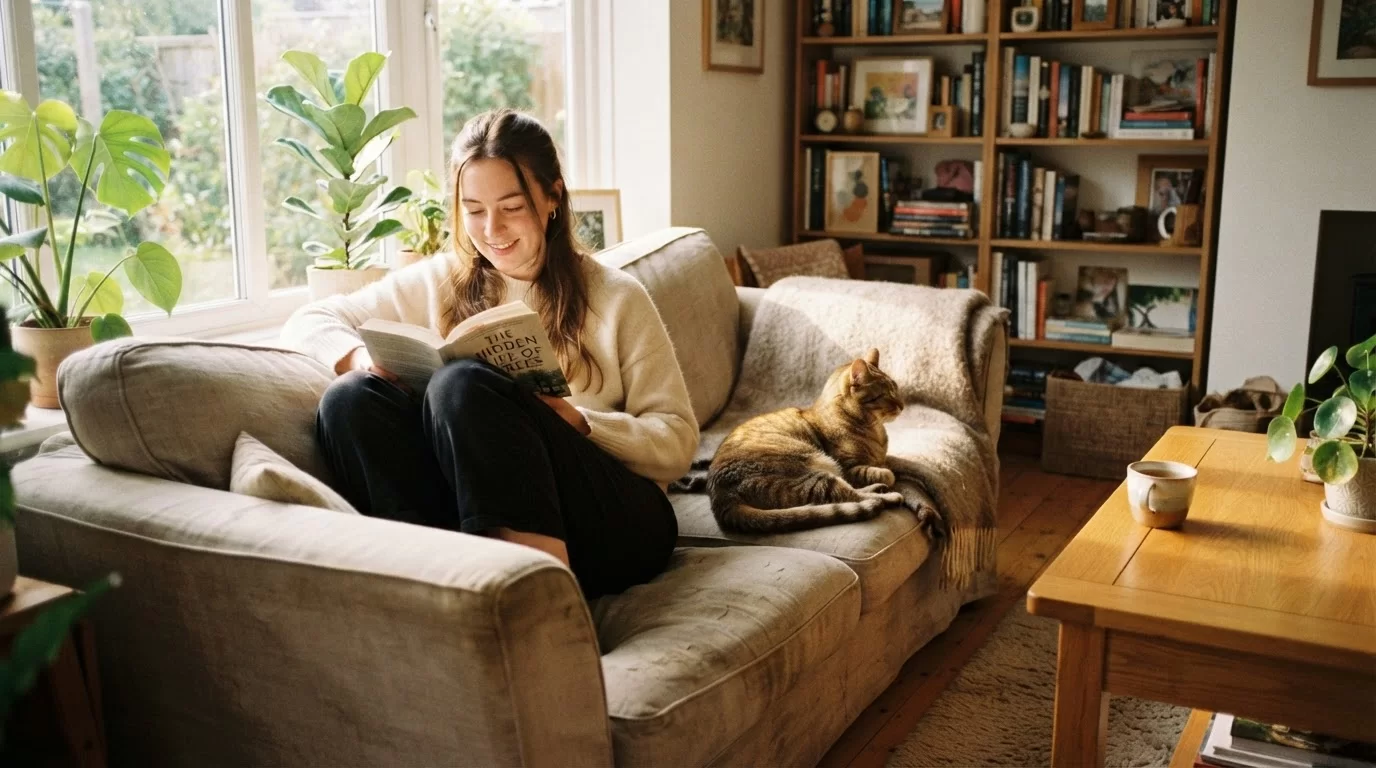
Cats show trust in quieter ways than dogs do. A cat may not rush to greet every guest or offer obvious approval, but small behaviors — slow blinking from across the room, choosing to nap nearby, turning their back while they sleep — can say a great deal about how safe they feel. For many cat owners, these signals matter because feline affection is often subtle and easy to misread.
Understanding cat trust signs can also help prevent unnecessary worry. A cat that does not enjoy being picked up may still be deeply bonded. A cat that sleeps at the foot of the bed may feel safer than one that demands constant touch. Modern feline behavior guidance, including resources from organizations such as International Cat Care and the American Association of Feline Practitioners, increasingly emphasizes reading body language in context rather than judging cats by human expectations of affection.
In This Article
• What Are the Clearest Signs a Cat Trusts You?
• Why Cats Show Trust Differently Than Dogs
• Common Cat Trust Signs and What They Mean
• Why Does My Cat Sleep With Their Back Turned Against Me?
• Signs Your Cat Feels Safe in the Home
• When “Trust” Behaviors May Actually Signal Stress
• How to Build Trust With a Cat Over Time
• What Long-Term Cat Trust Really Looks Like
What Are the Clearest Signs a Cat Trusts You?
A cat feels safe with a person when they voluntarily relax, sleep, eat, groom, play, or expose vulnerable body areas in that person’s presence. Trust does not always look like cuddling. In cats, trust often means the animal feels no need to stay on alert.
The strongest cat trust signs include slow blinking, sleeping near you, showing their belly without tension, grooming themselves around you, rubbing their face on you, following you calmly, kneading, purring with relaxed body language, and choosing to sit with their back turned because they do not perceive you as a threat.
A trusting cat may:
- Approach with a softly curved tail
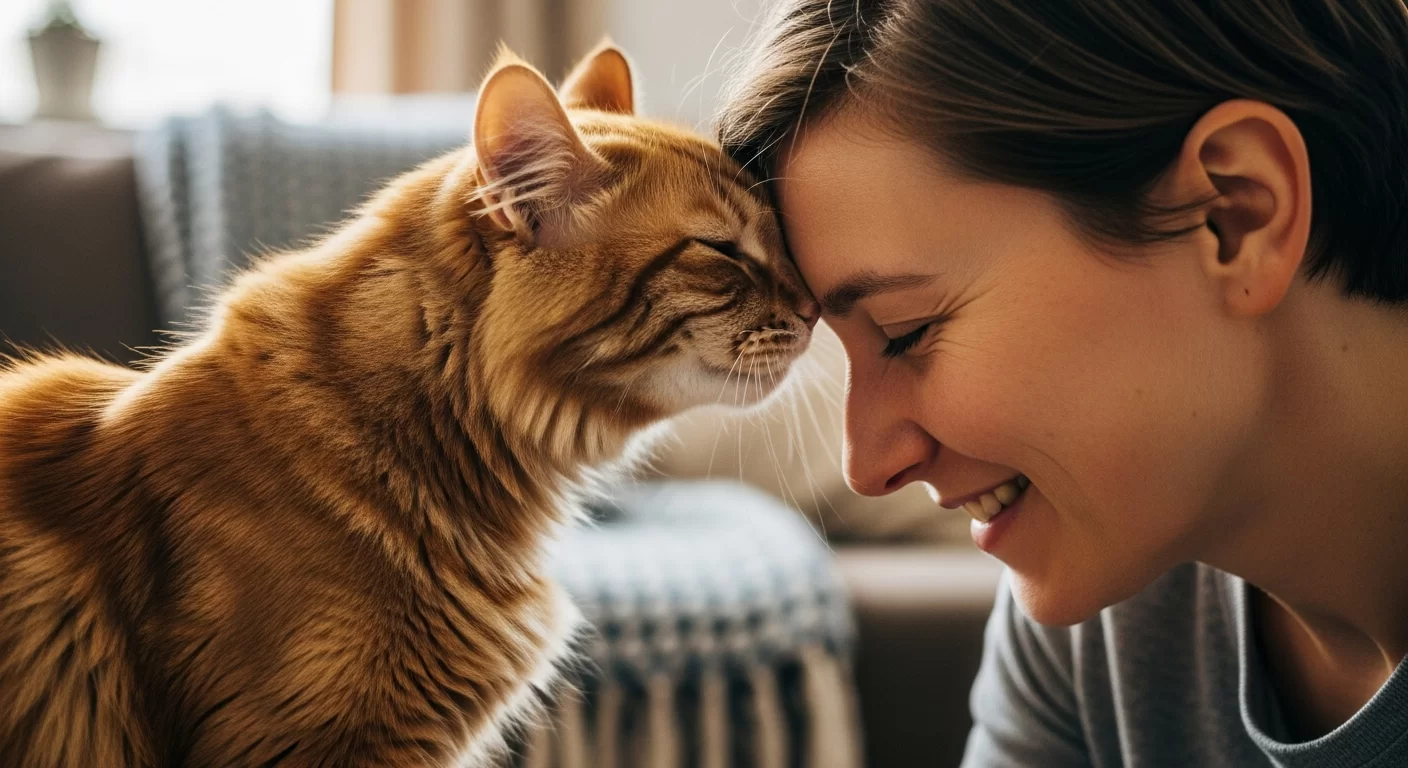
- Blink slowly while making gentle eye contact
- Sleep in the same room or on the bed
- Rub their cheeks or body against legs, hands, or furniture nearby
- Groom in your presence
- Stretch out rather than crouch tightly
- Bring toys or invite play
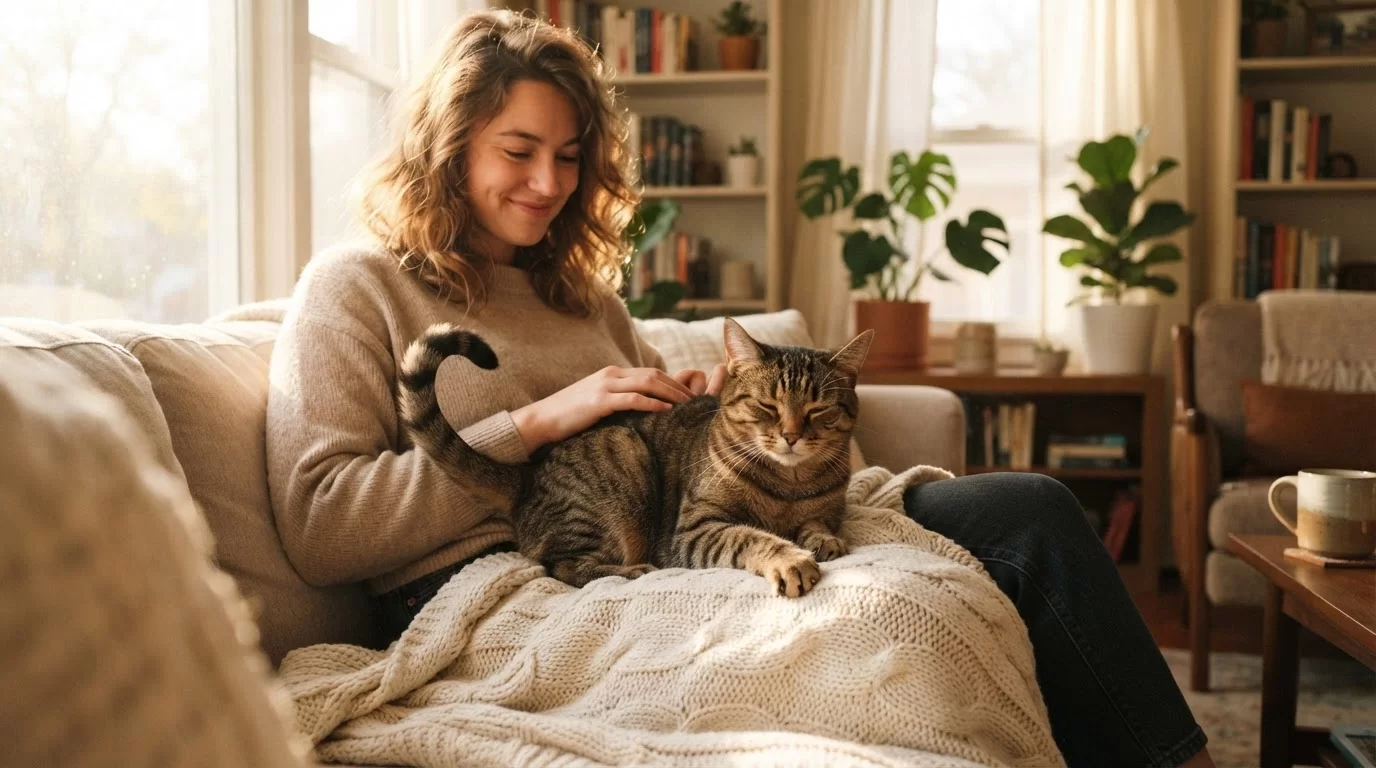
- Accept touch on their own terms
No single behavior proves a cat feels safe. The most reliable clue is the whole picture: loose muscles, normal appetite, regular litter box habits, curiosity, and the freedom to move away without fear.
Why Cats Show Trust Differently Than Dogs

Dogs often show trust through visible excitement, social approach, and repeated physical contact. Cats may show the same emotional comfort through stillness. A cat resting beside someone without demanding attention may be offering a high level of trust.
This difference can confuse owners who expect affection to look enthusiastic. A cat that chooses quiet proximity may be saying, in feline language, that the person is part of their safe territory. The behavior is especially meaningful when the cat has other options but repeatedly chooses the same person or room.
Common Cat Trust Signs and What They Mean
Cat body language is most accurate when read as a group of signals. The table below explains common signs that a cat feels safe and how to interpret them.
| Cat behavior | What it often means | What to look for |
|---|---|---|
| Slow blinking | Comfort, social bonding, low threat | Soft eyes, relaxed face, no staring |
| Sleeping near you | Safety and trust | Loose body, normal breathing, easy rest |
| Turning their back to you | Confidence that you are not dangerous | Relaxed posture, ears neutral |
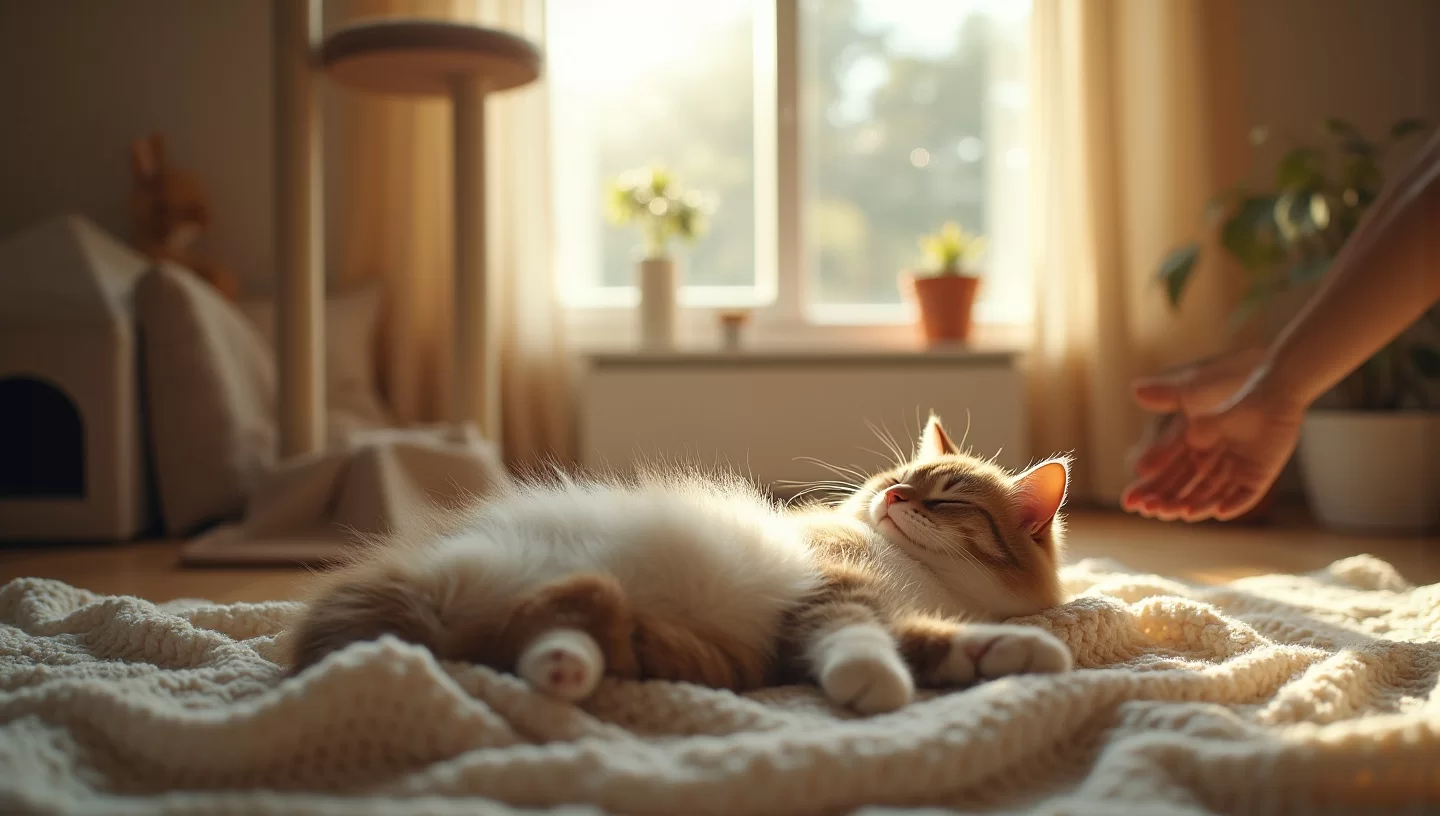
| Showing the belly | Vulnerability and comfort | Stretching, rolling, relaxed paws |
| Kneading | Contentment, kitten-like comfort behavior | Rhythmic paws, soft body |
| Head bunting or cheek rubbing | Scent marking and social bonding | Rubbing face, chin, or body on you |
| Grooming nearby | Feeling secure enough to focus on self-care | Normal grooming, not frantic licking |
| Tail upright with a curve | Friendly greeting | Tail up, body moving toward you |
| Following calmly | Social interest and attachment | Relaxed walking, no distress vocalizing |
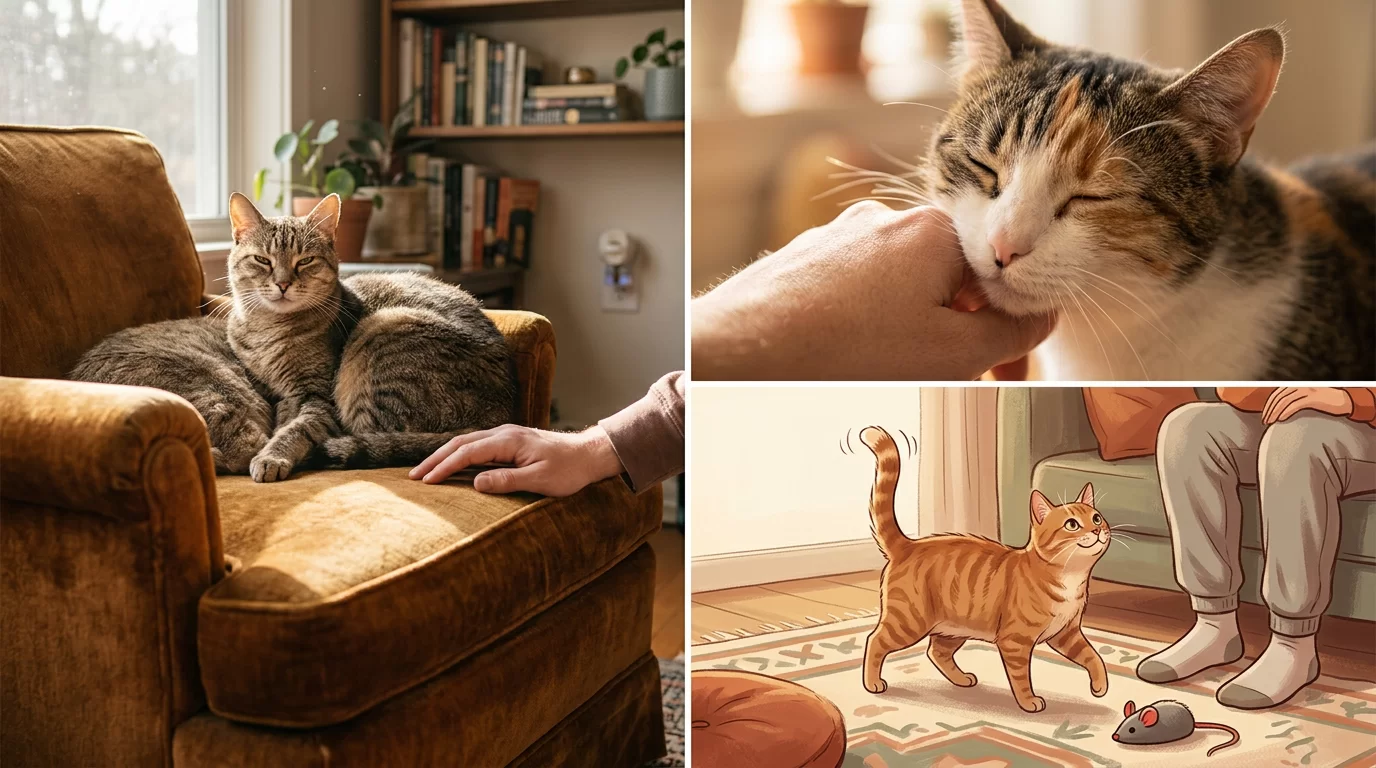
A cat that trusts someone may also sit close without touching. For some cats, especially those with cautious temperaments or rescue backgrounds, proximity is the primary love language.
Why Does My Cat Sleep With Their Back Turned Against Me?
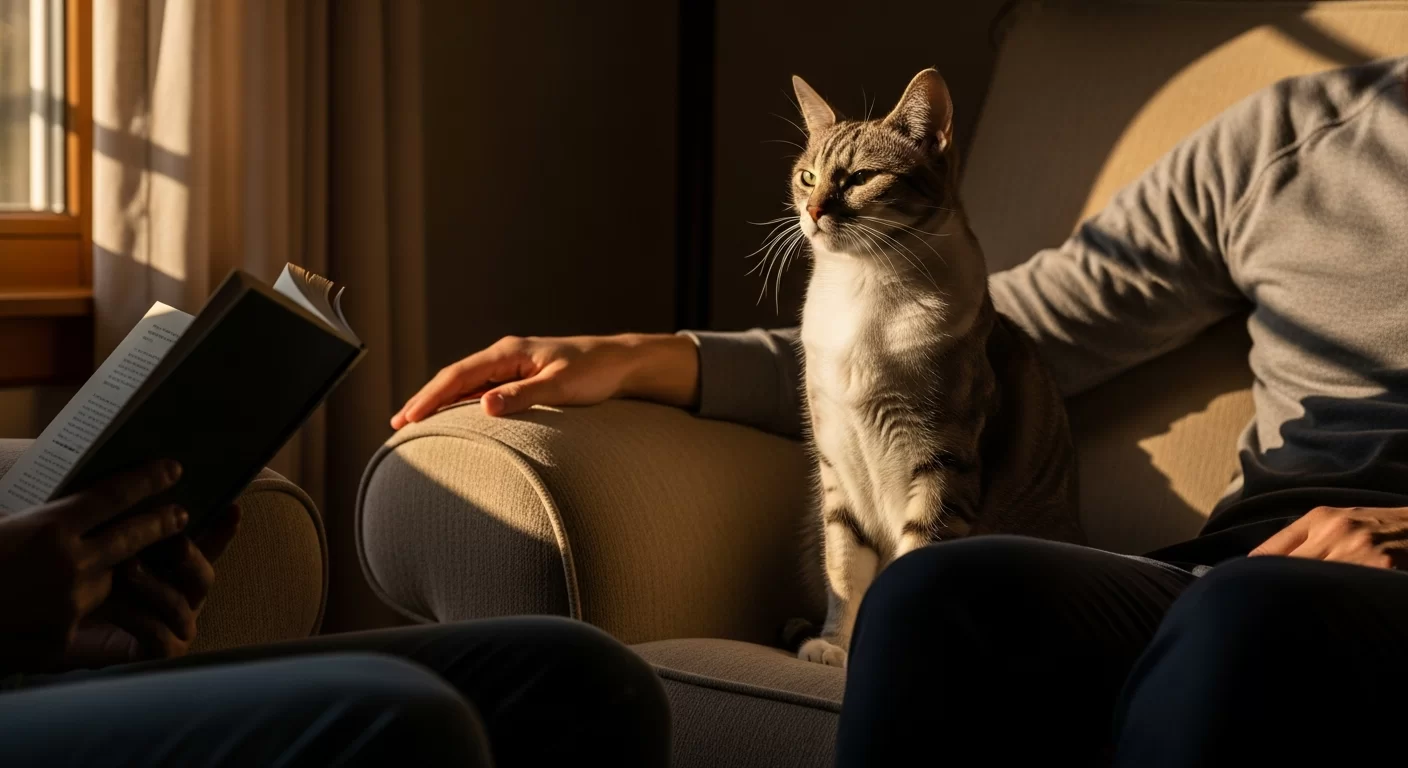
Many owners wonder, “Why does my cat sleep with their back turned against me?” In most cases, this is a positive sign. A cat’s back is a vulnerable area because the animal cannot easily watch what is happening behind them. When a cat sleeps with their back turned toward a person, it often means they feel safe enough not to monitor that person.
This behavior can mean several things:
- The cat trusts the person and does not see them as a threat.
- The cat is facing the room, doorway, or window to monitor the environment.
- The cat wants closeness without direct interaction.
- The cat is choosing a comfortable sleeping position rather than making a social statement.
- The cat feels bonded but prefers not to be petted while resting.
A sleeping cat with their back turned, relaxed ears, loose paws, and steady breathing is usually comfortable. However, if the cat is hunched, tense, hiding their face, or flinching when approached, the posture may reflect stress or a desire not to be disturbed.
The safest response is to respect the cat’s rest. Trust deepens when a cat learns that sleeping near a person does not always lead to unwanted handling.
Signs Your Cat Feels Safe in the Home
A cat likely feels safe at home when they:
- Eat and drink normally without rushing or hiding
- Use the litter box consistently
- Explore rooms with a relaxed posture
- Sleep in open areas rather than always hiding
- Use vertical spaces such as cat trees, shelves, or window perches
- Play with toys or chase interactive wands
- Groom regularly without overgrooming
- Approach familiar people voluntarily
- Recover reasonably quickly from mild surprises
A confident cat may still startle at loud noises or retreat when visitors arrive. Safety does not mean a cat is fearless. It means the cat has enough control over their environment to recover, return, and behave normally.
When “Trust” Behaviors May Actually Signal Stress
Some behaviors that look affectionate can sometimes have another meaning. Purring, for example, is commonly linked with contentment, but cats may also purr when anxious, injured, or unwell. Following a person everywhere can be social, but if it comes with constant vocalizing, clinginess, appetite changes, or distress when alone, it may point to anxiety or a medical issue.
Watch the full context. A behavior deserves closer attention if it appears suddenly or is paired with other changes.
Possible signs of stress or illness include:
- Hiding more than usual
- Loss of appetite or sudden increased hunger
- Urinating outside the litter box
- Aggression when touched
- Excessive grooming or bald patches
- Restlessness, pacing, or repeated yowling
- Withdrawal from favorite people or places
- Sudden change in sleep location
- Limping, stiffness, or reluctance to jump
A cat that suddenly avoids contact, growls when picked up, or stops sleeping in usual safe spots should be evaluated by a veterinarian. Behavior changes in cats are often linked to pain, dental disease, urinary problems, arthritis, gastrointestinal issues, or stress in the household.
How to Build Trust With a Cat Over Time
Trust with cats is earned through consistency, choice, and respect for boundaries. The fastest way to lose trust is to force interaction. The most reliable way to build it is to let the cat control the pace.
Helpful ways to build trust include:
- Let the cat approach first instead of reaching over them.
- Use slow blinks and soft eyes rather than direct staring.
- Offer a hand low and still for sniffing.
- Pet preferred areas, usually cheeks, chin, and the base of the ears.
- Stop petting before the cat becomes overstimulated.
- Keep feeding, play, and bedtime routines predictable.
- Provide hiding places and vertical resting spots.
- Use interactive play to build confidence.
- Avoid punishment, yelling, or forced restraint.
- Reward calm social behavior with treats, play, or gentle attention.
For shy cats, sitting nearby while reading or working can be more effective than trying to touch them. Trust often grows in the quiet spaces where nothing is demanded.
Kittens may bond quickly through play, feeding, and gentle handling. Adult cats, especially those from shelters, outdoor environments, or unstable homes, may need weeks or months to fully relax. Progress can look small: staying in the room, eating while someone is nearby, blinking softly, or choosing a perch closer than before.
What Long-Term Cat Trust Really Looks Like
Long-term trust is less about constant affection and more about emotional security. A cat that feels safe understands that their signals will be noticed. They can ask for attention, walk away, rest undisturbed, and return without pressure.
A deeply trusting cat may develop personal rituals: greeting one person at the door, sleeping beside a pillow, supervising work from a desk, or sitting with their back turned during movie night. These habits can look ordinary, but in feline behavior they are meaningful. Cats are selective about where they rest and whom they include in their daily patterns.
Trust can also change with age. Senior cats may become more affectionate, more vocal, or more selective about touch as their bodies change. Cats with arthritis may still want closeness but avoid laps because jumping hurts. A shift in affection does not always mean the bond has weakened; sometimes the cat needs comfort arranged differently.
The clearest sign of feline trust is choice. When a cat repeatedly chooses to be near a person, relaxes without guarding themselves, and behaves naturally in that person’s presence, the bond is already strong. Some cats express that trust with cuddles. Others express it by sleeping nearby, blinking slowly, or calmly turning their back because they know they are safe.